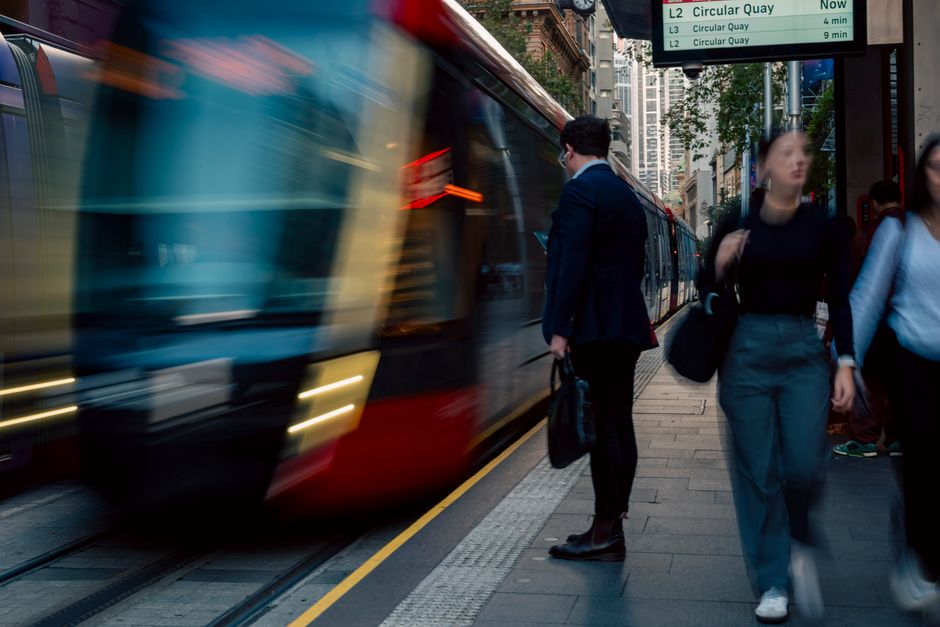
Sydney's digital transformation agenda is accelerating. The City of Sydney Council has flagged a $45 million smart infrastructure program spanning the next three years, with the first wave of deployments hitting Parramatta and the CBD from early 2027. Meanwhile, Transport NSW is quietly preparing the most significant overhaul of its ticketing and journey-planning systems since Opal's 2020 launch—a move that could reshape how millions navigate the metro daily.
The timing is significant. Global SaaS consolidation has turbocharged demand for integrated government platforms. Just yesterday, an Indian entrepreneur committed $30 million to build an AI-powered office suite as an alternative to Microsoft-dominated workflows. That same hunger for alternatives is now driving Australian public sector procurement decisions, with Sydney councils and state agencies exploring bespoke solutions rather than off-the-shelf enterprise tools.
Key projects entering development phase include a unified smart parking system across inner-city precincts from Wynyard to Darling Harbour, designed to cut average search times by 40 percent. The system will integrate real-time occupancy data, dynamic pricing, and EV charging integration. Trials begin in Q4 2026 with full rollout targeted for mid-2027.
Water management represents the second pillar. Sydney Water is architecting an AI-driven leak detection network for Sydney's aging pipe infrastructure—roughly 37 percent of supply is currently lost to leaks annually. Sensors will blanket priority areas including the Eastern Suburbs, Inner West, and Parramatta, with predictive analytics pinpointing failures before they occur. Budget allocation of $80 million has been confirmed through 2028.
Less visible but equally crucial: digital citizen platforms. The NSW Government Digital Service is building a federated identity system—a single digital login spanning health, transport, planning permits, and rates payments. Beta testing across Strathfield and Randwick councils kicks off in early 2027, with statewide availability by late 2027.
Energy resilience also features prominently. Ausgrid's distributed energy resource management platform, launching pilot phases in the Inner West and Northern Beaches, will coordinate household solar systems, battery storage, and grid demand in real time. This addresses Sydney's vulnerability to peak summer demand, which hit record highs last February.
The broader pattern reflects a pragmatic shift: rather than waiting for federal initiatives, Sydney's councils and utilities are building modular, interoperable systems designed to integrate with each other. It's a deliberate bet that distributed governance, powered by modern architecture, will outpace centralized monoliths. By mid-2027, residents may barely notice the change—that's the real measure of success.
This article was compiled by AI and screened before publishing. See our editorial standards.