Sydney startups face mounting risks beneath venture capital's golden promise
As capital floods into Pyrmont and beyond, founders and investors grapple with unsustainable valuations, founder burnout, and questions about whose interests really matter.
As capital floods into Pyrmont and beyond, founders and investors grapple with unsustainable valuations, founder burnout, and questions about whose interests really matter.
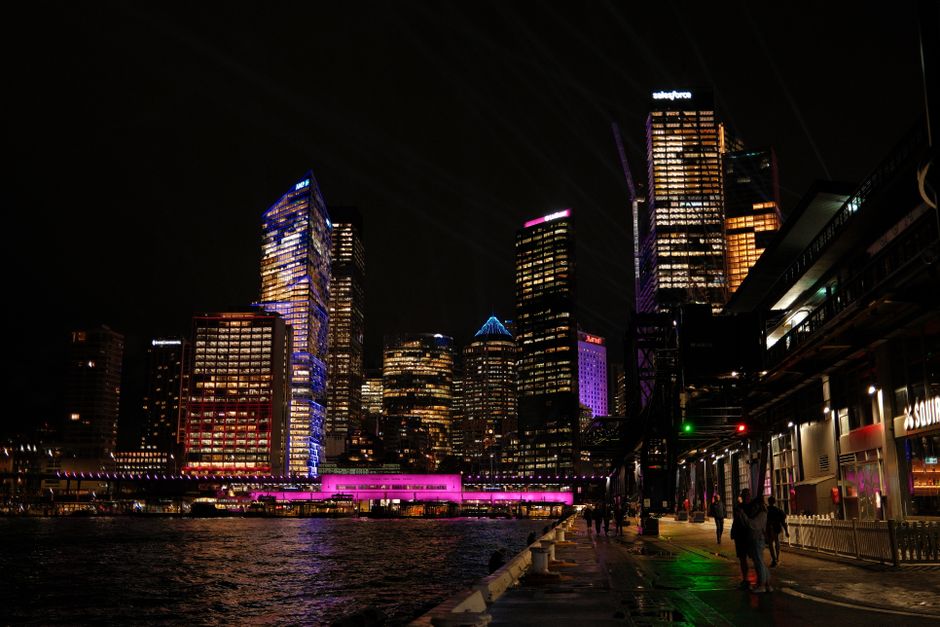
Walk through Pyrmont on any given Tuesday and you'll spot them: young founders hunched over laptops in laneway cafes, venture capitalists in tailored blazers heading to glass-fronted offices, pitch decks being rehearsed at every corner. Sydney's startup ecosystem has never looked more vibrant. Yet beneath the surface of this apparent prosperity lies a growing tension between the promises of venture capital and the real human costs of chasing exponential growth.
The numbers are undeniably impressive. Australian startups raised $3.9 billion in venture funding last year, with Sydney capturing a disproportionate share. Co-working spaces like WeWork in Barangaroo and independent hubs across inner west suburbs are bursting at capacity. But this influx of capital comes with uncomfortable questions few in the ecosystem want to discuss openly.
First, there's the valuation problem. Founders report intense pressure to grow at all costs, often leading to business models that prioritise user acquisition over profitability or genuine utility. When a Series B round requires hockey-stick growth projections, the incentive to make unsustainable promises becomes irresistible. Several Sydney startups that secured strong funding rounds in 2024 have since quietly laid off staff or pivoted dramatically—a pattern repeating across Australia's venture-backed sector.
Then there's founder wellbeing. Mental health struggles among startup founders are rampant but rarely discussed in public victory laps. The pressure to deliver returns to institutional investors, the isolation of leadership, the 24/7 demands of scaling—these create an environment where burnout isn't an anomaly but an expectation. Support services exist, but many founders don't access them, viewing vulnerability as weakness in a hypercompetitive landscape.
Equally troubling are the ethical blind spots. Which startups get funded often reflects the networks and biases of venture partners—predominantly male, educated at elite universities, often with family wealth. Sydney's startup scene is gradually diversifying, but founders from non-traditional backgrounds still report facing scepticism from investors steeped in conventional thinking. This creates a vicious cycle where capital flows to founders who look and think like previous winners.
There's also the question of what gets built. When venture capital optimises for scale and exit potential, less fundable ideas—those addressing niche community needs or operating on cooperative models—struggle to survive. Sydney's tech scene becomes narrower, not broader, despite appearances of explosive growth.
None of this suggests venture capital is inherently destructive. Rather, Sydney's ecosystem needs honest conversation about the trade-offs. That means founders, investors, and operators acknowledging that not every startup needs to become a unicorn, and that sustainable business building—even if slower—might ultimately create more value than another venture-fuelled crash.
The question isn't whether Sydney should have a thriving startup scene. It's whether that scene can mature beyond the fantasy of infinite growth.
This article was compiled by AI and screened before publishing. See our editorial standards.
How does this story make you feel?
Spread the word
About this article
Published by The Daily Sydney
Daily brief
Free, in your inbox before 7am. Weekdays.
More in tech