Sydney's Tech Boom Reveals Cybersecurity's Hidden Cost to Privacy
As the city's tech sector booms, security firms and privacy advocates grapple with the uncomfortable truth that protecting data often means sacrificing freedom.
As the city's tech sector booms, security firms and privacy advocates grapple with the uncomfortable truth that protecting data often means sacrificing freedom.
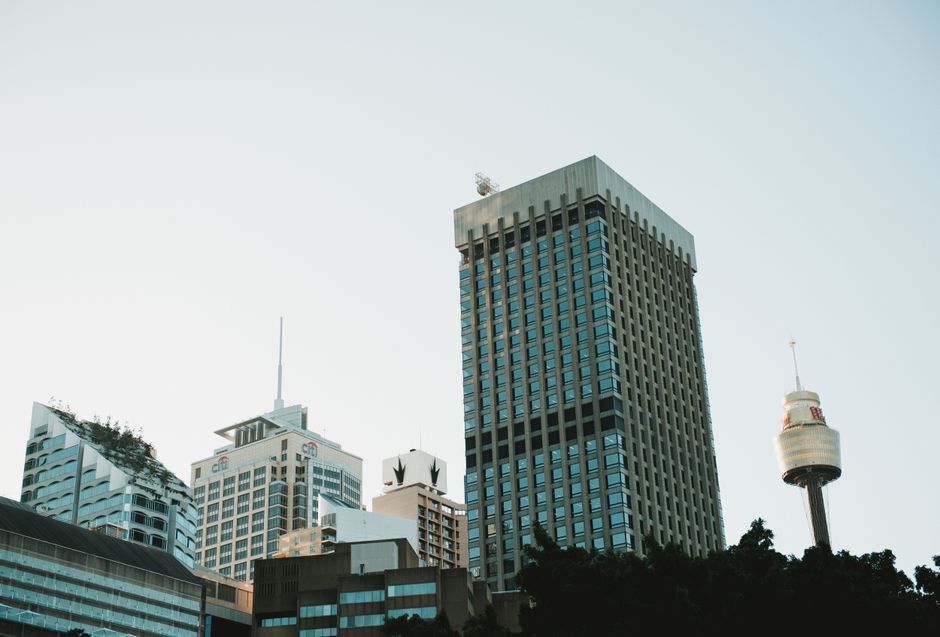
Walk into any café in Barangaroo or Pyrmont these days and you'll find startup founders pitching cybersecurity solutions as though they're selling salvation. The Australian cybersecurity market is projected to reach $4.2 billion by 2027, driven by rising breach costs and regulatory pressure. Yet behind the venture capital enthusiasm lies a thornier question: at what point does security become surveillance?
Sydney's thriving fintech and health-tech clusters—concentrated around the CBD and Macquarie Park—have become prime targets for attackers. Last year, Australian organisations reported an average breach cost of $2.97 million, according to industry data. The response has been predictable: more monitoring, more authentication layers, more data collection in the name of protection. But security researcher communities, particularly those gathered around venues like The Cutaway in Barangaroo during industry meetups, are increasingly vocal about the trade-offs.
Consider the ethical minefield facing enterprise software makers. An Indian tech entrepreneur's recent $30 million bet on an AI-powered office alternative highlights how deeply security concerns now shape product design. Yet the more sophisticated these systems become—learning user behaviour, predicting threats, automating responses—the more invasive they necessarily are. A Sydney-based compliance officer at a major bank described it bluntly: "We're essentially choosing between being hacked or being watched."
The regulatory landscape compounds the problem. Compliance with frameworks like the Privacy Act and emerging state-based cyber security obligations means organisations must collect and retain more data than ever before. This creates new vulnerability surfaces. A 2026 audit of 50 mid-sized Sydney firms found that 68 percent were storing sensitive customer information they could have legally discarded, simply because their security protocols demanded comprehensive logging.
What's missing from most cybersecurity conversations is honest talk about this paradox. Marketing departments in tech precincts from Surry Hills to Ultimo are selling zero-trust architecture and AI threat detection as pure wins. Rarely do they acknowledge that comprehensive digital safety often requires surrendering digital privacy.
The challenge facing Sydney's regulatory bodies and industry leaders is whether we can develop security frameworks that don't demand total transparency as the price of protection. Until that conversation happens openly—not in closed board meetings but in public forums—the city's booming cybersecurity sector will keep solving one problem while quietly creating another.
This article was compiled by AI and screened before publishing. See our editorial standards.
How does this story make you feel?
Spread the word
About this article
Published by The Daily Sydney
Daily brief
Free, in your inbox before 7am. Weekdays.
More in tech