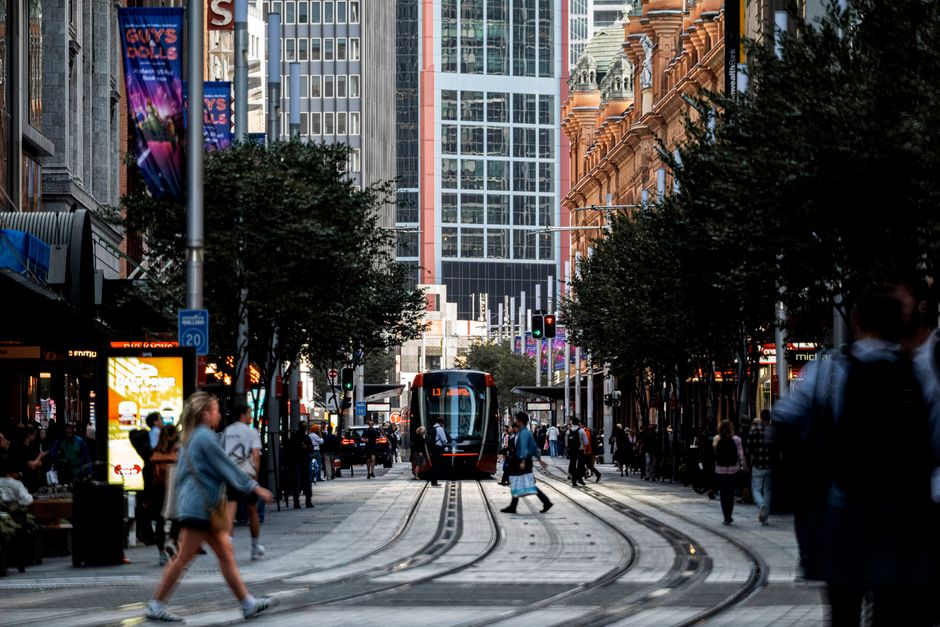
Sydney's transformation into a truly smart city is accelerating, with several major digital infrastructure projects lined up over the next 18 months that will reshape everything from transport management to public safety coordination across the Harbour City.
The City of Sydney council has signalled its intention to roll out an integrated data platform across key precincts including the CBD, Parramatta, and inner-west corridors by late 2027. This system will consolidate real-time information from traffic sensors, air quality monitors, and energy grids—creating a unified dashboard for urban planners and emergency services. Early pilots in the George Street precinct and around Central Station have demonstrated potential for reducing congestion by up to 18 percent.
Meanwhile, Transport NSW is developing a next-generation mobility hub system that will debut in the inner-west by Q1 2027. The initiative promises seamless integration between buses, trains, light rail, and micro-mobility services, allowing commuters to plan journeys across all modes within a single app. The Parramatta to Westmead corridor has been selected as the proving ground for this technology.
NSW Health has also committed $45 million to digitise emergency response coordination across metropolitan hospitals and ambulance services. This platform, expected to launch in stages from September 2026, will enable faster triage and resource allocation during peak demand periods.
The convergence of these projects mirrors a broader global trend: governments are investing heavily in the kind of integrated digital infrastructure that private tech companies have been building for enterprise clients. Just as emerging competitors are challenging the dominance of legacy software providers in the productivity space, cities worldwide are recognising that off-the-shelf solutions no longer meet their complex operational needs.
For Sydney specifically, the timing is strategic. The city hosts major events including the 2027 Asian Games preparations, and officials believe smarter infrastructure management will be essential for handling crowds and logistics at scale. The total government investment in these smart city initiatives over the next two years is estimated at $180 million across state and local authorities.
Industry observers note that success will depend on interoperability—ensuring data flows seamlessly between legacy systems maintained by different agencies. Several local tech firms, including startups based in the Barangaroo precinct, are positioning themselves as integration specialists to bridge these gaps.
The projects represent a critical inflection point: Sydney is moving beyond pilot projects into genuine system-wide transformation. By 2028, the city's digital nervous system should be substantially more integrated than it is today.
This article was compiled by AI and screened before publishing. See our editorial standards.