Sydney's coworking sector is experiencing unprecedented growth, driven by a wave of venture capital investment that's transforming how professionals approach their working lives. The trend reflects a fundamental shift in how cities—and investors—view real estate and labour flexibility in the post-pandemic era.
Major players are establishing significant footholds across Sydney's prime business districts. Spaces in Barangaroo, Parramatta, and the emerging tech hubs around Alexandria and Ultimo are attracting institutional backing as operators recognise the city's appeal to both established companies and startups. The average desk membership in Sydney's premium coworking spaces now ranges from $400 to $600 monthly, with enterprise packages pushing into the tens of thousands, reflecting the premium placed on location and amenities.
The investment narrative centres on a simple thesis: traditional corporate real estate is becoming obsolete. Rather than locking companies into long-term CBD leases—increasingly difficult to justify when hybrid work is standard—flexible workspace providers offer scalability. For venture-backed growth companies relocating to or expanding in Sydney, this model reduces financial risk during uncertain scaling phases. Several funding rounds announced across 2025 and 2026 indicate major VCs are betting heavily on this structural change persisting.
Sydney's property market dynamics make this particularly compelling. With CBD office vacancy rates fluctuating and landlords struggling with reduced demand from traditional tenants, coworking operators are negotiating favourable bulk-lease agreements, then subdividing and re-leasing at premium rates to smaller operators and independent professionals. This arbitrage—combined with the sticky revenue from membership fees—creates attractive unit economics for investors.
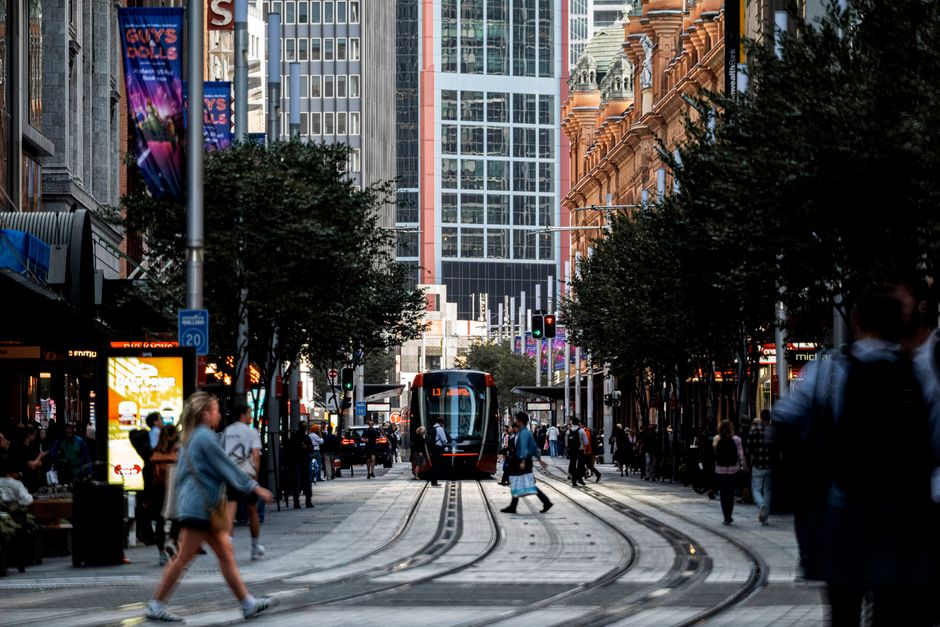
The growth extends beyond Pitt Street and Martin Place. Neighbourhood coworking in Surry Hills, Newtown, and the inner west is capturing remote workers seeking to avoid CBD commutes entirely. These secondary locations offer lower overhead costs and appeal to creative industries, freelancers, and distributed teams, creating a diverse tenant base that reduces revenue volatility.
What distinguishes today's coworking wave from earlier iterations is the emphasis on profitability and unit economics rather than aggressive expansion at any cost. Investors are scrutinising member retention rates, average revenue per desk, and community engagement metrics—the operational fundamentals that determine long-term viability.
For Sydney, this investment surge signals confidence in the city's position as a regional tech and professional services hub. As global capital continues flowing into flexible work infrastructure, the question isn't whether remote work will persist, but which operators—and which neighbourhoods—will capture the most value from this structural economic shift.
This article was compiled by AI and screened before publishing. See our editorial standards.