Sydney Startups Build Digital Infrastructure for City Councils' Digital Transformation
From Barangaroo to Parramatta, a new wave of govtech entrepreneurs is building the digital infrastructure that will reshape how Australia's largest city operates.
From Barangaroo to Parramatta, a new wave of govtech entrepreneurs is building the digital infrastructure that will reshape how Australia's largest city operates.
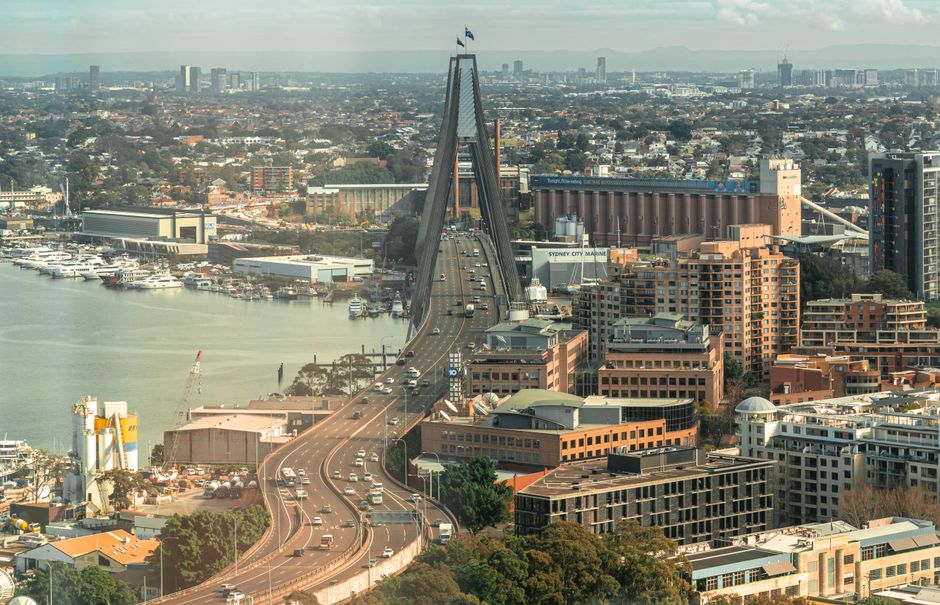
Sydney's tech ecosystem is experiencing a quiet but significant shift toward government technology, driven by a convergence of council digitisation mandates, federal funding incentives, and frustrated entrepreneurs tired of chasing venture capital in oversaturated consumer markets.
The catalyst is real. City of Sydney has committed $50 million to smart city infrastructure over the next decade, while Parramatta City Council—increasingly positioning itself as a secondary tech hub—has launched its own digital innovation program. Western Sydney councils are investing heavily in traffic management systems, waste optimisation, and public space monitoring. For startups, this represents a rare window: governments with budgets, multi-year contracts, and genuine problems to solve.
Spaces like The Bower in Redfern and Stone & Chalk in Barangaroo are already hosting clusters of govtech founders. A handful of Sydney-based startups have recently secured council pilots for everything from intelligent parking solutions to citizen engagement platforms. The prize pool is substantial—city councils across NSW collectively control hundreds of millions in annual spending.
"The SaaS market is oversaturated, valuations are compressed, and everyone's chasing the same venture capital," explains one Surry Hills-based founder who recently pivoted from B2C fintech to a local government permitting platform. "Government contracts are slower, yes. But they're also more predictable, larger, and you're solving problems that matter at scale."
This mirrors global trends. The Indian tech entrepreneur who recently committed $30 million to building an AI-powered alternative to Microsoft Office, or the Italian software company Bending Spoons that surged 40 percent on its stock market debut, both recognised an essential insight: enterprise and institutional software remains deeply underserved, even in markets dominated by American incumbents.
Sydney's advantage is geographic and structural. The city hosts major corporate headquarters, government agencies, and universities—anchors that create demand. Property tech, infrastructure optimisation, and citizen data platforms developed here can scale across Australia's other councils, then export internationally to similar commonwealth nations.
The infrastructure is nascent but accelerating. Grant programs through Business NSW and local councils increasingly prioritise govtech. Universities like UNSW and University of Sydney are embedding government technology into curricula. And perhaps most importantly, the shame of Australia's government software—notoriously outdated, frequently broken—has created political will for change.
By mid-2027, Sydney's smart city startup cohort could look very different. The question isn't whether government technology is the next wave. For Sydney's founders, it's whether they'll be ready to catch it.
This article was compiled by AI and screened before publishing. See our editorial standards.
How does this story make you feel?
Spread the word
About this article
Published by The Daily Sydney
Daily brief
Free, in your inbox before 7am. Weekdays.
More in tech