Coworking Spaces Sydney: $2B VC Boom
Venture capital is flooding Sydney's coworking market. Explore how flexible workspace hubs in Parramatta, Bondi, and inner-west suburbs are reshaping remote work across the city.
Venture capital is flooding Sydney's coworking market. Explore how flexible workspace hubs in Parramatta, Bondi, and inner-west suburbs are reshaping remote work across the city.
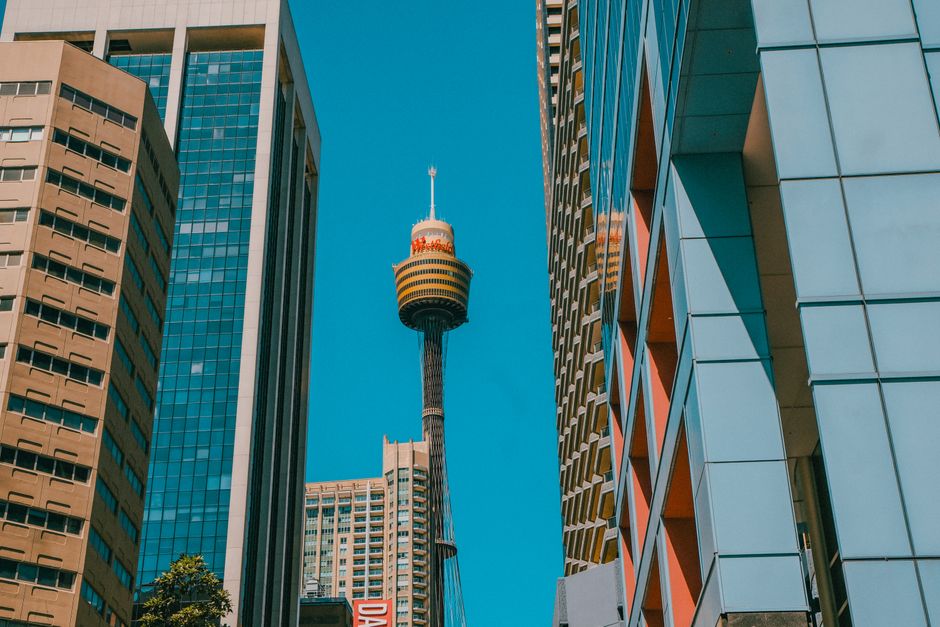
Sydney's sprawling geography has always made commuting a labour of love—or perhaps a daily trial. But over the past two years, venture-backed coworking operators have seized on this pain point, injecting hundreds of millions into the flexible workspace market across the city, fundamentally reshaping how and where Sydneysiders work.
The trend reflects a broader global recalibration. International coworking giants have aggressively expanded into secondary locations beyond Barangaroo and North Sydney, opening micro-hubs in Parramatta, Bondi Junction, and inner-west suburbs like Marrickville and Enmore. Meanwhile, locally-founded operators have secured substantial rounds of institutional funding, betting that the future of work is distributed, not centralised.
Data from commercial real estate analysts suggests flexible workspace now accounts for roughly 8-12 per cent of Sydney's office market—up from just 2-3 per cent five years ago. That shift has attracted serious capital: between 2024 and 2026, more than $2 billion in venture funding flowed into the Asia-Pacific flexible workspace sector, with Sydney claiming a meaningful slice.
The economics are compelling for investors. Unlike traditional landlords locked into long-term leases, coworking operators can rapidly reconfigure spaces, pivot pricing models, and respond to neighbourhood demand patterns. A mid-sized operator managing three locations across the city might generate $3-5 million in annual recurring revenue while maintaining 40-60 per cent gross margins.
The competitive intensity is palpable. While established players maintain flagship locations in premium zones, newer entrants are targeting underutilised commercial pockets—converting warehouse space in Alexandria, leasing second-tier office buildings along Cleveland Street in Surry Hills, and snapping up subleases in Strathfield as the CBD's grip on knowledge workers weakens.
What's driving investor appetite? Three factors converge. First, the normalisation of hybrid and remote arrangements has created persistent demand for flexible workspace beyond any single employer's needs. Second, commercial property owners desperate to fill vacant stock are willing to negotiate favourable terms. Third, software-as-a-service integrations—booking platforms, access control, community management—have dramatically improved unit economics and customer stickiness.
The question now is sustainability. Several well-funded operators have already encountered headwinds as post-pandemic office return dynamics stabilise. Yet the fundamental thesis persists: Sydney's decentralised workforce and expensive inner-city commutes mean distributed working infrastructure will remain attractive to both employers and employees alike. For venture investors betting on the future of work, that narrative continues to justify the cheques they're writing.
This article was compiled by AI and screened before publishing. See our editorial standards.
How does this story make you feel?
Spread the word
About this article
Published by The Daily Sydney
Daily brief
Free, in your inbox before 7am. Weekdays.
More in tech