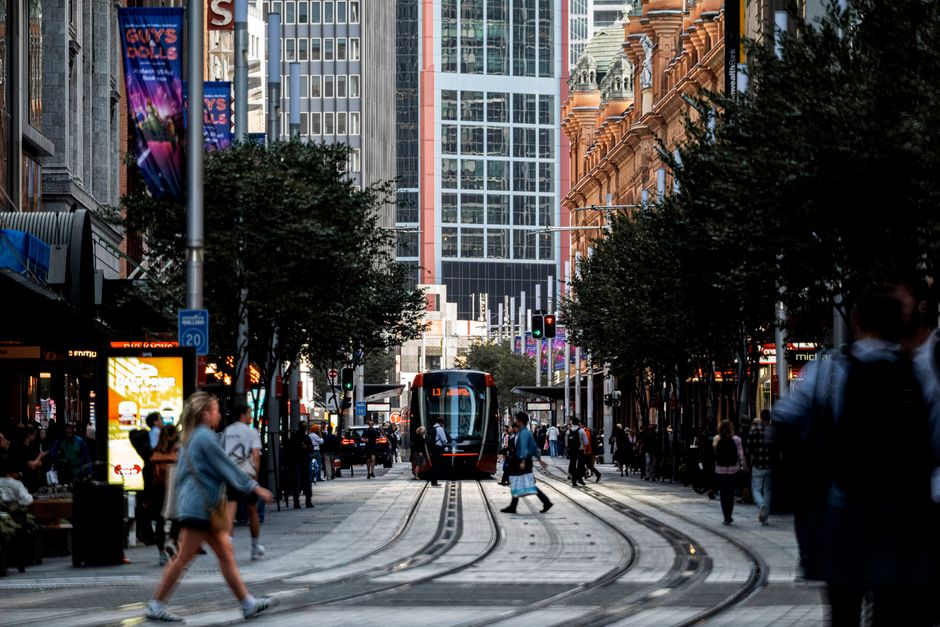
Walk through Barangaroo Reserve on any given afternoon and you'll see the future Sydney wants to build: solar panels glinting off waterfront developments, electric vehicles humming through the precinct, and sustainability credentials plastered across every new office tower. But behind this gleaming vision sits a messier reality that the city's tech and green energy sectors are only beginning to grapple with.
The numbers tell a compelling story. New South Wales has committed to net-zero emissions by 2050, and Sydney's property developers are racing to meet stricter building codes that mandate renewable energy integration. Yet the environmental cost of manufacturing the technologies underpinning this transition—lithium extraction for batteries, rare earth minerals for solar panels, and the energy-intensive production of electric vehicle components—remains largely invisible to consumers making purchasing decisions in Surry Hills and the Eastern Suburbs.
"We're solving one problem by creating another," says the sustainability sector more quietly than its marketing materials suggest. Battery production alone generates significant carbon emissions and water consumption in source countries like Argentina and Chile. Meanwhile, Sydney's recycling infrastructure for end-of-life solar panels and EV batteries remains underdeveloped, with most waste currently exported offshore.
The ethical dimensions compound the technical challenges. Green energy projects frequently depend on supply chains with poor labour standards. When a startup in Ultimo launches an "eco-friendly" product, few consumers ask where cobalt was mined or under what conditions. The gap between sustainability marketing and actual environmental accounting has become a feature of Sydney's tech scene, not a bug.
Then there's the equity problem. While affluent suburbs can afford rooftop solar—with systems in areas like Mosman costing $8,000-$12,000 even with subsidies—renters and lower-income communities in western Sydney bear disproportionate exposure to energy poverty and pollution. Green technology adoption risks becoming another vector for widening inequality across the city.
Industry watchers say Sydney needs harder conversations. Real sustainability requires transparency about supply chains, investment in local recycling infrastructure, and regulatory frameworks that penalise greenwashing. The International Energy Agency has warned that clean energy transitions create new vulnerabilities if not carefully managed.
The good news: Sydney has the expertise and resources to do this differently. But it requires moving past the assumption that newer and greener automatically means better. For a city positioning itself as a global sustainability leader, the harder work—the unglamorous auditing, the uncomfortable questions about who benefits and who pays—may ultimately matter more than the solar panels themselves.
This article was compiled by AI and screened before publishing. See our editorial standards.