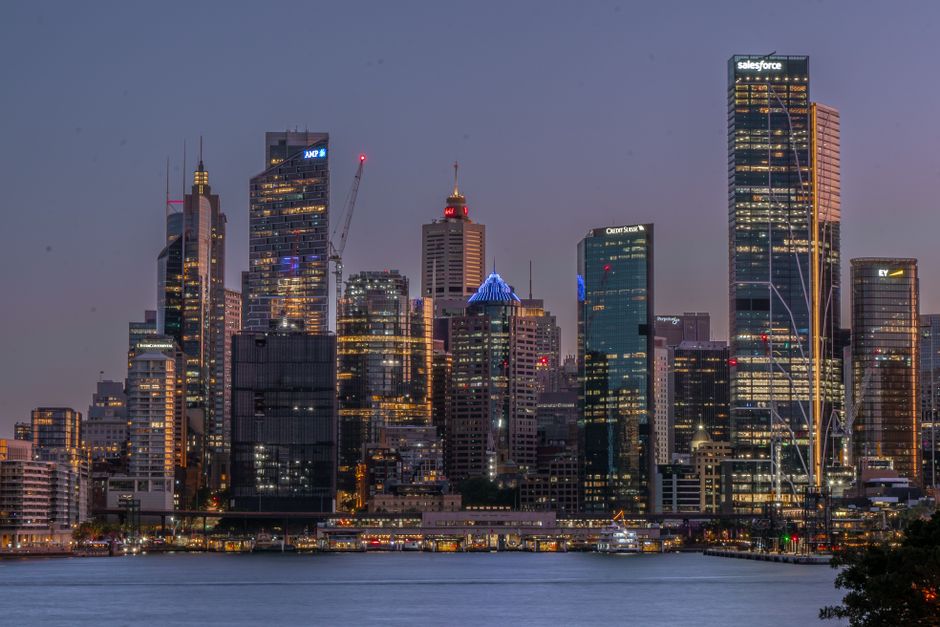
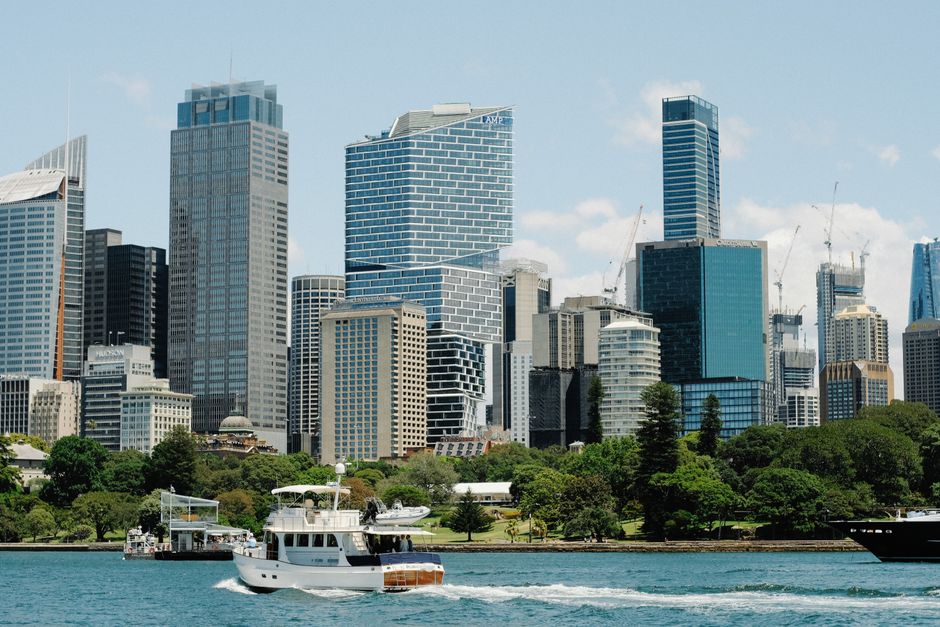
Sydney's clean energy technology sector crossed a threshold this week that few saw coming a decade ago: the city now hosts more than 340 active green-tech startups, according to figures released Thursday by the NSW Department of Climate Change, Energy, the Environment and Water. That puts it ahead of Singapore and on par with Stockholm in absolute startup count — a comparison that would have seemed absurd in 2018, when the sector barely registered 80 companies.
The timing matters. Globally, the conversation about decarbonisation has shifted from policy aspiration to commercial urgency. The International Energy Agency's mid-year outlook, published in May, flagged that grid-scale battery storage deployment needs to triple by 2030 to hit net-zero targets. Sydney's ecosystem, unusually, sits at the intersection of three things most green-tech hubs lack simultaneously: deep university research pipelines, proximity to Asia-Pacific manufacturing partners, and a domestic construction boom that gives hardware startups a live proving ground.
The Pyrmont-Ultimo Belt Is Doing the Heavy Lifting
Walk along Harris Street in Ultimo on any Tuesday morning and you will find the offices of at least a dozen companies working on problems from rooftop solar optimisation to green hydrogen logistics. The Tech Central precinct, which the NSW Government officially designated in 2022 and has been expanding ever since, now anchors roughly 60 climate-tech firms within a 1.5-kilometre radius of Central Station. The University of Technology Sydney's climate innovation lab on Broadway feeds a steady stream of PhD graduates directly into that corridor.
Across the water at the Australian Technology Park in Eveleigh, Nexgen Energy Storage — one of the sector's more closely watched local players — has been running pilot tests on its sodium-ion battery cells since February. The company is targeting grid-scale deployments in Western Sydney's industrial belt, where warehouse operators are under state government pressure to cut Scope 2 emissions 30 percent by 2028. Nexgen is not alone: six other battery or energy-management companies share ATP's main building, creating an informal cluster that executives at the site describe as deliberate policy rather than coincidence.
CSIRO's energy storage research division, headquartered at its Lindfield campus on the North Shore, published results in March showing a 22 percent improvement in round-trip efficiency for its flow-battery prototype compared to 2024 benchmarks. That kind of incremental gain might sound modest, but at grid scale it translates to hundreds of millions of dollars in avoided infrastructure spending. The division has three commercial licensing agreements under negotiation with overseas manufacturers, according to documents tabled at a Senate estimates hearing in May.
Federal Money Has Changed the Calculus
The Albanese government's $2 billion Hydrogen Headstart program, now in its second funding round, has steered $340 million toward New South Wales projects since January 2025. A significant share has landed with Sydney-based firms rather than the Hunter Valley heavy industry corridor that initially dominated early grants. That geographic spread was intentional: the program's 2025 guidelines explicitly prioritised urban application pilots, acknowledging that green hydrogen's commercial future depends on cracking last-kilometre logistics in dense city environments — exactly the kind of problem that Sydney's startup community is structured to tackle.
The city's position on UTC+10 also gives it a structural advantage that rarely gets written about. Sydney engineers can hold morning calls with Tokyo and afternoon calls with Dubai in the same working day, making it a natural coordination hub for Asia-Pacific clean energy supply chains. Several firms along the Pyrmont waterfront have leveraged that time-zone sweet spot to win integration contracts that competitors in Berlin or San Francisco simply could not service efficiently.
For anyone watching where to place bets on the next wave of climate-tech commercialisation, the practical advice is straightforward: watch the Tech Central precinct's lease vacancy rates. When they tighten — and right now they sit below four percent — it signals that serious capital is moving in. The NSW government's next Infrastructure Statement, due in September, is expected to announce an expanded precinct boundary that would absorb parts of Chippendale. That expansion, if confirmed, would add roughly 18,000 square metres of purpose-built innovation space to one of the world's more productive green-tech zip codes.