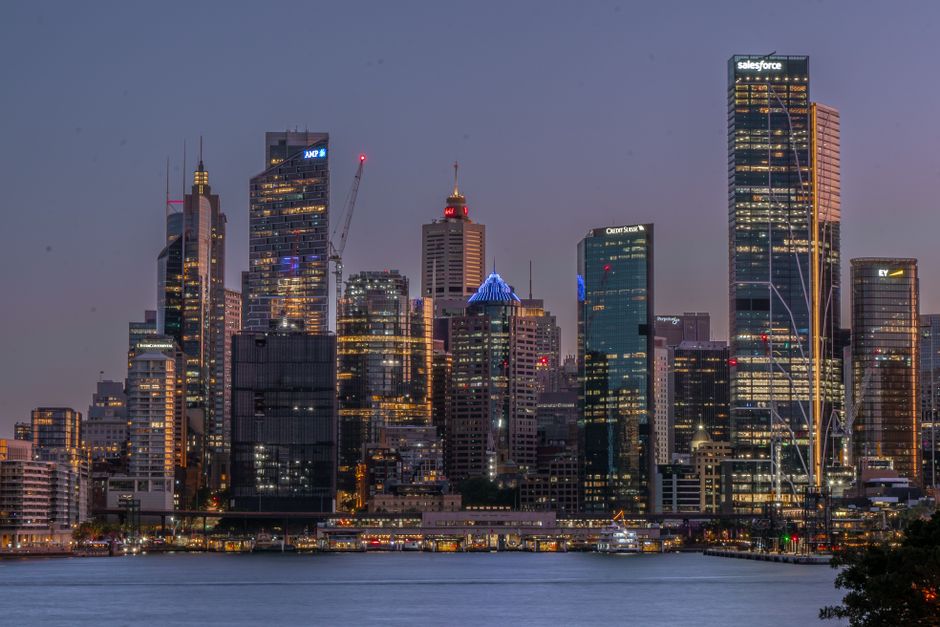
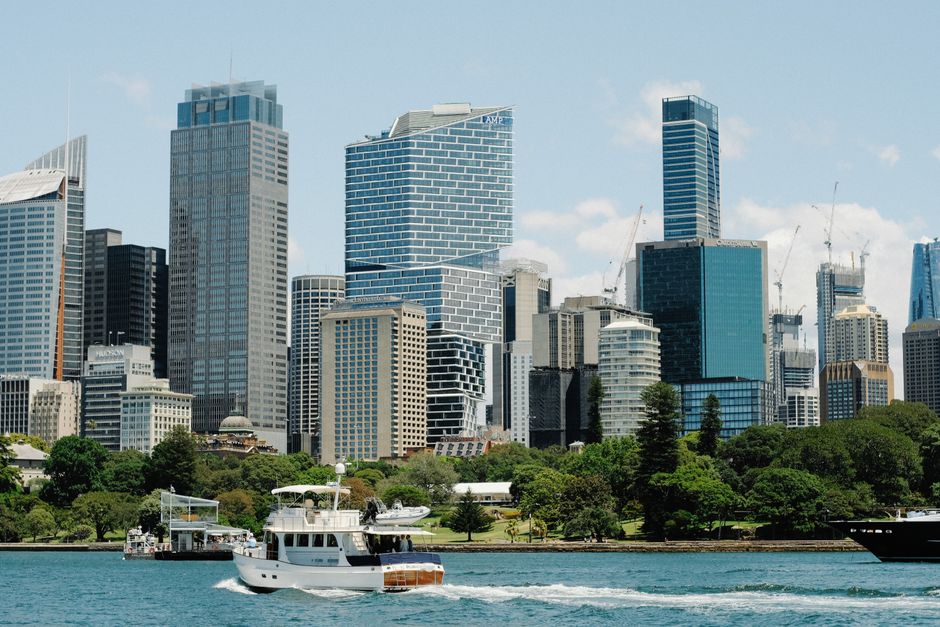
Sydneysiders are running into AI whether they asked for it or not. The technology is embedded in the queuing system at the new bulk-billing clinic on Church Street, Parramatta, in the inventory software behind the counter at independent grocers in Surry Hills, and in the triage chatbot that greets patients calling St Vincent's Hospital in Darlinghurst before a human nurse picks up. The rollout has been quiet, uneven, and fast.
The timing matters. Globally, the vocabulary around AI has become so cluttered — hallucinations, agents, large language models, inference costs — that most people have tuned it out as tech-industry noise. But the practical applications have matured enough in 2026 that businesses are no longer piloting them. They are paying for them on monthly subscriptions and building customer-facing workflows around them. Sydney, with its high concentration of professional services, healthcare, and hospitality, is feeling that shift earlier and harder than most Australian cities.
On the Ground: Suburbs Where the Change Is Visible
Walk into Grounds of Alexandria on any weekday morning and the wait-time estimate displayed near the entrance is generated by a demand-forecasting model, not a staff guess. The venue — one of the Inner West's busiest food destinations on Bourke Road — began using predictive scheduling software in February this year, cutting food waste by what management has described internally as a "significant double-digit percentage." Similar systems have turned up at smaller operators. A cluster of independent retailers along King Street, Newtown, have adopted AI-assisted stock management tools through the New South Wales Small Business Commission's DigiBoost voucher program, which offers eligible businesses up to $2,500 toward approved digital tools, AI software included.
The healthcare picture is more complicated. Clinics affiliated with Primary Health Network Sydney — which covers around 1.5 million residents across the metro area — have been trialling AI-assisted referral triage since late 2025. The system reads GP referral letters, flags urgency levels, and suggests specialist categories. Clinicians retain final say, but waiting-room coordinators say administrative time per referral has dropped by roughly 40 percent at participating sites. That efficiency gain is real. The concern, voiced by patient advocates at the Sydney Health Justice Partnership based at the University of Technology Sydney, is that automated triage could disadvantage patients whose written referrals don't accurately capture their circumstances — an issue that falls hardest on people with limited English literacy.
What the Numbers Actually Show
A survey of 620 Sydney small-business owners conducted by the Committee for Sydney and released in May 2026 found that 54 percent had adopted at least one AI-powered tool in the previous 12 months, up from 29 percent in the same survey period in 2024. The most common applications were customer service chatbots, accounting automation, and marketing copy generation. Average monthly spend on AI subscriptions among adopters was $340 — modest enough that many owners described it as simply replacing older software rather than adding a new cost line.
Transport for NSW has also accelerated its deployment of AI-driven crowd modelling across the T1 and T2 rail lines, using sensor data and historical patterns to adjust real-time service frequency suggestions to drivers. The agency confirmed the program covers 23 stations as of June 2026, with a planned expansion to 60 by December.
For residents, the practical upshot is a city that is incrementally more responsive in some places and harder to appeal to in others. The café that gets your order right more often is a win. The hospital triage system that misreads a referral is something else entirely. The NSW Government's AI Assurance Framework, published in March 2026, requires public-sector agencies to conduct bias audits on automated decision tools — but that obligation doesn't extend to the private healthcare providers and small businesses where most of the day-to-day encounters are actually happening. Sydneysiders would be well served by asking the businesses they use regularly exactly what AI is touching their data, and what the human override looks like when the system gets it wrong.