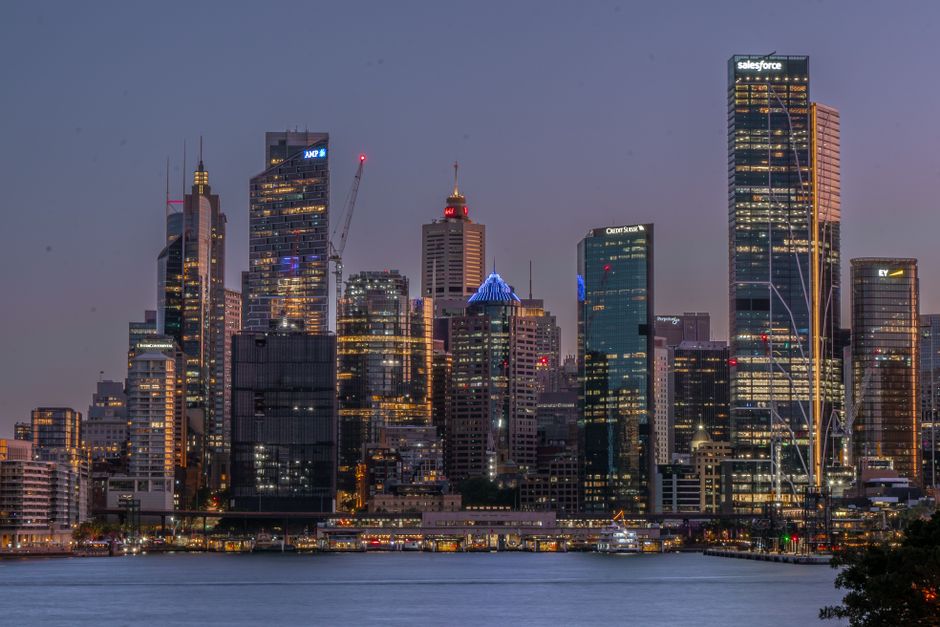
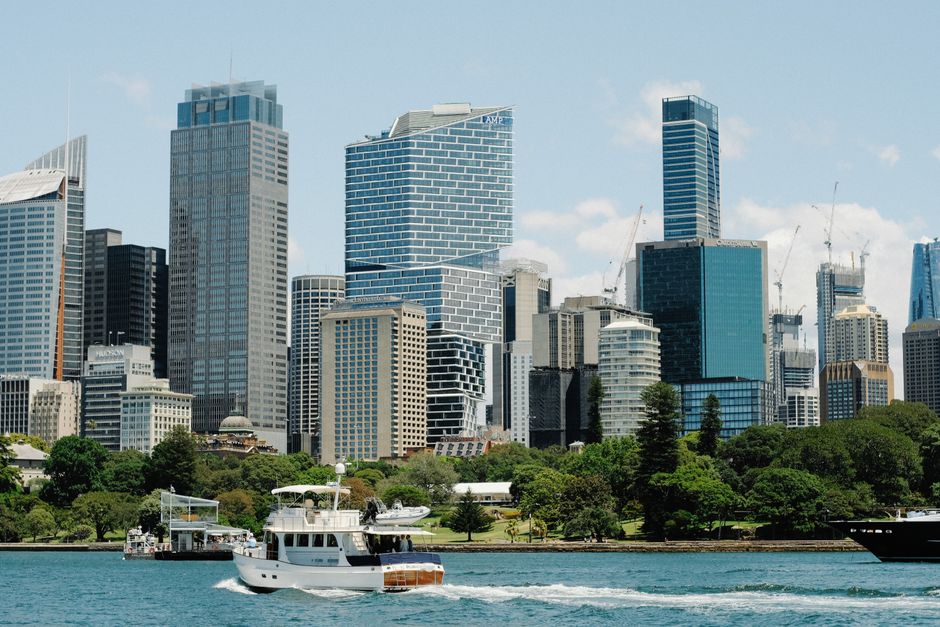
Sydney-based clean energy companies raised a combined $AU 1.4 billion in venture and government-backed funding in the twelve months to June 2026 — a figure that, per capita, outpaces Berlin, Toronto and Singapore. The number comes from the Clean Energy Finance Corporation's mid-year portfolio update, released last week, and it has rattled a few assumptions about where the real green-tech action is happening globally.
The timing matters. Australia's federal Capacity Investment Scheme, which guarantees revenue floors for new renewable projects, entered its third and most aggressive funding round in May 2026. That policy certainty has acted like rocket fuel for founders who previously spent half their pitch decks explaining why they were basing themselves here rather than in San Francisco or London. They no longer have to.
The Hotspots Driving the Difference
Walk through Eveleigh — the former railway yards south of Redfern that now house the ATP Innovations precinct — on any given Tuesday and you will find engineers arguing over battery degradation curves in shared kitchens. ATP Innovations, which has incubated more than 100 deep-tech companies since reopening the precinct in 2015, has deliberately weighted its intake toward grid-edge technology and green hydrogen over the past two years. Roughly 30 of its current cohort sit in the clean energy category.
A few kilometres north, the University of Sydney's Warren Centre for Advanced Engineering on City Road has been running its Sustainable Energy Research Initiative since 2023, connecting PhD candidates directly with commercialisation pathways through a formal industry-placement program. Students there have filed 14 patents in the past 18 months, several related to perovskite solar cell manufacturing processes — the next-generation photovoltaic technology that researchers believe could cut panel production costs by 40 percent within a decade.
What makes the Sydney cluster genuinely unusual is the physical proximity of deep academic research, federal financing infrastructure and an unusually well-capitalised pool of superannuation money looking for long-dated infrastructure assets. The $AU 3.3 trillion sitting in Australia's compulsory super system is not an accident of geography — it is a structural feature that gives local green-tech companies access to patient capital that startups in most other cities can only dream about. AustralianSuper alone disclosed in its March 2026 quarterly report that it had allocated $AU 6.8 billion to energy transition assets, with a strong domestic bias.
What Sets Sydney Apart From Other Green-Tech Hubs
Other cities have ambition. Sydney has specificity. The New South Wales government's $AU 32 billion Electricity Infrastructure Roadmap, which kicked off in earnest in 2023, created an immediate commercial pipeline that didn't exist in comparable form anywhere else in the Asia-Pacific. Founders building grid-balancing software or offshore wind supply-chain tools do not need to manufacture a market — the market is written into state legislation, with tender schedules published years in advance.
That certainty has attracted foreign capital rather than scaring it off. Swedish battery storage firm Northvolt opened an Asia-Pacific commercial office in Barangaroo in February 2026, citing the roadmap's visibility as the primary reason for choosing Sydney over Melbourne or Auckland. Several European clean-tech funds have followed, setting up scouting operations in the same Barangaroo tower precinct.
The practical implication for founders elsewhere watching this unfold: the window for establishing a footprint in Sydney's green-tech scene is probably narrower than it looks. The ATP Innovations next cohort intake closes in September 2026. The Warren Centre's industry-placement program accepts applications from offshore corporate partners on a rolling basis but fills its eight annual slots quickly. And the Capacity Investment Scheme's third round will not stay open indefinitely — the Department of Climate Change, Energy, the Environment and Water has flagged a December 2026 deadline for expressions of interest. Founders and investors who have been treating Sydney as a future consideration may want to move that conversation to this quarter.