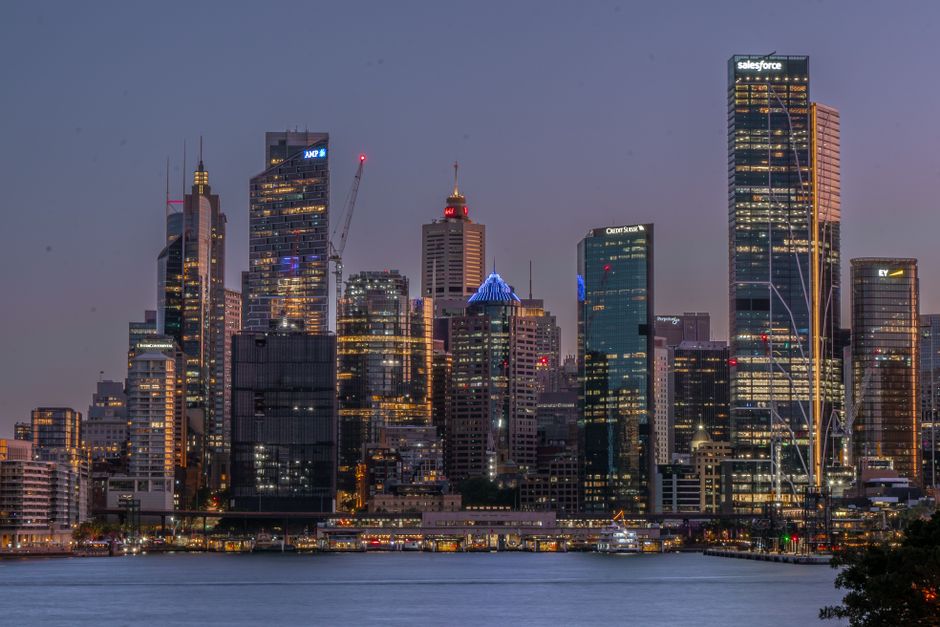
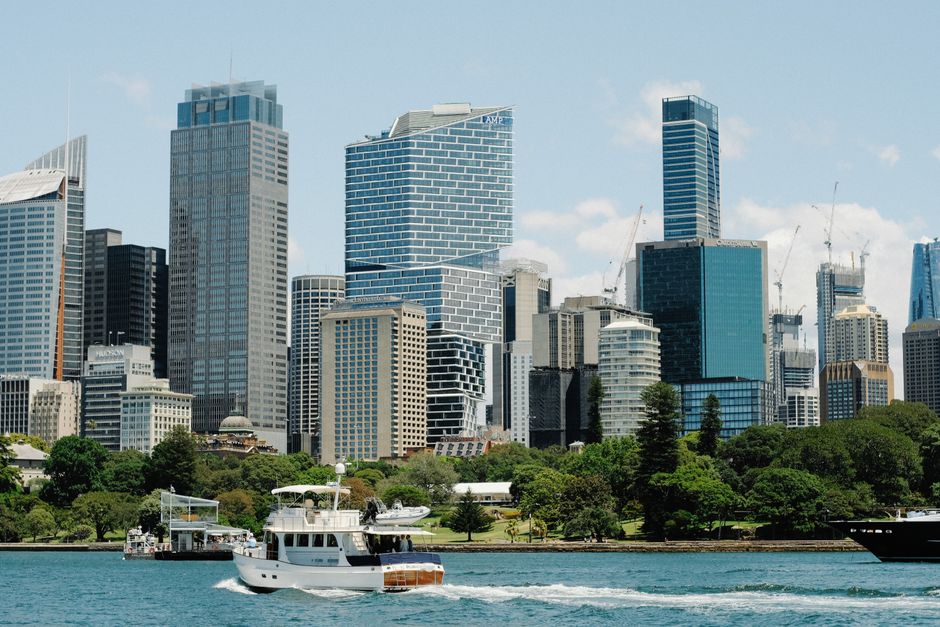
Sydney workers are booking desks the way they once booked Ubers — on demand, by the hour, sometimes five minutes before they sit down. The coworking sector in New South Wales has grown to more than 380 shared office locations across Greater Sydney as of mid-2026, with AI-driven booking platforms now routing members to available spaces based on their calendar, commute time and even noise preferences. The shift is not marginal. It is changing when people leave home, which neighbourhoods they spend money in, and whether the CBD remains the gravitational centre of white-collar work.
The timing matters because this is the moment the pattern is locking in. Hybrid work policies that began as pandemic improvisation have hardened into permanent employment contracts. A Savills Australia report released in March 2026 found that 61 per cent of Sydney office workers now split their week between home, a coworking hub and a traditional employer office. Employers are quietly shrinking their CBD floor plates. Workers, no longer tethered to a single location five days a week, are making suburb-level decisions — about where to live, where to spend lunch money, which train line matters — that they never had reason to make before.
The Tech Layer Underneath the Desk Booking
The platforms doing this quietly but effectively include Sydney-founded operator Hub Australia, which runs spaces across Clarence Street in the CBD and Martin Place, and has integrated an AI scheduling layer that recommends drop-in desk availability in real time. Rival operator Workspace365, with a large site in Parramatta's Phillip Street, uses similar demand-prediction tools to manage peak-hour crowding — the 9:30am Tuesday crush is apparently as predictable as traffic on the M1. Both platforms now sync with Microsoft 365 and Google Workspace calendars, meaning the software knows a member has a video call at 2pm and will quietly flag a quiet booth before the user thinks to look.
In Surry Hills, small operators like The Commons on Bourke Road have gone further, trialling acoustic sensor networks that monitor ambient noise levels across the floor and feed that data back into their apps. Members can filter spaces not just by suburb but by decibel range. It sounds fussy until you realise someone trying to close a client call from a coworking space in Chippendale genuinely needs that information.
The price points matter too. A hot-desk day pass in inner-Sydney hubs typically runs between $45 and $75 as of July 2026. A dedicated desk membership at Workspace365 Parramatta costs roughly $450 a month — substantially cheaper than comparable arrangements in the CBD, and enough of a gap to make western Sydney coworking commercially viable for residents who previously accepted a 90-minute round trip as non-negotiable.
What This Means for the City's Geography
The downstream effects are becoming visible at the neighbourhood level. Foot traffic data compiled by City of Sydney Council for the March 2026 quarter showed a 14 per cent increase in weekday café and retail spending in Newtown and Surry Hills compared with the same period in 2024, correlating with the growth of coworking memberships in both suburbs. Parramatta City Council reported similar trends along Church Street, where three new coworking operators opened between January and May 2026.
The pattern is not uniform. Outer suburbs — Penrith, Liverpool, the Northern Beaches — still lack the density of coworking options that inner-ring suburbs enjoy, meaning residents there largely retain the binary choice of commuting to the CBD or working from a kitchen table. Several operators have flagged plans to expand further west, but concrete lease announcements are thin.
For residents deciding what this means practically: the advice from workspace consultants is to pressure-test your employer's hybrid policy now, before the next lease cycle locks in your team's anchor office. Check whether your employer has a coworking allowance — Hub Australia says corporate membership inquiries doubled in the first half of 2026. And if you live within 20 minutes of a functioning hub, the maths on a daily commute to the CBD for routine desk work increasingly does not add up.