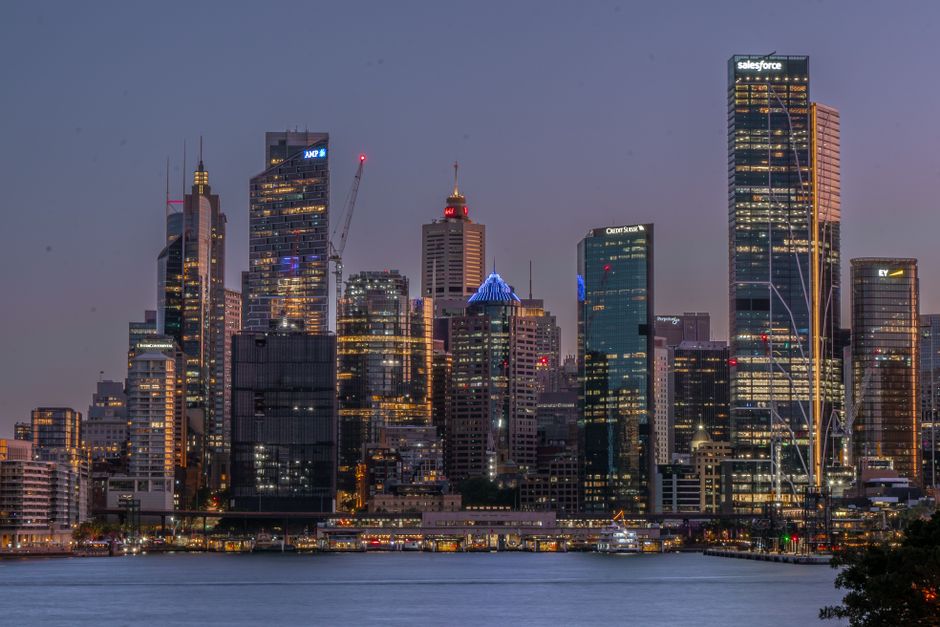
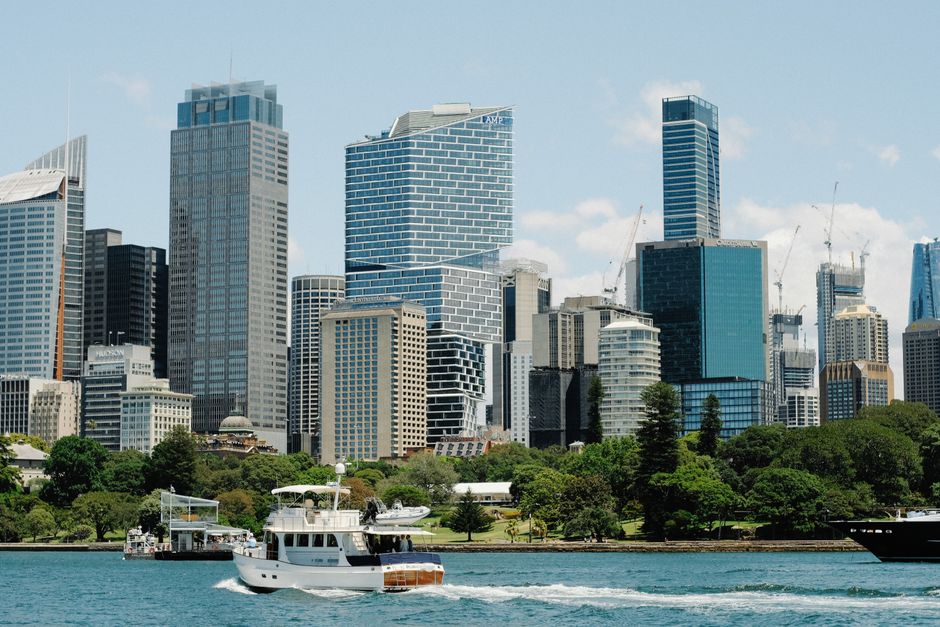
Sydney's clean energy sector attracted AU$2.3 billion in venture and government investment in the twelve months to June 2026, a figure that puts the city ahead of Singapore and Toronto in per-capita green-tech funding for the first time. The milestone, confirmed in a June 30 report by the Clean Energy Finance Corporation, reflects years of targeted bets on solar software, grid intelligence and battery recycling — not just turbines and panels.
The timing matters. With the federal government's Rewiring the Nation program now in its fourth year and the New South Wales grid facing pressure from the imminent closure of Eraring Power Station in August, Sydney's innovators are no longer working on theoretical problems. They are solving live, high-stakes infrastructure challenges in real time, which is exactly the kind of pressure that tends to separate serious ecosystems from pretenders.
The Precincts Driving the Difference
Two Sydney locations account for a disproportionate share of the activity. The Pyrmont-Ultimo tech corridor, anchored by the Australian Technology Park's overflow operations and a cluster of grid-software firms along Harris Street, has become the de facto home of what insiders are calling "energy intelligence" — software that predicts demand, trades electrons on the spot market and manages rooftop solar exports at neighbourhood scale. Firms including Reposit Power and Amber Electric both maintain significant engineering operations there.
Thirty kilometres west, Parramatta is a different kind of story. Western Sydney's central business district is hosting the New South Wales government's GridBoost pilot, a AU$340 million program pairing large-scale vanadium flow batteries with local distribution networks. The first 50-megawatt-hour installation went live in March 2026 behind the Westmead hospital precinct, and engineers from three countries flew in to observe the commissioning. That kind of live demonstration capacity — real load, real weather, real grid stress — is something that Sydney can offer and that, say, a research park in Shenzhen or a lab in Zurich cannot replicate on the same terms.
What makes this geography distinctive is the density of the problem set. Greater Sydney has 1.4 million rooftop solar installations, the highest concentration of any metropolitan area outside of Germany's Rhineland. Managing that much distributed generation on a single urban grid is an unsolved engineering challenge at scale, and the companies building solutions here are doing so with live data, live customers and live consequences. That experience is exportable. ARENA, the Australian Renewable Energy Agency, has funded seven Sydney-based startups since January 2026 specifically to commercialise grid-management software for export to Southeast Asian markets.
Where the Money and Talent Are Flowing
The University of New South Wales' School of Photovoltaic and Renewable Energy Engineering at Kensington remains the talent engine. It produced 340 graduates in 2025, and according to the university's own placement data, 61 per cent of them took roles in Australian clean-tech firms rather than leaving for overseas positions — a reversal of the brain-drain trend that plagued the sector a decade ago. Starting salaries for battery-systems engineers in Sydney hit AU$118,000 in the March 2026 quarter, according to Seek data, up 14 per cent year-on-year.
Corporate interest is following the talent. Microsoft's energy research unit opened a Sydney office on George Street in April, citing access to what a company statement called "the world's most complex rooftop solar integration environment." BP's low-carbon venture arm quietly took stakes in two Pyrmont-based grid-software firms in the first half of this year.
The next pressure point arrives in August, when Eraring's closure forces the NSW grid to absorb the loss of 2,880 megawatts of dispatchable capacity. Every piece of demand-response software, every virtual power plant aggregator and every battery dispatch algorithm built in Sydney gets a live stress test whether its developers are ready or not. For the startups that survive that period intact — with working products and paying customers — the export pitch to grid operators in the Philippines, Vietnam and India essentially writes itself. Sydney's green-tech advantage, built on necessity as much as ambition, is about to get its clearest proof point yet.