New South Wales Treasury confirmed last month that the state government has committed $340 million over four years to its Digital Government Acceleration Program, the single largest gov tech funding package in the state's history. The money is already moving, with the first tranche of $85 million released in June to upgrade service delivery infrastructure across 18 state agencies.
The timing is deliberate. The Minns government spent much of 2025 watching Canberra and the Victorian government score headlines with AI-assisted permit systems and predictive infrastructure maintenance tools. Losing ground to Melbourne on tech credentials stings in a city that has spent a decade marketing itself as Australia's answer to Singapore. Now the capital is trying to close the gap fast.
Where the Money Is Actually Going
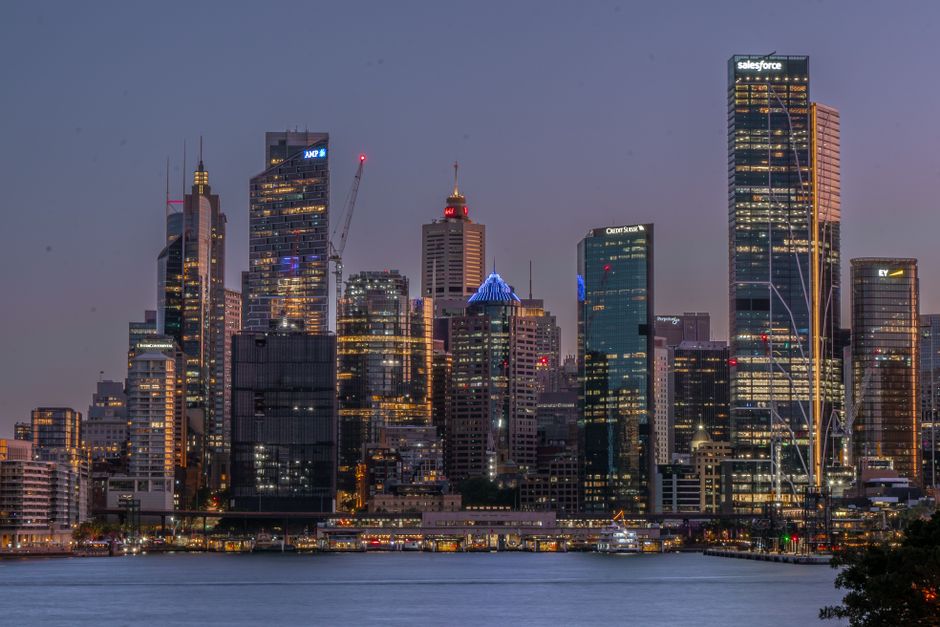
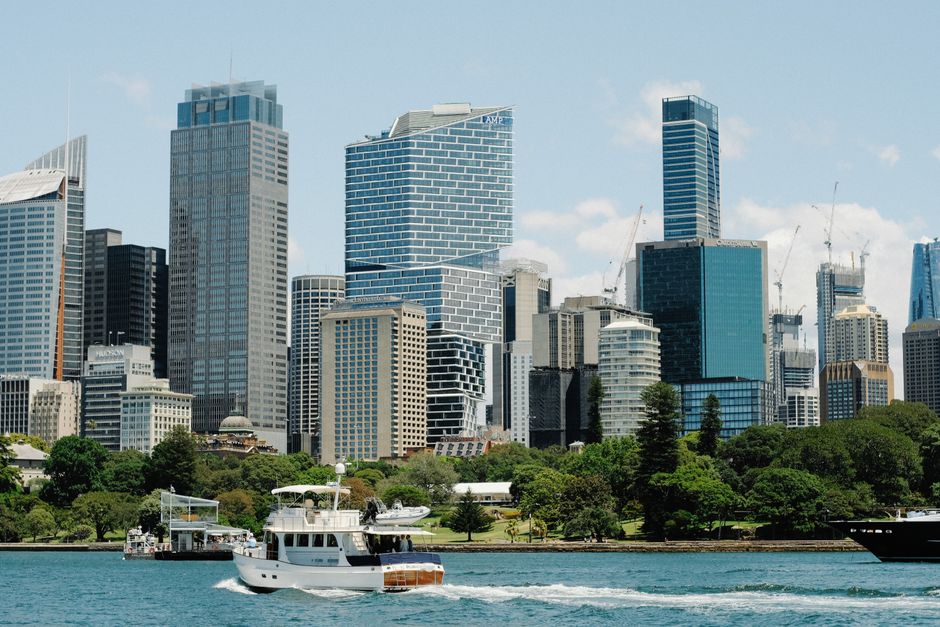
The City of Sydney Council, which covers the CBD and inner suburbs from Pyrmont to Alexandria, is spending $28 million this financial year on sensor networks and data platforms under its Smart City Strategy 2025–2028. George Street's newly completed second stage of light rail integration is the showcase project — the corridor now feeds real-time foot traffic, air quality and waste bin fill-level data into a centralised dashboard managed from the council's operations hub on Town Hall Square.
Out in Parramatta, the Western Sydney Smart Infrastructure Consortium — a joint venture between Western Sydney University, the City of Parramatta Council and NSW Treasury — launched a 12-month pilot in February monitoring traffic congestion and pedestrian flow around Church Street using lidar sensors and edge computing nodes. The consortium received $6.2 million from the federal government's Smart Cities and Suburbs Program to run the trial, with results due in October.
Private capital is chasing these public dollars hard. Venture investment into Australian gov tech startups hit $AU 410 million in the 12 months to March 2026, according to Cut Through Venture's Q1 report — a 37 percent jump on the prior year. Sydney-based companies captured roughly 60 percent of that total. Firms building permitting software, identity verification tools and data integration platforms for councils are the main beneficiaries. Atlassian co-working spaces in Surry Hills and the Stone & Chalk fintech hub at the Star in Pyrmont have both reported waiting lists for desk space among gov tech founders for the first time.
The Risk Sitting Underneath the Numbers
Not everyone is convinced the momentum is sustainable. The NSW Auditor-General's March 2026 report on digital project delivery found that 11 of 17 major government technology contracts reviewed had blown past original budget estimates, some by more than 40 percent. Service NSW's digital identity rollout, which began in 2023 with a $120 million budget, was listed among the overruns.
The structural problem is procurement. State government purchasing rules still force agencies through tender processes that take 12 to 18 months on average, according to the NSW Small Business Commissioner's 2025 annual report. By the time a contract is signed, the technology specified in the brief can be a generation behind what's available. Several Surry Hills-based startups told The Daily Sydney they had abandoned government sales pipelines entirely and pivoted to selling to Singapore and Dubai municipal authorities instead, where procurement cycles run three to four months.
The state government says it is aware of the problem. A revised procurement framework, the NSW GovTech Fast Track Pathway, is scheduled to go live in September 2026 and will allow agencies to onboard pre-vetted tech vendors in as little as six weeks for contracts under $1 million. Whether that threshold is high enough to matter to the startups building serious infrastructure products remains the central question the industry is watching heading into the second half of the year. The first test will come when City of Sydney Council puts its next wave of digital contracts to market in August.