Why Sydney's Coworking Scene Has Become One of the World's Most Distinctive Tech Ecosystems
From Surry Hills to the CBD, the city's hybrid work culture and startup density are drawing global attention — and serious investment.
From Surry Hills to the CBD, the city's hybrid work culture and startup density are drawing global attention — and serious investment.
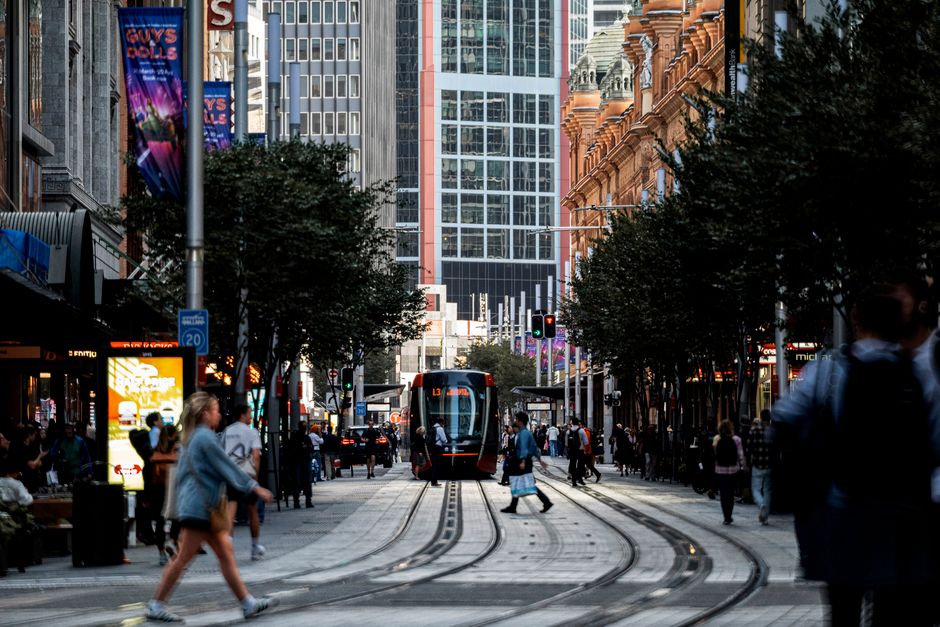
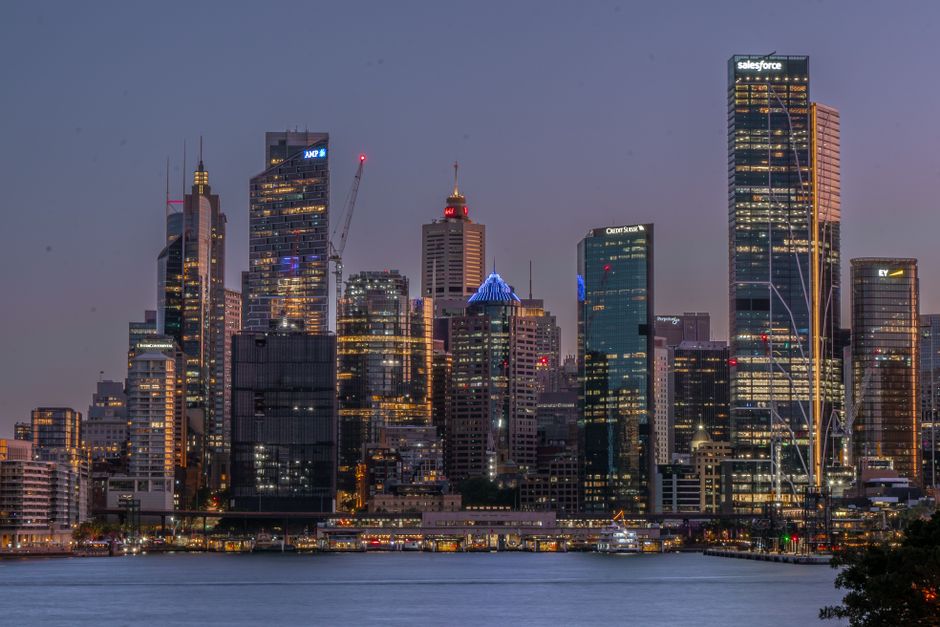
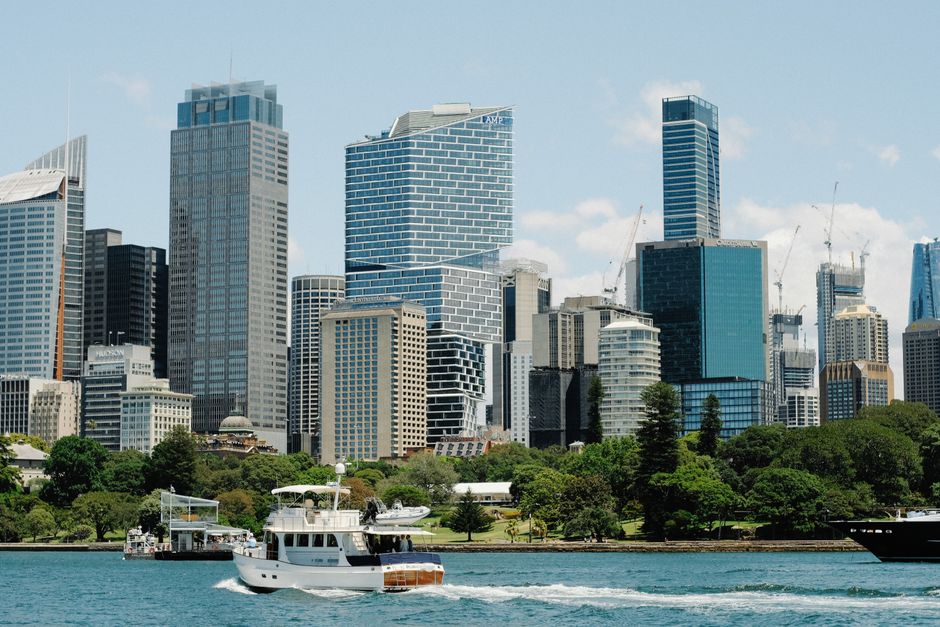
Sydney now has more coworking desks per capita than any other Asia-Pacific city outside Singapore, according to figures released last month by the Property Council of Australia. That single fact is reshaping how the global tech industry thinks about where to plant regional headquarters — and why so many of them keep landing on the corner of George and King Streets rather than in Seoul or Kuala Lumpur.
The timing matters. Across the developed world, the post-pandemic office debate has calcified into two entrenched camps: full return-to-office mandates and fully distributed teams. Sydney has carved out a third path, one built around premium shared infrastructure, a genuinely mixed-use urban core, and a startup-to-enterprise pipeline that is unusually dense for a city of five million people. That combination is proving difficult to replicate elsewhere, and global venture firms have noticed.
Surry Hills accounts for a disproportionate share of the action. The suburb — running roughly from Crown Street down to Cleveland Street — now hosts at least 14 coworking operators, from the well-capitalised WeWork on Pitt Street to locally grown outfits like Fishburners, which relocated its flagship space to the UTS Haymarket precinct and currently runs programs for more than 800 startup founders. Stone & Chalk, embedded inside the Customs House building at Circular Quay, occupies 3,700 square metres and focuses specifically on fintech and deep-tech founders. Both organisations run structured cohorts, not just desk rentals, which is a meaningful distinction from what you find in equivalent spaces in London or Chicago.
The Tech Central precinct, stretching from Central Station south toward Redfern, is the government's $250 million bet that clustering works. NSW Treasury committed that figure to infrastructure upgrades and anchor tenancies in 2023, and by June 2026 more than 60 technology companies had confirmed addresses within the precinct boundaries. Atlassian's 40-storey headquarters on George Street — the timber-hybrid tower now visible from the Anzac Bridge on a clear day — functions as a kind of gravitational anchor. Smaller companies openly cite proximity to Atlassian as a recruiting advantage.
Hot-desk rates in Sydney's top-tier coworking spaces currently sit between $45 and $75 per day, which is higher than Melbourne's comparable market but roughly 30 percent cheaper than equivalent spaces in central London. Dedicated desks run $550 to $850 per month depending on suburb and fit-out. Those prices have held relatively stable since mid-2024, suggesting genuine demand rather than a speculative bubble. The national unemployment rate for software engineers sat at 2.1 percent as of the Australian Bureau of Statistics April 2026 release, which means the competition for technical talent is fierce enough that office environment has become a genuine recruitment lever, not a perk.
Sydney's time zone is also doing quiet strategic work. A team based in the CBD can hold a morning call with Tokyo, a lunchtime call with Singapore, and a late-afternoon call with Dubai — all within a standard business day. That geographic fact, combined with Australia's relatively stable regulatory environment for data and AI applications, makes Sydney a logical hub for companies expanding across the Indo-Pacific. Several European fintech firms have chosen Sydney over Singapore specifically because of Australia's cleaner path to licencing under ASIC's regulatory sandbox framework, which was updated in March 2025.
For founders deciding where to base their next chapter, the practical advice is straightforward: tour the Tech Central precinct and the Surry Hills strip before signing anything. Fishburners' open house program runs on the last Wednesday of each month. Stone & Chalk accepts applications for its structured cohorts quarterly. Both offer trial memberships. The Sydney ecosystem rewards people who show up in person — the city's strongest professional networks still form in rooms, not on Slack channels.
How does this story make you feel?
Spread the word
About this article
Published by The Daily Sydney
Daily brief
Free, in your inbox before 7am. Weekdays.
More in tech