Smart City Tech Transforms Daily Life for Sydney Residents
From traffic management to community engagement, digital transformation is reshaping the city's neighbourhoods
From traffic management to community engagement, digital transformation is reshaping the city's neighbourhoods
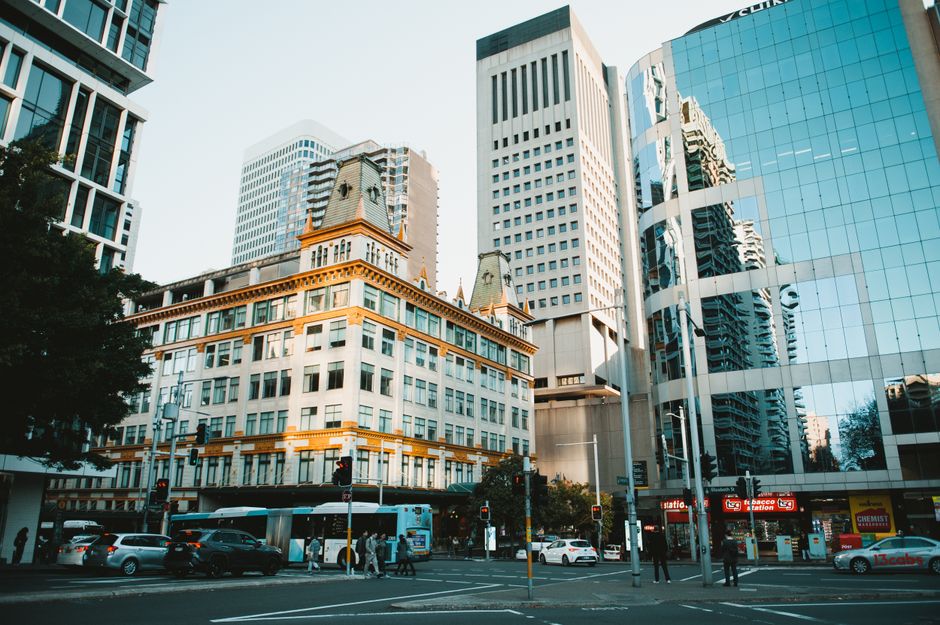
Sydney's smart city digital transformation is changing everyday life for local residents, with over 70% of the city's streets now equipped with smart traffic management systems.
This matters now because the city's population is projected to reach 6.5 million by 2030, putting pressure on existing infrastructure and services. The NSW Government's $712 million investment in digital transformation is aimed at improving the quality of life for residents, enhancing the efficiency of city operations, and supporting economic growth. As the city's tech scene continues to thrive, with major hubs like the Sydney Startup Hub on York Street and the University of Technology Sydney's Tech Lab, residents are experiencing the benefits of smart city technology firsthand.
In specific neighbourhoods like Marrickville and Surry Hills, residents are seeing the impact of smart city initiatives. The City of Sydney's Smart City Strategy, launched in 2019, has led to the installation of smart parking sensors in areas like Pitt Street and George Street, reducing congestion and making it easier for residents to find parking. Meanwhile, organisations like the Sydney Chamber of Commerce and the Committee for Sydney are working together to promote the city's digital transformation and support local businesses. The iconic Bondi to Manly walk, which spans 80 kilometres of coastline, is also being upgraded with smart signage and wayfinding technology, making it easier for residents and tourists to navigate.
According to data from the City of Sydney, the smart traffic management system has reduced travel times by an average of 12% during peak hours, saving commuters around 15 minutes per day. The system, which uses real-time data and analytics to optimise traffic flow, has also reduced congestion by 20% on key roads like the M4 and M5. Furthermore, the city's smart energy grid has helped reduce energy consumption by 10% since its introduction in 2020, with residents saving an average of $120 per year on their energy bills. As of June 2026, over 30,000 residents have also signed up for the city's smart recycling program, which uses data analytics to optimise waste collection and reduce landfill waste.
So what happens next? As the city's digital transformation continues to roll out, residents can expect to see even more innovative technologies being integrated into daily life. The NSW Government has announced plans to expand the smart traffic management system to cover 90% of the city's streets by 2028, and the City of Sydney is exploring new initiatives like smart waste management and community engagement platforms. For now, residents can take advantage of existing smart city technologies by downloading apps like the City of Sydney's Sydney Maps, which provides real-time traffic updates and parking information, or by visiting the city's website to learn more about upcoming smart city initiatives and how to get involved.
How does this story make you feel?
Spread the word
About this article
Published by The Daily Sydney
Daily brief
Free, in your inbox before 7am. Weekdays.
More in tech