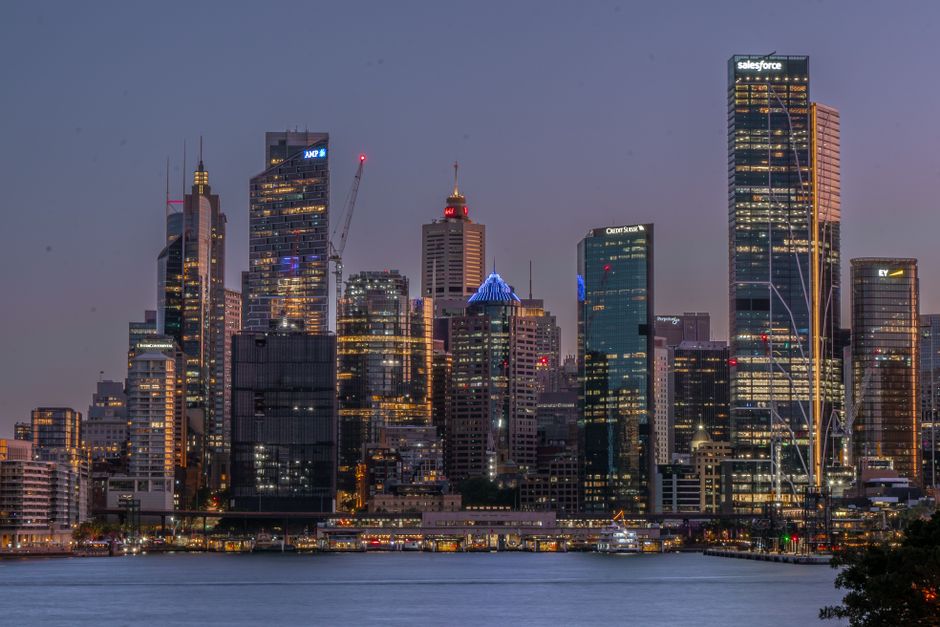
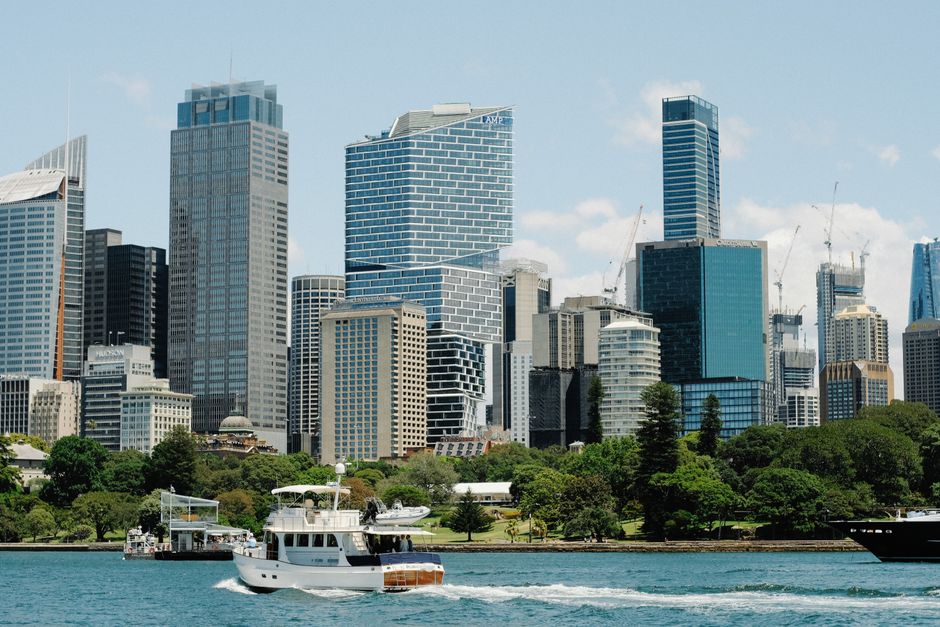
Sydney now ranks among the top ten cities globally for coworking space density per tech worker, according to a June 2026 report from JLL's Asia-Pacific commercial real estate division — a stat that would have seemed laughable a decade ago when most serious founders were told to move to San Francisco or miss out.
The timing matters. As browser wars, AI tooling, and hardware for distributed teams reshape how knowledge workers operate day-to-day, the physical infrastructure supporting those workers has become a competitive differentiator between cities. Sydney has quietly built something that sets it apart: a coworking ecosystem that is deeply integrated with university research pipelines, federal innovation grants, and a time-zone position that makes it the natural bridge between US West Coast afternoons and Asian business mornings.
The Neighbourhoods Driving the Shift
Surry Hills and Pyrmont carry the bulk of the action. Stone & Chalk at the Pyrmont Innovation Precinct — the 4,500-square-metre campus near Harris Street — hosts more than 100 resident companies at any given time, with a waiting list that stretched to 14 weeks as of May 2026. Nearby, WeWork's York Street location in the CBD reported occupancy above 91 percent through the first quarter of this year, a figure the company's Asia-Pacific team has pointed to as evidence that Sydney bucked the post-pandemic coworking correction that hit Melbourne and Brisbane harder.
The suburb of Redfern deserves particular attention. The Australian Technology Park, which once served as the site of Eveleigh railway workshops, now houses a cluster of scale-ups including several that spun out of CSIRO's Data61 program. Monthly hot-desk rates there run between $450 and $680, undercutting comparable space in Singapore's one-north district by roughly 20 percent once you account for the current AUD-SGD exchange rate.
What makes Sydney's arrangement unusual globally is the density of what urban tech researchers call "productive proximity" — the tendency for fintech, climate-tech, and deep-tech companies to cluster within walking distance rather than spreading across a metropolitan sprawl. The stretch from Central Station down Elizabeth Street to the Quay puts a founder within a 20-minute walk of the Sydney offices of Atlassian, Canva, Afterpay's parent block, three of the big four banks' innovation labs, and multiple federal government digital transformation outposts.
The Numbers Behind the Narrative
The federal Department of Industry's 2025 Australian Tech Ecosystem Review counted 7,200 active tech startups in Greater Sydney, up from 4,900 in 2022. Roughly 38 percent of those companies operate with a fully distributed or hybrid-first structure, meaning coworking access is a core operational input rather than a perk. That figure is higher than the national average of 29 percent and higher still than London's equivalent rate of 34 percent, according to the same report.
Dedicated desks at Fishburners in the CBD — one of the country's oldest not-for-profit tech hubs, located on Kent Street since its relocation in 2018 — start at $395 per month, and the organisation reported a 22 percent membership increase in the 12 months to March 2026. Members cite the programming as much as the desk space: Fishburners ran 140 events last financial year, connecting founders with investors from Blackbird Ventures, AirTree, and several US-based crossover funds that have started treating Sydney as a genuine sourcing market.
For tech workers and founders deciding where to anchor their distributed teams, the practical calculus is changing fast. Sydney's coworking options now include everything from UNSW's Founders Program space at the Kensington campus — suited to deep-tech researchers spinning out IP — to boutique members clubs in Chippendale that cater to product designers and AI engineers who want proximity to creative agencies. The city's infrastructure investment in the Sydney Metro expansion, with the Western Sydney Airport line due to open in 2026, will extend that productive-proximity effect toward Parramatta and beyond. Companies locked into long CBD leases should watch that corridor closely — the next cluster is already forming.