Beat the Heat: A Sydney Guide to Staying Safe and Healthy During Australian Summer
As temperatures climb across NSW, local health experts share practical strategies to keep your body and mind resilient through the hottest months.
As temperatures climb across NSW, local health experts share practical strategies to keep your body and mind resilient through the hottest months.
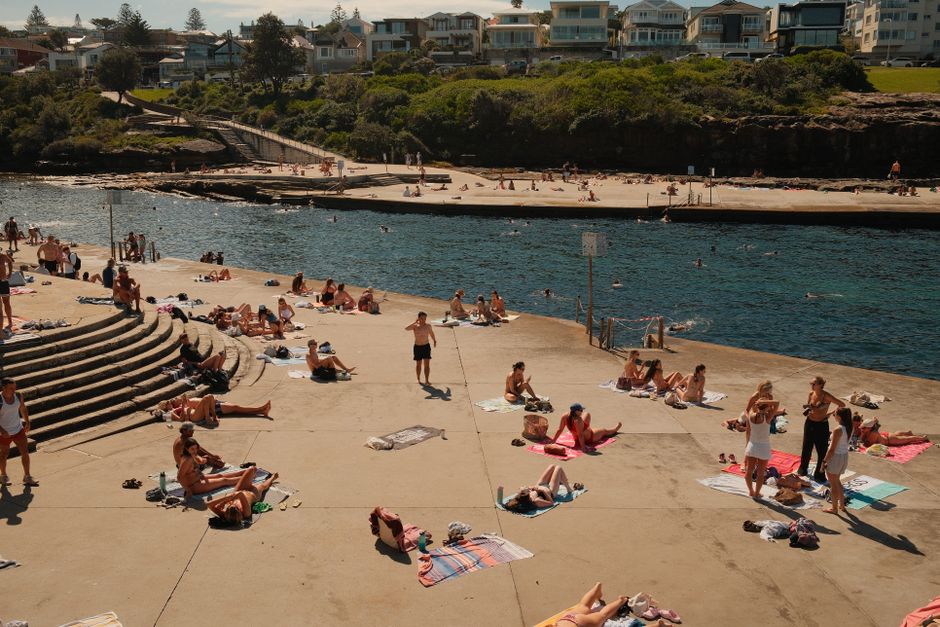
With Sydney's summer temperatures regularly climbing above 30°C—and heatwaves pushing into the mid-40s—staying safe during Australia's warmest season isn't just about comfort. It's essential wellness practice.
"Heat stress affects everyone differently," explains Dr Sarah Chen, a GP practising in Surry Hills. "Dehydration sneaks up on you. Most people don't realise they're losing fluids until it's too late." The recommendation remains consistent: aim for 2–3 litres of water daily, more if you're exercising. Plain water is your best bet; sugary drinks can actually dehydrate you faster.
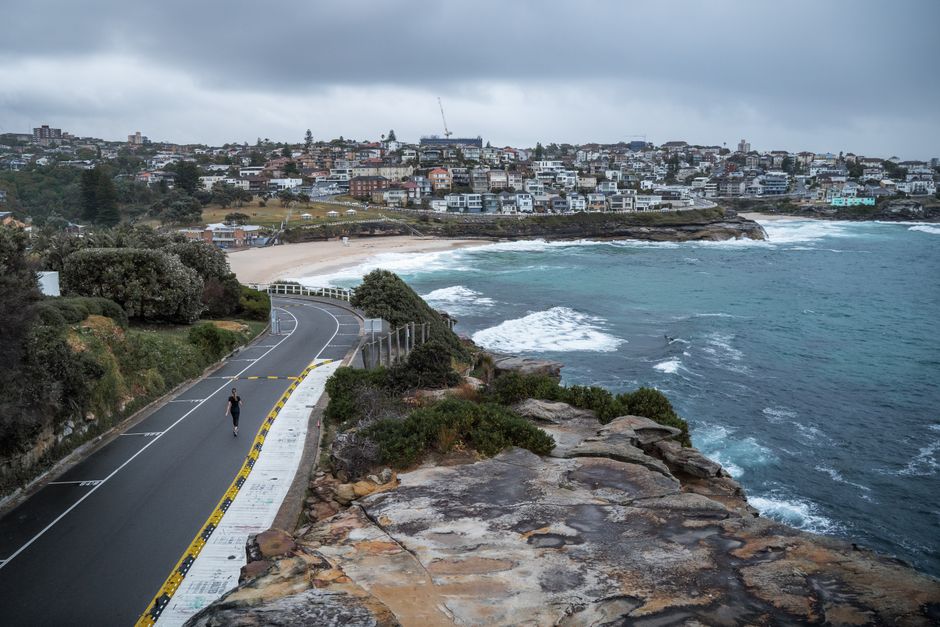
Sydney's iconic outdoor spaces—from Centennial Parklands to Manly's coastal walk—remain beautiful during summer, but timing matters. Early mornings (before 10am) and late evenings (after 4pm) are safest for exercise. A 30-minute walk around the Bondi to Coogee coastal path at 6am offers fitness benefits without peak heat exposure. If you prefer structured workouts, many Surry Hills yoga studios now offer dawn sessions, with class fees ranging from $20–$35 per session.
Heat's impact on mental health is often overlooked. The constant physical stress of managing high temperatures—poor sleep, irritability, difficulty concentrating—compounds during prolonged heatwaves. Simple practices help: keep your bedroom cool by closing blinds during the day, use cotton sheets, and consider a cool shower before bed. Even five minutes of meditation or breathwork in a shaded space can reset your nervous system.
Vulnerable groups—older adults, young children, and those with chronic conditions—need extra caution. If you're caring for elderly relatives in suburbs like Paddington or Darling Point, check in regularly. Dehydration in older people can develop silently, without obvious thirst signals.
The NSW Health hotline (1300 066 055) provides free heat-health advice, and many local councils offer free or low-cost water stations. Westfield shopping centres across Sydney also provide air-conditioned public spaces during extreme heat days—a practical refuge if your home lacks cooling.
Practical checklist: wear loose, light-coloured clothing; apply SPF 50+ sunscreen (reapply every two hours if outdoors); keep electrolyte drinks on hand for intense activity; and never leave children or pets in parked cars. If you experience dizziness, nausea, or confusion, seek shade immediately and contact your GP.
Australian summer is part of our identity, but respecting the heat's power—rather than fighting it—keeps you healthier, happier, and truly thriving through the season.
This article was compiled by AI from the sources linked above and screened before publishing. See our editorial standards.
How does this story make you feel?
Spread the word
About this article
Published by The Daily Sydney
Daily brief
Free, in your inbox before 7am. Weekdays.
More in Wellness