The shift to permanent work-from-home arrangements has quietly transformed Sydney's wellness landscape. What started as a pandemic necessity has become a lifestyle reality for thousands of professionals across the CBD, Inner West and Eastern Suburbs. Yet behind the convenience of a commute-free morning lies a growing problem: screen fatigue and burnout that rivals any office-based stress.
The numbers tell the story. Recent surveys suggest Australians now spend an average of 8–10 hours daily in front of screens for work alone—before social media and streaming services enter the equation. Sydney wellness practitioners report a marked increase in clients complaining of digital eye strain, tension headaches, and what many call 'Zoom fatigue': the exhaustion that comes from constant video calls and notification pings.
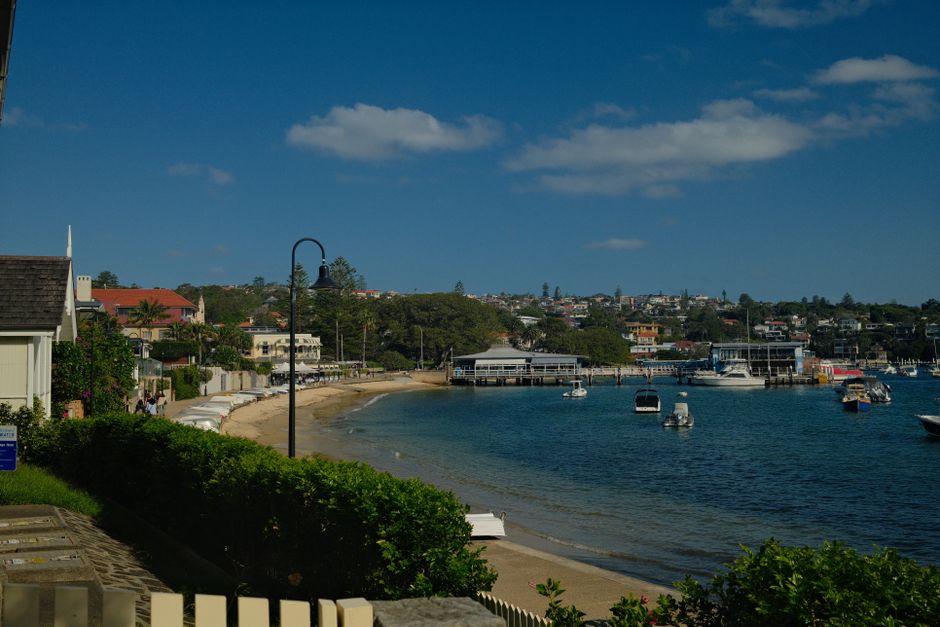
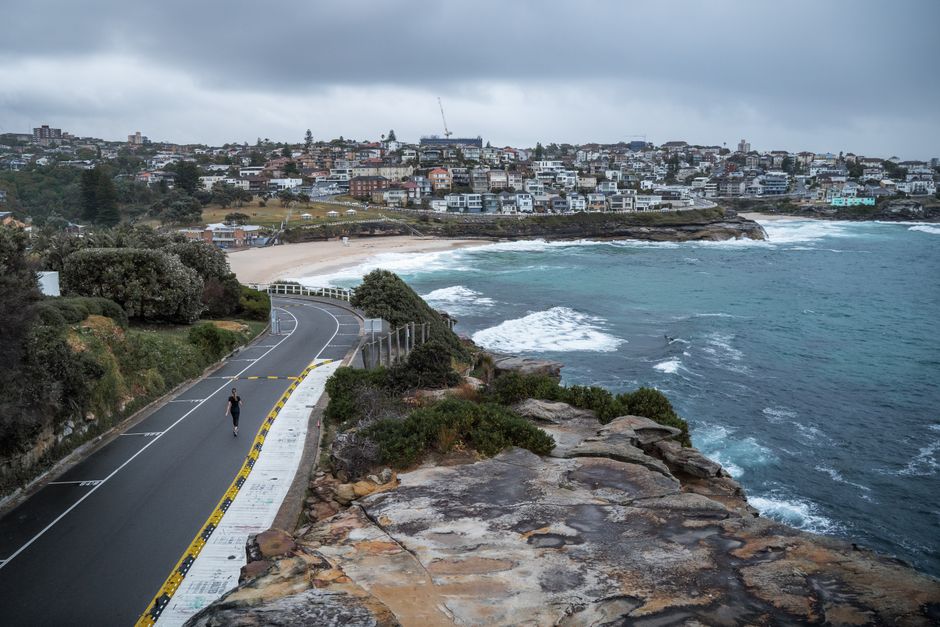
The cure, surprisingly, isn't complex. Wellness experts consistently recommend the same prescription: strategic movement breaks and deliberate screen-free time. A 5-minute walk around Centennial Parklands during lunch can interrupt the afternoon slump. A coastal walk along Manly Beach before logging on—even 15 minutes—has become a game-changer for Eastern Suburbs remote workers. The physiological shift from sitting to moving signals your body that the workday isn't relentless; it has natural pauses.
Surry Hills' thriving yoga and meditation studios—many offering drop-in classes around $25–35 per session—have seen uptick in morning visitors intentionally arriving before their 9am standup. Studios like those on Crown Street are reporting that even a brief 30-minute practice resets mental clarity and reduces the afternoon screen drag.
Simple environmental tweaks matter too. Position your monitor at arm's length, ensure your screen sits at eye level, and follow the 20-20-20 rule: every 20 minutes, look at something 20 metres away for 20 seconds. Blue light glasses (available at most optometrists along Pitt Street for $80–150) can ease strain during long video meetings.
But the most effective remedy remains offline: stepping outside. Sydney's advantage is proximity. A 10-minute walk to a local park, a cold-water swim at Bondi, or even standing in natural light while taking a phone call—these interrupt the dopamine feedback loop that keeps us glued to screens.
Work-from-home flexibility is a privilege. But without intentional boundaries and movement, it becomes a trap. Sydney's wellness community agrees: the answer lies not in working harder or longer, but in protecting time away from the screen entirely.
For persistent fatigue or vision concerns, consult your local Sydney GP or optometrist.
This article was compiled by AI from the sources linked above and screened before publishing. See our editorial standards.