If you've noticed unexplained muscle twitches during your morning jog through Centennial Parklands or found yourself tossing and turning despite good sleep habits, you might be experiencing magnesium deficiency. This silent wellness issue affects up to 30% of Australians, yet remains largely undiagnosed.
Magnesium plays a crucial role in over 300 bodily functions, from muscle relaxation to nerve signalling. The signs of deficiency are often subtle but persistent: muscle cramps, fatigue, poor sleep quality, headaches, and irritability. If you're pushing yourself hard at Bondi Beach fitness studios or attempting those coastal walks around Manly, inadequate magnesium can sabotage your recovery and performance.
Beyond physical symptoms, Sydney's wellness community—particularly those practising yoga and meditation in Surry Hills studios—should note that magnesium deficiency can worsen anxiety and stress. When you're trying to deepen your practice or maintain mental clarity during busy workweeks, this mineral becomes non-negotiable.
Where to find magnesium in your Sydney pantry
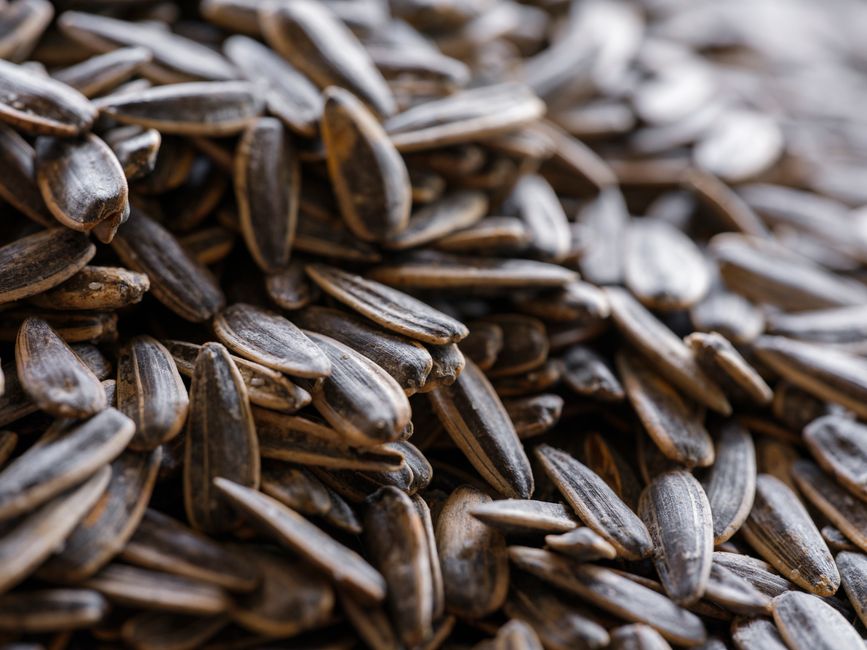
The good news: you don't need supplements to address this. Whole foods deliver magnesium effectively. Leafy greens like spinach and kale (readily available at Sydney markets and supermarkets across Surry Hills, Bondi, and Manly for $3–5 per bunch) are excellent sources. Pumpkin seeds, almonds, and cashews—stocked at most Coles and Woolworths locations—offer substantial amounts per serve, typically costing under $10 per kilogram.
Fish, particularly salmon and mackerel, contain meaningful magnesium alongside omega-3s. Fresh fish at Moore Park and Paddy's Markets costs $15–25 per kilogram. Dark chocolate (70% cocoa or higher) delivers both magnesium and mood-boosting compounds—a daily 30-gram serve from any Sydney supermarket provides about 25% of your daily needs for under $3.
Legumes like chickpeas, black beans, and lentils are budget-friendly staples, typically $1–2 per can. Whole grains, avocados, and nuts round out accessible sources.
Making it practical
Rather than overhauling your diet, consider adding one magnesium-rich food to each meal. A handful of almonds with morning coffee, spinach in your lunch salad, and pumpkin seeds sprinkled on dinner creates sustainable change without fuss.
If you're experiencing persistent symptoms—especially severe cramps or unexplained fatigue affecting your training at local gyms—consult your GP. They can test magnesium levels and rule out underlying conditions. For most Sydneysiders, however, dietary adjustment delivers noticeable improvements within weeks.
This article was compiled by AI from the sources linked above and screened before publishing. See our editorial standards.