Cold water therapy and ice bath benefits explained
From Bondi's ocean swimmers to Surry Hills wellness studios, cold water immersion is transforming how Sydneysiders recover and build resilience.
From Bondi's ocean swimmers to Surry Hills wellness studios, cold water immersion is transforming how Sydneysiders recover and build resilience.
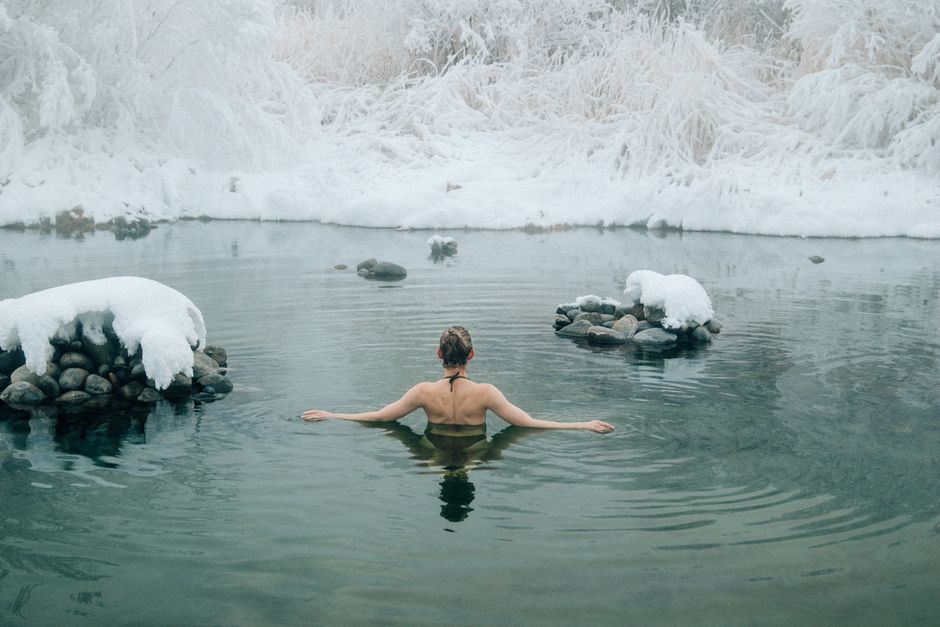
Cold water therapy has moved beyond the fringe of extreme fitness into mainstream wellness across Sydney. Whether it's a plunge into the ocean at Bondi Beach or a dedicated ice bath session at a recovery studio, locals are increasingly turning to cold immersion for tangible health benefits—and the science backs it up.
The practice works through controlled stress on the body. When exposed to cold water, your nervous system activates the "cold shock response," triggering deeper breathing and increased heart rate. Over time, repeated exposure trains your body to regulate this response more efficiently, building what researchers call "stress resilience." For runners tackling the Centennial Parklands loop or gym-goers in the city, this translates to better recovery between sessions and reduced muscle soreness.
Cold water immersion also boosts circulation. The initial vasoconstriction—where blood vessels tighten—is followed by vasodilation when you warm up. This flushing effect helps clear metabolic waste from muscles, a key reason athletes use ice baths after intense training. Studies show even three-minute exposures to water between 10–15°C can meaningfully reduce delayed-onset muscle soreness (DOMS).
Mental health benefits are equally compelling. Cold water exposure triggers endorphin release and activates the parasympathetic nervous system during recovery, leaving many practitioners feeling calmer and more focused. For Sydney's thriving meditation and yoga community in Surry Hills, cold water therapy complements mindfulness practices by strengthening emotional regulation.
Getting started in Sydney is accessible. Bondi Icebergs Club remains iconic, with year-round ocean swimming and dedicated ice bath facilities (membership around $500–$800 annually). Alternatively, dedicated recovery studios across the Eastern Suburbs and inner west now offer single sessions from $35–$60. Home ice baths—portable tubs costing $400–$1,200—are increasingly popular for post-workout use.
The key is consistency without excess. Experts recommend 2–3 sessions weekly, lasting 3–5 minutes in water between 10–15°C. Starting slowly is essential; your body needs time to adapt. A coastal walk along Manly's beachside path followed by a quick cold-water dip is a gentler entry point than aggressive ice bath protocols.
As with any wellness practice, individual responses vary. Some experience immediate mood and recovery improvements; others need weeks to adapt. If you have cardiovascular concerns, always consult your local GP before beginning cold water therapy. For most healthy Sydneysiders, however, cold immersion offers a scientifically grounded tool to enhance athletic recovery, build mental resilience, and reinforce the body's natural adaptive capacity.
This article was compiled by AI from the sources linked above and screened before publishing. See our editorial standards.
How does this story make you feel?
Spread the word
About this article
Published by The Daily Sydney
Daily brief
Free, in your inbox before 7am. Weekdays.
More in Wellness