Menopause wellness: nutrition and exercise guide
Sydney women navigating menopause can harness targeted nutrition and movement strategies to support their bodies through this significant life stage.
Sydney women navigating menopause can harness targeted nutrition and movement strategies to support their bodies through this significant life stage.

Menopause brings profound changes to a woman's body, and Sydney's wellness community is increasingly recognising that thoughtful nutrition and exercise can ease the transition significantly.
Dr Sarah Chen, a menopause wellness specialist based in Paddington, emphasises that smaller, consistent doses of exercise—mirroring the trend across Australia's fitness landscape—work best during this period. "Rather than intense gym sessions, women often feel better with 20–30 minute walks through Centennial Parklands three times weekly, combined with gentle strength work," she explains. Bone density naturally declines after menopause, making weight-bearing exercise and light resistance training critical. Local gyms in Surry Hills, where yoga and Pilates studios flourish, offer menopause-specific classes averaging $25–35 per session.
Nutrition requires equal attention. Calcium and vitamin D intake becomes essential; Sydney dietitian Michelle Torres recommends three serves of dairy or fortified alternatives daily. "A mid-morning snack of Greek yoghurt with berries costs roughly $8–10 from local cafés in Bondi and provides protein and probiotics that support gut health—crucial during menopause," Torres notes.
Phytoestrogen-rich foods, including legumes, tofu, and flaxseeds, may help manage hot flushes. A simple lentil-based lunch from Newtown's plant-focused food scene costs $12–16 and delivers sustained energy without triggering blood-sugar spikes that can worsen menopausal symptoms.
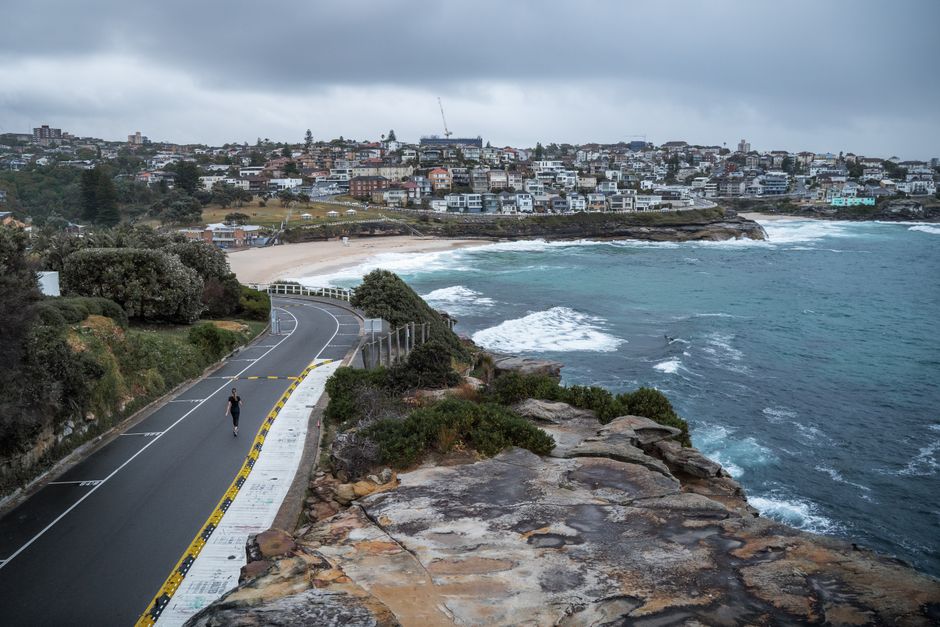
The coastal environment offers natural advantages. A weekly 6–8km walk along the Manly coastal walk provides cardiovascular benefits, stress relief, and vitamin D exposure—all scientifically linked to improved menopause outcomes. Local walking groups in the area meet fortnightly and cost nothing to join.
Hydration deserves mention, particularly during Sydney's warmer months. While social media circulates creative cooling strategies, the fundamentals remain: 2–3 litres of water daily supports temperature regulation and helps mitigate night sweats that disrupt sleep quality.
Movement doesn't require expensive memberships. Free resources through Sydney Local Health District include menopause information sessions held in community centres across the city. Many Surry Hills meditation studios offer introductory classes at $15, addressing anxiety and mood changes many women experience.
The key is consistency over intensity. A combination of three weekly 30-minute walks, twice-weekly strength sessions using body weight or light dumbbells, adequate protein intake (1.2g per kilogram of body weight), and calcium-rich foods creates a sustainable foundation.
Every woman's menopause experience differs. Before making dietary or exercise changes, consult your local GP or a registered menopause specialist to tailor an approach suited to your individual health needs.
This article was compiled by AI from the sources linked above and screened before publishing. See our editorial standards.
How does this story make you feel?
Spread the word
About this article
Published by The Daily Sydney
Daily brief
Free, in your inbox before 7am. Weekdays.
More in Wellness