Dr Sarah Chen, a clinical psychologist based in Surry Hills, has noticed a troubling pattern in her practice over the past 18 months: high-achieving professionals arriving at her door with anxiety, depression, and a common thread—profound loneliness despite living in one of the world's most connected cities.
"People are working longer hours, scrolling more, and seeing friends less," Chen says. "The pandemic normalised isolation, and we haven't fully recovered." Recent Australian data suggests one in four adults experience regular loneliness, with mental health impacts rivalling smoking and obesity.
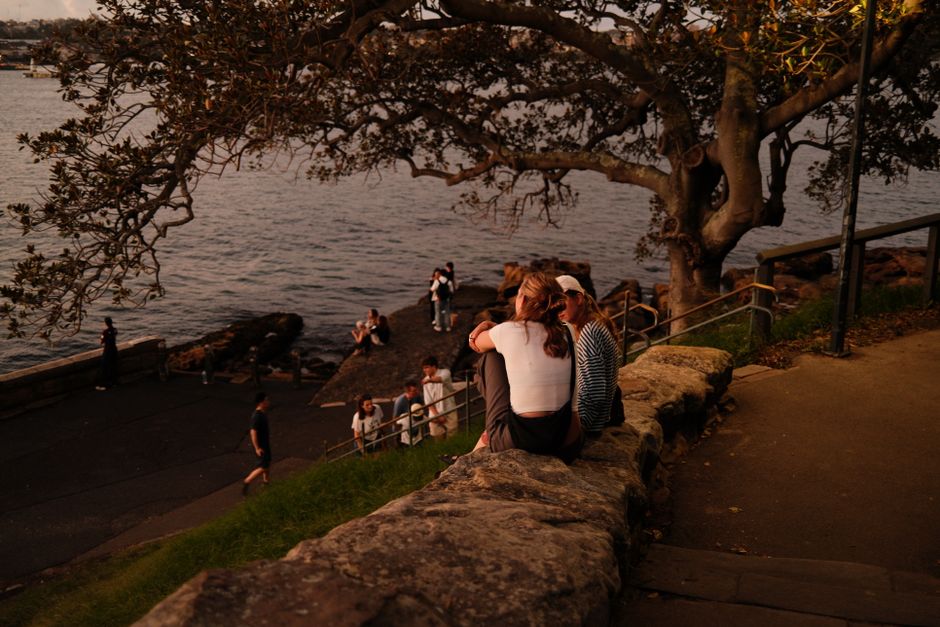
The irony is stark. Sydney's geography—from the coastal paths of Manly to the tree-lined avenues of Centennial Park—is built for community. Yet many residents report feeling disconnected from it.
The science is clear: social bonds regulate our nervous system. When we feel genuinely seen and supported, cortisol (our stress hormone) drops. Heart rate variability improves. Sleep deepens. "Connection is preventative medicine," says Chen.
So where can Sydneysiders start rebuilding? The answer isn't always digital. Running groups at Centennial Parklands—where dozens meet three times weekly—charge nothing and require only commitment. Yoga studios in Surry Hills, typically $25–30 per class, offer both physical practice and community ritual. Even Bondi Beach's informal fitness culture, where swimmers and runners naturally cluster, creates accountability and belonging.
For those struggling to initiate, community services help. Lifeline (13 11 14) and Beyond Blue (1300 224 636) offer free counselling, while organisations like Movember and Headspace provide peer-led groups across Sydney's suburbs.
Chen recommends starting small: one recurring commitment. A standing coffee date. A weekly park walk. A class where you see the same faces. "Consistency builds trust," she explains. "You don't need ten friends; you need one person who knows your story."
The loneliness epidemic won't reverse overnight, but Sydney's greatest asset—its people and spaces—remains underutilised as a mental health tool. The prescription is simple: show up, be present, and let connection do its work.
If you're struggling with mental health, consult your local GP or contact Lifeline (13 11 14) for confidential support.
This article was compiled by AI from the sources linked above and screened before publishing. See our editorial standards.