Why Sydney's sleepless nights are getting worse—and what ...
From blue light to soaring stress, our sleep crisis is deepening. Here's what local experts say will turn your nights around.
From blue light to soaring stress, our sleep crisis is deepening. Here's what local experts say will turn your nights around.
We're sleeping worse than ever. Recent surveys suggest that one in three Australians now struggle with insomnia or poor sleep quality, a marked increase from just five years ago. In Sydney's fast-paced neighbourhoods—from the high-pressure offices of the CBD to the always-on culture of the inner west—the problem is acute.
The culprits are familiar but intensifying. Workplace stress remains a major driver, compounded by the blurred boundaries between home and work. Screen time, particularly the blue light from phones and laptops, continues to suppress melatonin production well into the evening. Add Australia's summer heat—even as we enter winter, many Sydneysiders are adjusting to cooler nights—and you have a perfect storm for restless sleep.
But there's encouraging news. Local wellness professionals are seeing real results with targeted lifestyle adjustments that don't require expensive supplements or sleep clinics.
The practicals that work
Sleep hygiene remains foundational. This means a consistent bedtime (even weekends), a cool, dark bedroom, and eliminating screens 60 minutes before sleep. For those living in Sydney's warmer pockets—Surry Hills, Bondi, Parramatta—a quality blackout curtain costs between $60–$150 and can be transformative.
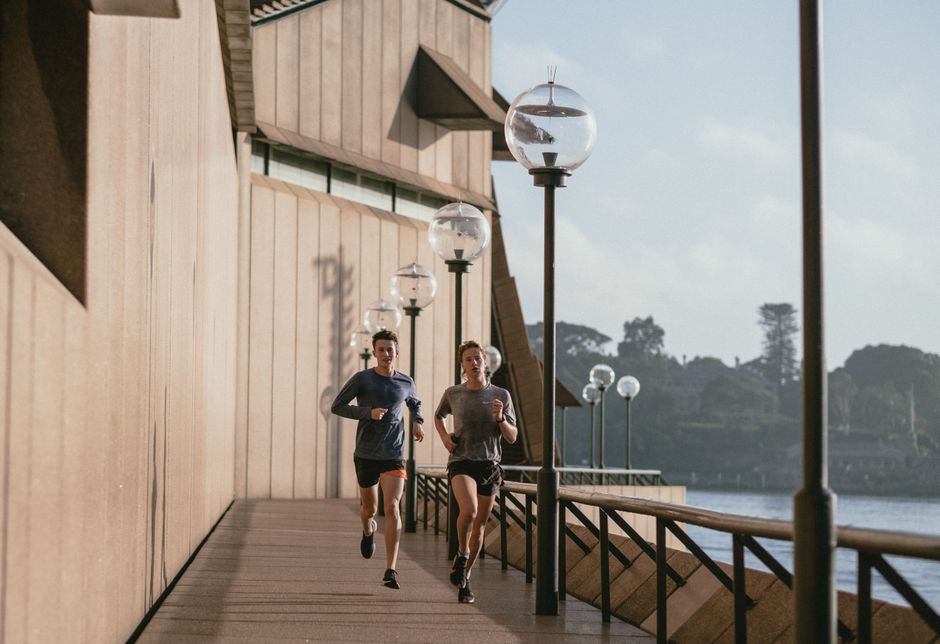
Movement matters significantly. A 2025 study found that regular exercise, particularly afternoon activity in natural light, improved sleep quality by up to 40 per cent. The good news: Sydney's geography is perfect for this. A sunset walk through Centennial Parklands or along the Manly coastal path combines exercise, light exposure, and stress relief—all free.
Meditation and breathwork are gaining traction in Surry Hills' thriving yoga community, where studios now offer evening yin and restorative yoga classes specifically designed to prepare the nervous system for sleep. Even 10 minutes of guided breathing before bed has shown measurable benefits.
Nutrition also plays a quieter but crucial role. Limiting caffeine after 2 p.m., avoiding heavy meals close to bedtime, and including magnesium-rich foods (leafy greens, nuts, seeds) can improve sleep onset and quality.
When to seek help
If poor sleep persists despite these changes, a conversation with your GP is wise. Sleep disorders like sleep apnoea are common and treatable, and early intervention prevents long-term health consequences.
The path to better sleep isn't complicated—it's about consistency, light exposure, movement, and managing stress. For Sydneysiders willing to commit, better nights are closer than they seem.
This article was compiled by AI from the sources linked above and screened before publishing. See our editorial standards.
How does this story make you feel?
Spread the word
About this article
Published by The Daily Sydney
Daily brief
Free, in your inbox before 7am. Weekdays.
More in Wellness