Finding Your Anchor: A Beginner's Guide to Starting a Meditation Practice in Sydney
From Surry Hills studios to Centennial Park benches, here's how to build a sustainable meditation habit without the overwhelm.
From Surry Hills studios to Centennial Park benches, here's how to build a sustainable meditation habit without the overwhelm.
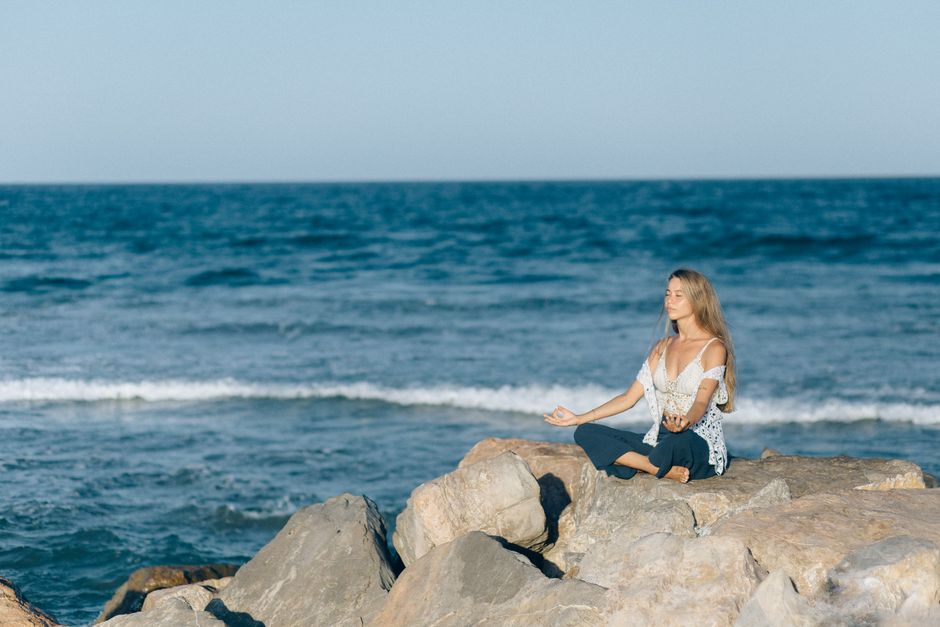
The meditation boom has hit Sydney hard. Whether you're scrolling past Instagram ads for $25 drop-in classes in Paddington or overhearing conversations about "third eye awakening" at your local café, it's clear mindfulness has become mainstream. But if you're new to the practice, the noise can feel paralyzing rather than peaceful.
The good news? Starting a meditation practice doesn't require a studio membership, a special cushion, or even a quiet room. It requires consistency and permission to be a beginner.
"Consistency beats perfection," says the growing ethos among Sydney's meditation community, where studios from Surry Hills to Bondi now offer beginner-friendly classes. Local studios typically charge between $20–$30 per drop-in session, though many offer introductory packages or free taster sessions. Apps like Insight Timer offer free guided meditations ranging from three to 20 minutes—a practical starting point if you're testing the waters without financial commitment.
Choose your setting wisely. You don't need incense and cushions. Centennial Parklands, with its sprawling lawns and tree-lined walking paths, becomes a meditation sanctuary for many inner-city practitioners. Even five minutes seated on a park bench at Manly's coastal walk—listening to waves rather than a meditation app—counts as practice. The key is reducing external stimulation and turning attention inward.
Start small. A common beginner mistake is committing to 30-minute sessions and abandoning the practice after a week. Instead, aim for five minutes daily. This trains your brain to expect and anticipate the practice, making it easier to build into your routine. Morning practice, before your phone buzzes with work emails, often feels more sustainable than evening attempts when mental fatigue peaks.
Find an anchor. This might be your breath, a body scan, or a mantra. Whenever your mind wanders—and it will—gently return to your anchor without judgment. This isn't failure; it's the entire practice.
Consider your style. If silent meditation feels isolating, guided practices might suit you better. Surry Hills' thriving yoga community offers classes combining movement and mindfulness. Others prefer the structure of group sessions, which provide accountability and community.
Expect resistance. Your brain will convince you that you're "doing it wrong" or that meditation "isn't for you." This is normal. The practice is showing up, not achieving some transcendent state.
Track your progress not by how calm you feel during meditation, but by how you respond to stress throughout your week. That's where the real benefit emerges.
This article was compiled by AI and screened before publishing. See our editorial standards.
How does this story make you feel?
Spread the word
About this article
Published by The Daily Sydney
Daily brief
Free, in your inbox before 7am. Weekdays.
More in Wellness