Screen time and sleep: what the research actually shows
As Sydney's wellness warriors scroll late into the night, the science behind blue light and bedtime reveals a more nuanced picture than most of us realise.
As Sydney's wellness warriors scroll late into the night, the science behind blue light and bedtime reveals a more nuanced picture than most of us realise.
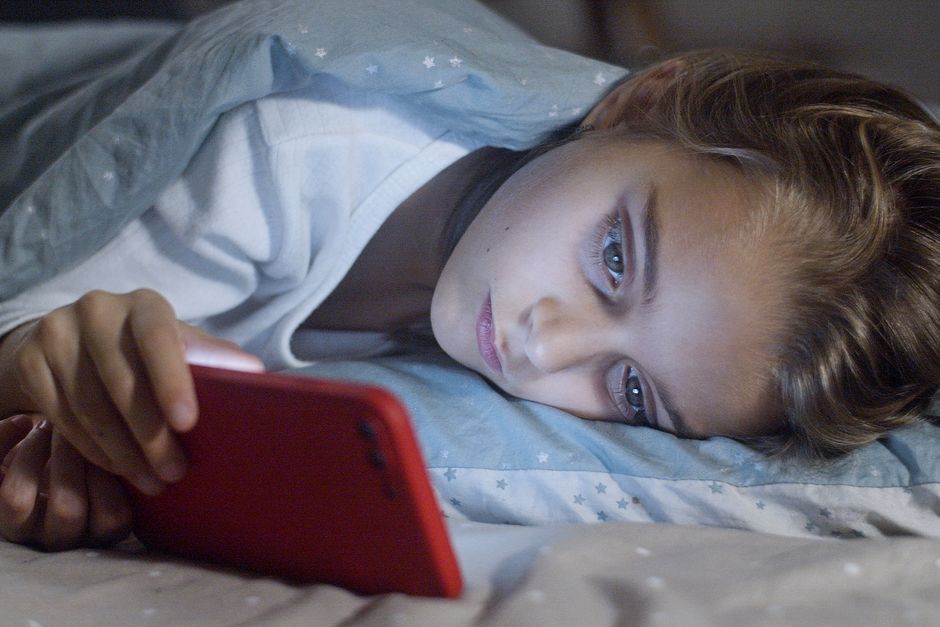
It's 11pm in a Surry Hills apartment. A yoga instructor who taught three classes at her studio on Crown Street scrolls through social media in bed, phone glowing in the darkness. The familiar advice echoes: screens before sleep are the enemy. But what does the research actually say?
The conventional wisdom—that blue light from phones ruins sleep—has become so embedded in wellness culture that most of us accept it as fact. Yet recent peer-reviewed studies suggest the relationship between screen use and sleep quality is considerably more complex than a simple cause-and-effect narrative.
While blue light does suppress melatonin production, the effect appears modest in real-world conditions. A 2024 analysis published in Sleep Health found that the timing and intensity of screen exposure mattered far more than the light wavelength alone. Passive scrolling 30 minutes before bed showed minimal sleep disruption in many participants, whereas engaging content—the kind that triggers emotional responses or work-related stress—reliably delayed sleep onset.
"The behaviour matters more than the blue light," explains the research consensus. This distinction is crucial for Sydneysiders managing demanding schedules. A Bondi-based personal trainer working 5am sessions and evening clients faces different sleep challenges than someone with fixed hours.
Dr Sami Bahri, sleep researcher at the University of Sydney, has noted that individual variation is substantial. Some people show minimal sleep disruption from evening screen use; others are significantly affected. Rather than blanket recommendations, the evidence suggests personalised approaches work better.
Here's what the research genuinely supports: the content matters, the emotional engagement matters, and the intensity of light matters more than the colour. Scrolling passive content (reading news feeds, browsing photos) shows less sleep impact than active engagement (responding to messages, watching intense content). Dimmed screens present less melatonin suppression than full brightness.
For Centennial Parklands runners and Manly coastal walkers seeking evidence-based sleep advice, the practical takeaway isn't "abandon screens entirely." Instead: reduce stimulating content in the hour before bed, dim your screen brightness, and notice your individual responses. Some people genuinely sleep better after scrolling; others don't.
The broader wellness picture—consistent sleep schedules, morning sunlight exposure, and regular exercise—remains the foundation. Screen habits are one small variable in a much larger equation.
Rather than another rule to follow, the research invites something more valuable: honest self-observation about what actually affects your sleep.
This article was compiled by AI and screened before publishing. See our editorial standards.
How does this story make you feel?
Spread the word
About this article
Published by The Daily Sydney
Daily brief
Free, in your inbox before 7am. Weekdays.
More in Wellness