Outdoor Boot Camps Sydney: What to Expect
Sydney's parks are filling with affordable group fitness. Discover what drives the outdoor boot camp trend and how to find the right class near you.
Sydney's parks are filling with affordable group fitness. Discover what drives the outdoor boot camp trend and how to find the right class near you.
Saturdays at Bondi Beach's flat grass stretch below the Icebergs car park no longer belong only to dog walkers and hungover brunch-goers. By 6:30 a.m., three or four separate boot camp groups are already mid-session — burpees, kettlebell swings, partner sprints — with instructor headsets amplifying commands across the salt air. The outdoor group-exercise industry in Sydney has grown substantially since the post-lockdown fitness surge of 2022, and in the winter of 2026 it shows no sign of cooling down.
The timing matters. Property costs are squeezing discretionary spending across the city, and gym memberships — which run anywhere from $60 to $140 a month at most commercial fitness chains — are a line item many Sydneysiders are quietly cancelling. Outdoor boot camps, typically priced between $15 and $25 per session (or $80 to $120 for a four-week unlimited pass), have filled that gap. They offer structured coaching, community accountability and zero overhead costs for the provider — which means cheaper prices for the participant. The financial logic is hard to argue with.
Two locations dominate the scene right now. Centennial Parklands, which covers 189 hectares across Paddington, Randwick and Moore Park, hosts at least a dozen registered fitness operators under its commercial permit scheme. The Parklands Trust requires operators to hold public liability insurance of at least $20 million and renew permits annually — a layer of consumer protection that a lot of participants don't realise exists before they hand over their credit card details. Programs like F45 Outdoor Pop-Up sessions and independent operators such as Sydney Bootcamp Co. (which runs Tuesday, Thursday and Saturday mornings near the Randwick Gates entrance) draw crowds of between 15 and 40 participants per class depending on the season.
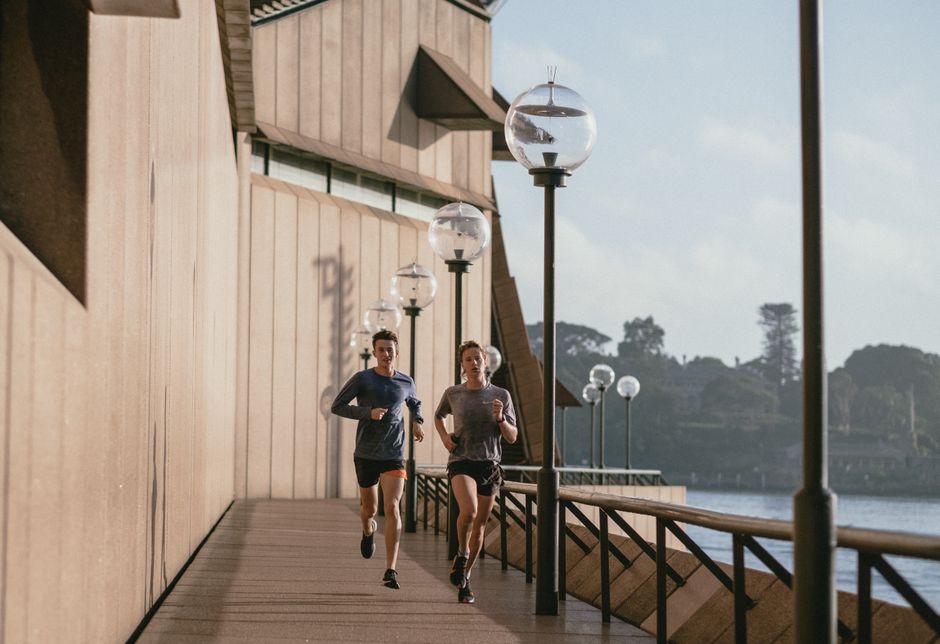
Further north, the Manly to Spit Bridge coastal walk has become a corridor for interval-training groups who use the natural terrain — the 10-kilometre trail's steep sections near Dobroyd Head, in particular — as resistance. Manly-based operator CoastalFit runs four-week progressive programs that culminate in a timed walk-to-run completion of the full trail. Sessions depart from Manly Wharf at 6 a.m. on weekday mornings. In Surry Hills, the quieter pocket parks along Crown Street see smaller yoga-hybrid classes that blend bodyweight conditioning with breathwork — a format that has picked up a loyal following among shift workers finishing late-night hospitality stints.
Australian Institute of Health and Welfare data from 2025 found that 61 percent of adults aged 18 to 64 were not meeting the national physical activity guidelines of 150 minutes of moderate exercise per week. Group exercise formats, according to a 2024 study published in the Journal of Sport and Health Science, improved adherence rates by 26 percent compared with solo gym attendance over a 12-week period — the accountability factor appears to be the active ingredient. Participants in group outdoor sessions also reported higher mood scores post-exercise than those training indoors, a finding the researchers attributed partly to natural light exposure.
Boot camps are not uniform products. Some prioritise high-intensity interval training with limited modification options; others are explicitly billed as beginner-friendly and cap intensity deliberately. Before committing to a program, it is worth asking the operator three things: what qualifications their coaches hold (Certificate III or IV in Fitness is the industry baseline in NSW), whether sessions are periodised across weeks rather than randomly programmed, and what the cancellation or pause policy is. Anyone with an existing injury or chronic health condition should speak with a GP or exercise physiologist before joining — the enthusiasm of a Saturday morning crowd is not a substitute for individualised medical advice.
The City of Sydney Council's Active Sydney Strategy, which runs through to 2030, has earmarked $4.2 million for upgrading outdoor fitness infrastructure across 22 parks, including expanded flat exercise areas at Rushcutters Bay and Alexandria Park. That investment will likely bring more operators into the market over the next 12 to 18 months. For now, if you want a spot in a popular Centennial Parklands session, booking at least 48 hours ahead is standard practice — most fill via app-based platforms like Mindbody or direct Instagram links. Show up without a booking on a clear July morning and you will probably be turned away.
How does this story make you feel?
Spread the word
About this article
Published by The Daily Sydney
Daily brief
Free, in your inbox before 7am. Weekdays.
More in Wellness