Hydration in the local climate: how much and what to drink in Sydney
Sydney’s dry winter air and mild temperatures mask a year-round risk of dehydration—experts and locals offer grounded advice on staying hydrated on the coast and in the city.
Sydney’s dry winter air and mild temperatures mask a year-round risk of dehydration—experts and locals offer grounded advice on staying hydrated on the coast and in the city.
The blue skies and crisp mornings of a Sydney winter often trick people into ignoring one of the city’s most persistent wellness risks: dehydration. Emergency department visits for dehydration-related symptoms tend to spike in late June and early July, according to NSW Health data collected from major hospitals including St Vincent’s and Royal Prince Alfred. With daytime temperatures hovering around 19°C in Bondi, many residents forget that dry air can sap moisture faster than summer humidity does.
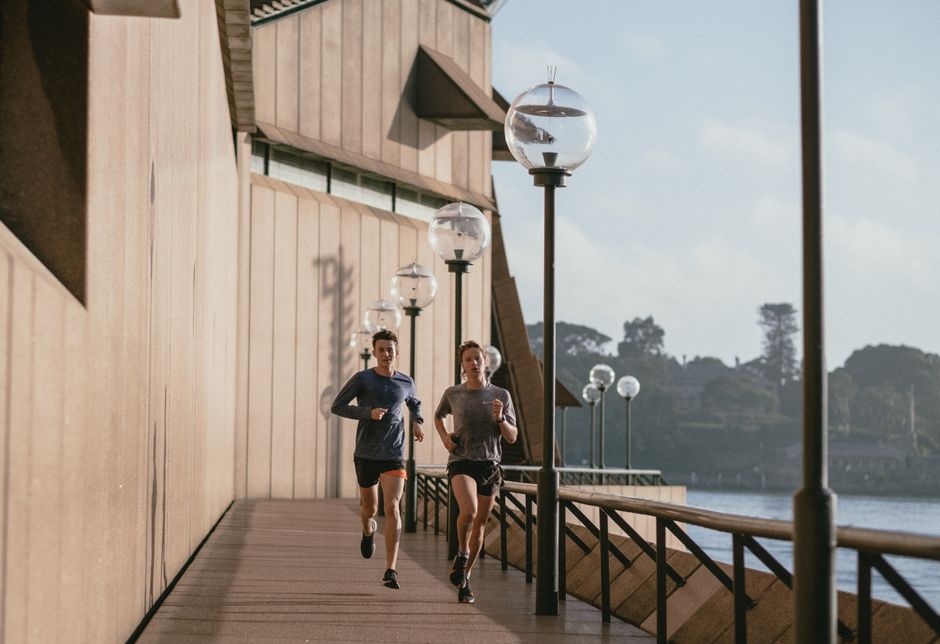
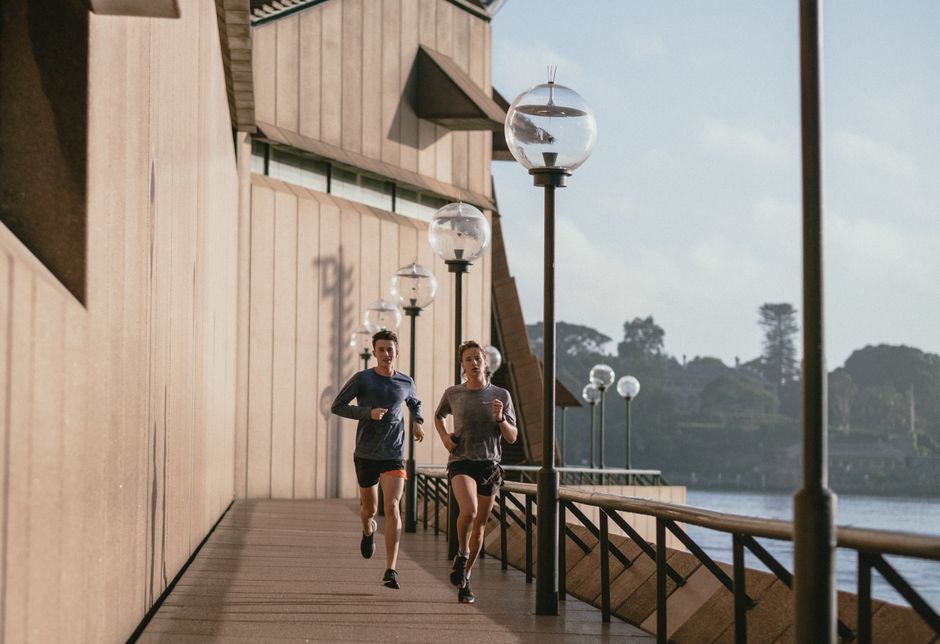
Experts point to the city’s unique weather patterns—relatively mild winters paired with long outdoor days—as a key reason to rethink how, and how much, Sydney siders hydrate. Waterfront runners along the Manly to Shelly Beach track and parents at the Surry Hills playgrounds might not feel sweaty, but their bodies are still losing fluid. "It’s not just about heat," says a NSW Health fact sheet on winter dehydration. "Cold air can increase fluid loss through respiration and reduce thirst cues.” The issue is particularly gnarly for the city’s substantial population of amateur athletes, office workers, and older adults who rarely feel parched until symptoms set in.
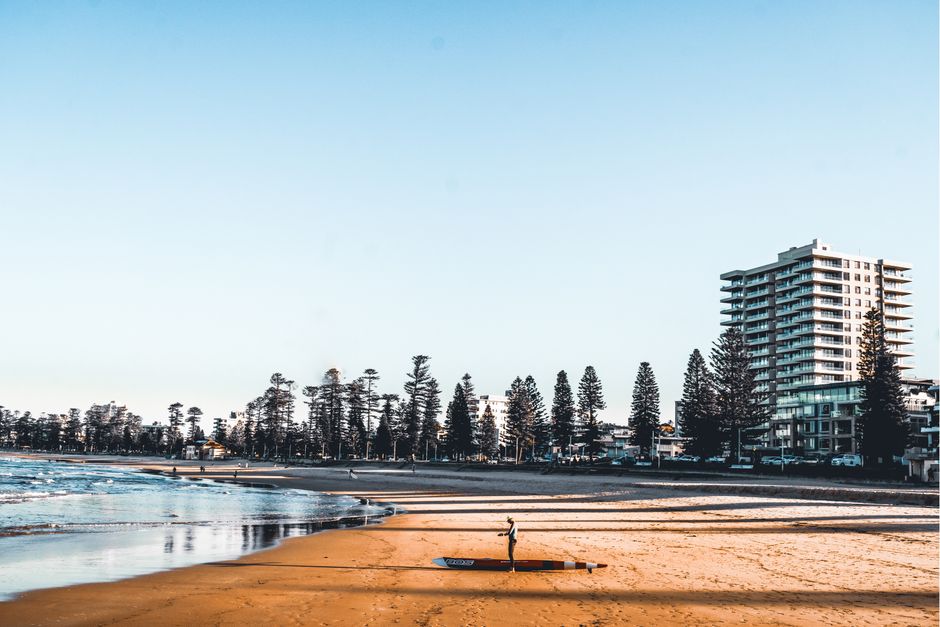
Sydney’s fitness scene is hard to miss: sunrise yoga on the sand by Bondi Pavilion, boot camps clustered under Centennial Park’s Moreton Bay figs, and queues at Bourke Street Bakery in Surry Hills for post-run coffee. Many regulars at Bondi Icebergs Swimming Club bring water bottles filled from the public fountains just outside Hall Street, where water is free but reminders about adequate intake are few and far between. The City of Sydney’s Refill Don’t Landfill initiative has placed more than 100 filtered water stations from Darling Square to Barangaroo Reserve, hoping to nudge residents and visitors to top up as they move through the city. Still, cafes like The Bondi General Store report a steady demand for coconut water and kombucha—beverages marketed with a health halo but sometimes less effective for plain hydration because of caffeine, sugar, or unpredictable sodium content.
According to Food Standards Australia New Zealand (FSANZ), adults need an average of 2.6 litres of water a day for men and 2.1 litres for women, but that can climb by 500ml or more per hour during sustained exercise—whether that’s paddling out off Manly or hiking the Hermitage Foreshore Walk in Vaucluse. Drink prices on the go vary widely: a bottle of Mount Franklin water at Bondi’s beachfront Woolworths sells for $3.40, while a reusable water bottle can be filled for free at city-provided stations. Sydney Water reported dispensing more than 1.4 million litres from these stations in the 2025 calendar year. Dietitians note that while trendy seltzers and sports drinks are popular, they’re not usually necessary for typical urban workouts. Instead, sticking with simple tap water—well-regulated and tested in every Sydney LGA—remains the best value for everyday hydration.
With the city’s July fun runs, park HIIT classes and Nippers sessions still in full swing, practical hydration tips are circulating among community groups and sports clubs. Athletics East, based near Centennial Park, suggests ‘schedule’ sips every 20 minutes when walking or running outdoors, regardless of thirst. Over-60s are urged to carry a bottle during errands at Marrickville Metro or Rozelle Markets, since dehydration risk rises with age. For offices, Sydney’s Healthy Workplace Charter recommends staff keep a glass of water visible at the desk and swap at least one daily coffee for water or herbal tea. For anyone walking the hills of Potts Point or braving the sea breeze along the Coogee Coastal Walk, awareness and planning are the keys—check local council maps for water stations before setting out, and build a refilling habit, not just a reaction to thirst. As winter settles in, city health leaders continue to push a simple message: hydration starts before you feel thirsty, lasts the whole day, and almost always begins with a long drink of tap water.
How does this story make you feel?
Spread the word
About this article
Published by The Daily Sydney
Daily brief
Free, in your inbox before 7am. Weekdays.
More in Wellness