Why Sydney shoppers should care about the global supply chain chaos unfolding right now
From coffee prices in Surry Hills to electronics at Westfield, international trade tensions are about to hit your wallet harder than you think.
From coffee prices in Surry Hills to electronics at Westfield, international trade tensions are about to hit your wallet harder than you think.
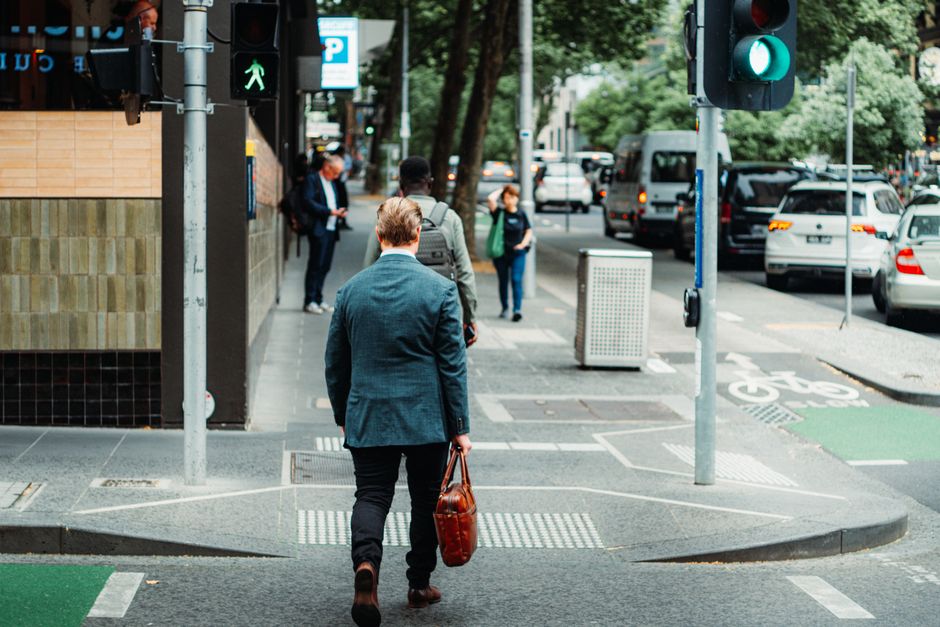
Walk down King Street in Newtown or browse the shelves at your local Coles and you're witnessing the frontlines of a global economic storm that most Sydney residents barely understand—but absolutely should.
The past 48 hours have delivered a stark reminder: the world's geopolitical fault lines directly affect what you pay for groceries, clothes, and petrol. With tensions flaring between major trading powers and supply chains already stretched thin, everyday Sydneysiders need to grasp how international trade works and why disruptions thousands of kilometres away matter.
Australia imports roughly $230 billion worth of goods annually, and Sydney, as our largest port city, shoulders much of that burden. A significant chunk comes from Southeast Asia and the Middle East—regions currently experiencing heightened instability. When shipping routes face uncertainty or tariffs spike, those costs don't stay overseas. They flow directly into Woolworths trolleys across Bondi Junction, Chatswood, and inner-west suburbs.
Consider coffee. Sydney's thriving café culture—from Specialty Coffee Association members in Surry Hills to independent roasters in Marrickville—relies on beans sourced from volatile regions. Currency fluctuations, port delays, or new trade barriers can push a flat white from $5 to $5.50 within months. Multiply that across electronics, clothing, and fresh produce, and household budgets take genuine hits.
Semiconductors and tech goods, heavily imported from Taiwan and South Korea, face particular risk. If geopolitical tensions escalate, prices for phones, laptops, and appliances at major retailers like JB Hi-Fi and Harvey Norman could surge 10-15 per cent. That's not speculation—it's what happened in 2021-2022 when supply chains fractured.
But there's a silver lining for informed consumers. Understanding these dynamics means you can make smarter purchasing decisions now. Buying durable goods before potential tariff increases? Locking in fixed-rate subscriptions? These aren't panic moves—they're rational responses to legitimate economic signals.
Sydney's business community has long thrived on global connections. The port at Port Botany, our financial services hub, and our multicultural population all depend on stable international trade. When that stability wobbles, it's not abstract economics—it's your morning coffee, your kids' school uniforms, and your electricity bill.
The message is simple: pay attention to international news. What happens in trade negotiations, shipping routes, and currency markets doesn't stay in the headlines. It lands in your shopping basket within weeks.
This article was compiled by AI from the sources linked above and screened before publishing. See our editorial standards.
How does this story make you feel?
Spread the word
About this article
Published by The Daily Sydney
Daily brief
Free, in your inbox before 7am. Weekdays.
More in Business