How Global Instability Is Reshaping Sydney's Investment Landscape and Bottom Lines
From Middle East tensions to trade uncertainty, international volatility is forcing local businesses to rethink supply chains, staffing, and growth strategies.
From Middle East tensions to trade uncertainty, international volatility is forcing local businesses to rethink supply chains, staffing, and growth strategies.
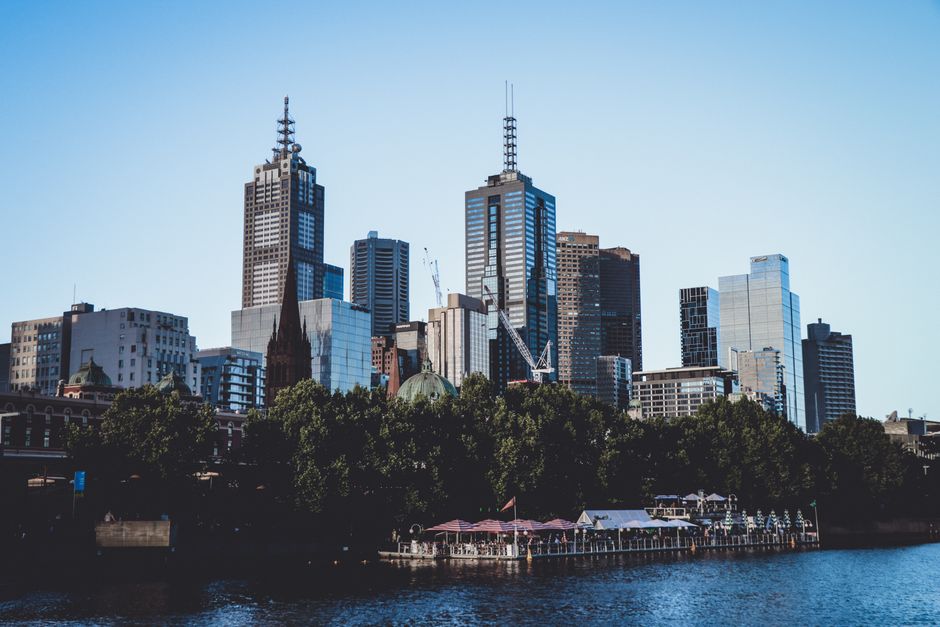
Sydney's business district is feeling the ripple effects of global turbulence in ways that go far beyond headline news. As tensions simmer across the Middle East and trade relationships remain in flux, local enterprises from Barangaroo to the inner west are grappling with real, measurable impacts on their operations and investment decisions.
The instability has hit logistics and import-dependent sectors hardest. Shipping costs through contested waterways have become unpredictable, forcing Sydney businesses to reassess supply chain vulnerabilities. A mid-market manufacturer operating from Marrickville recently revealed to colleagues that freight premiums have added 8-12 per cent to their quarterly costs—a margin many businesses in Australia's traditionally tight market cannot easily absorb. Tech companies clustering around Alexandria and Redfern are now factoring geopolitical risk directly into their capital expenditure planning.
Investment portfolios are shifting too. Financial advisory firms along Pitt Street have observed increased appetite for defensive assets and local growth plays, as institutional investors pull back from emerging market exposure. Currency volatility—particularly against the US dollar—has made it harder for Sydney-based exporters to forecast revenue and price competitively abroad. For a city whose economy depends heavily on international trade and foreign investment, that matters.
The human cost is equally real. Visa delays, heightened border scrutiny, and recruitment uncertainty are affecting Sydney's ability to attract skilled international talent. Several professional services firms in the CBD have quietly adjusted their hiring timelines, acknowledging that the global talent pipeline they once relied on is now less predictable. Commercial real estate agents report that some international investors are pausing acquisitions until political clarity improves.
Yet not every business is suffering equally. Defence contractors and locally-focused consumer services are seeing steady demand, even as exporters brace for headwinds. The divergence is creating a two-speed economy within Sydney itself—those tethered to global supply networks face pressure, while those serving domestic markets are holding relatively steady.
For Sydney's business community, the lesson is clear: globalisation remains a fact of life, but it is increasingly volatile. The businesses thriving over the next 18 months will be those that have already built flexibility into their models—diversified supply chains, hedged currency exposure, and realistic contingency planning. In a city built on international connectivity, managing global risk has become as essential as managing cash flow.
This article was compiled by AI from the sources linked above and screened before publishing. See our editorial standards.
How does this story make you feel?
Spread the word
About this article
Published by The Daily Sydney
Daily brief
Free, in your inbox before 7am. Weekdays.
More in Business