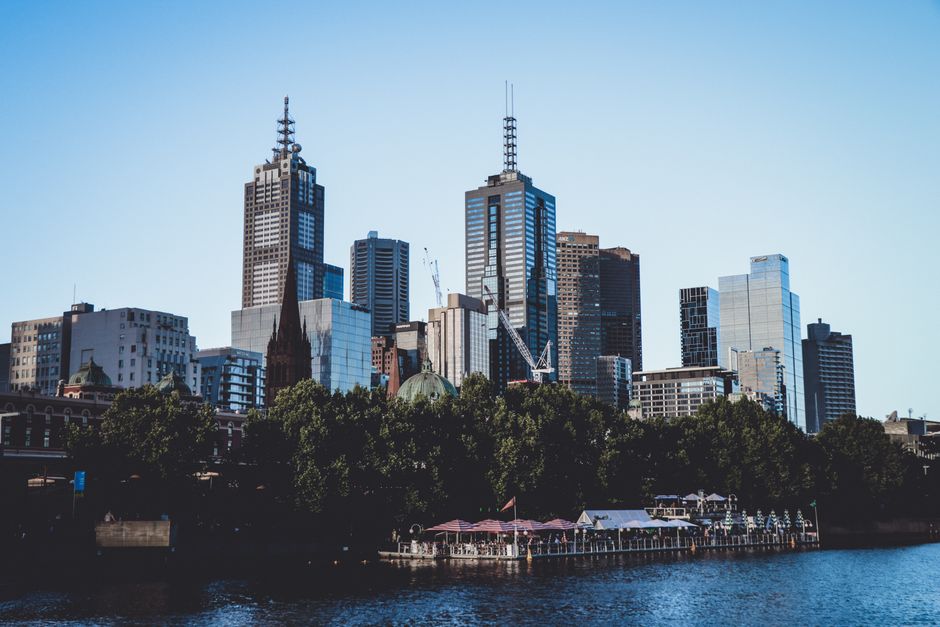
Walking through the gleaming towers of Sydney's CBD, you'd be forgiven for thinking the city's economic fortunes are detached from global upheaval. Yet the flows of foreign investment, commodity prices, and trade sentiment rippling through Martin Place and beyond tell a more complex story about where money moves in uncertain times.
The Australian dollar's recent volatility—trading between 0.66 and 0.69 against the US dollar—reflects broader economic currents. When geopolitical tensions spike, as they have repeatedly this year, investors typically seek refuge in commodity-backed currencies. Australia benefits from this flight-to-safety phenomenon, yet it creates headwinds for exporters based in Parramatta's manufacturing zones or agricultural hubs across regional NSW.
Trade flows paint the clearest picture. Iron ore, our largest export earner, has seen prices fluctuate between $100 and $130 per tonne depending on Chinese demand signals. For Sydney's major mining finance operations headquartered in offices around Hyde Park, these swings translate directly into deal pipelines. When commodity prices weaken, acquisition activity typically slows; when they strengthen, capital becomes available for infrastructure and resource projects.
The recent pattern matters locally. With global supply chains remaining fragile—disrupted by Middle Eastern tensions affecting shipping lanes and Asian manufacturing clusters—companies are reassessing where they source and manufacture goods. Some Sydney-based importers and logistics firms in Port Botany have diversified suppliers away from single regions, effectively hedging their own exposure.
Foreign direct investment into Australia has also shifted. While traditional sources like the United States and United Kingdom remain significant, Asian investors—particularly from Japan, Singapore, and South Korea—have increased their presence. Real estate around Barangaroo and the CBD has attracted this capital, with commercial property transactions suggesting sustained confidence despite headline volatility.
For business leaders based in Circular Quay's finance district or the tech precincts around Moore Park, understanding these indicators matters. Rising interest rate differentials between Australia and other developed economies influence borrowing costs. A widening gap typically attracts carry-trade capital—money borrowed cheaply overseas and invested locally at higher returns.
The lesson: in 2026, Sydney's business environment isn't isolated. Supply chain resilience, commodity price movements, currency fluctuations, and geopolitical risk premiums all flow through our economy. Those watching these signals carefully—tracking trade data, monitoring capital flows, and understanding how central banks respond to inflation and tension—gain clearer sight of where opportunities and threats emerge next.
This article was compiled by AI from the sources linked above and screened before publishing. See our editorial standards.