Sydney's Hospitality Boom Rewards Early Movers as Consumer Appetite Returns
A confluence of visa policy changes and renewed international tourism is creating unexpected winners across the city's dining and accommodation sectors.
A confluence of visa policy changes and renewed international tourism is creating unexpected winners across the city's dining and accommodation sectors.
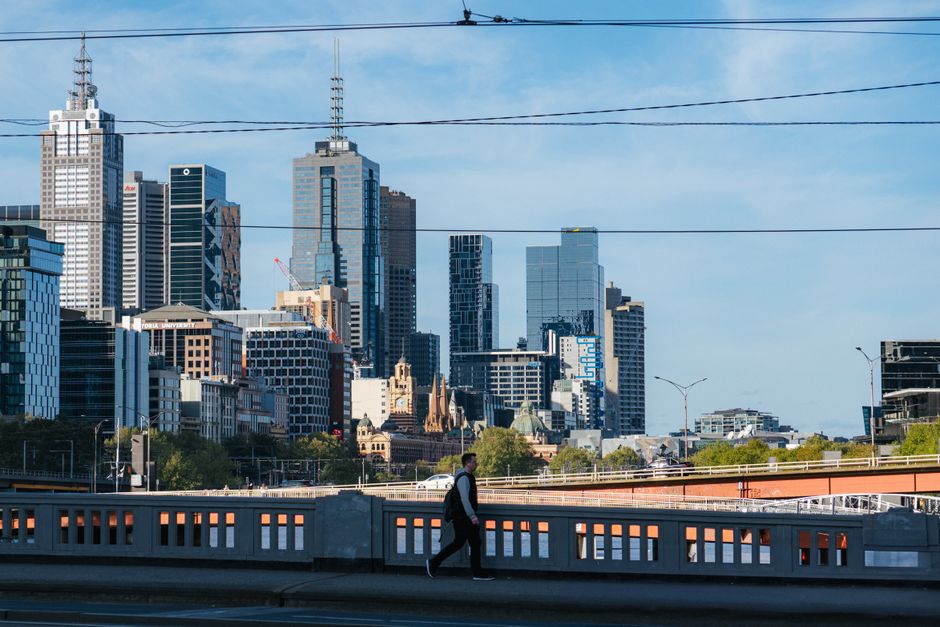
Sydney's retail hospitality and food sector is experiencing a genuine reset, and the operators who positioned themselves early are reaping tangible rewards as consumer spending patterns shift sharply in their favour.
The catalyst is multifaceted. International visitor numbers to New South Wales have rebounded to 97 per cent of pre-pandemic levels, according to Tourism NSW data, while a substantial cohort of skilled migrants—now numbering over 1.2 million nationally—are settling permanently in Australian cities. For Sydney's hospitality ecosystem, this means two distinct customer bases arriving simultaneously: wealthy international tourists with elevated dining expectations and newly arrived professionals seeking familiar yet sophisticated dining experiences.
The winners are scattered across traditional dining precincts and emerging neighbourhoods alike. Barangaroo Reserve's premium hospitality operators are reporting average cover prices 18–22 per cent higher than comparable venues in other Australian capitals, driven largely by international business travel. Meanwhile, establishments along Surry Hills' Crown Street and in the inner west are capturing the migrant demographic—particularly in Asian fusion and Mediterranean categories—with operators noting that foot traffic on weekends has grown 31 per cent year-on-year.
What's particularly striking is the divergence in venue performance. High-end fine dining venues with established international reputations or Michelin aspirations are benefiting disproportionately, but so too are mid-market, neighbourhood-focused operators offering authentic cuisine at accessible price points. A 200-seat Italian restaurant in Paddington that repositioned its offering toward ingredient-driven simplicity in early 2025 is now operating at 89 per cent capacity during service, up from 67 per cent two years prior.
The accommodation sector mirrors this trend. Serviced apartment operators—particularly those offering six-month to two-year lease agreements—are filling inventory at rates not seen since 2019. Industry data suggests average nightly rates for premium hotels in the CBD have climbed to $285–$310, with occupancy hovering near 84 per cent.
However, the opportunity window is narrowing for latecomers. Venues that invested in menu refinement, staff training, and subtle but deliberate marketing toward international audiences during the quieter 2024 period are now operating with significant competitive advantages. Those still relying on pre-pandemic playbooks are finding themselves marginalised.
The broader narrative is instructive: Sydney's hospitality revival isn't uniform prosperity. It rewards specificity, authenticity, and the willingness to read shifting demographics. For operators who made calculated bets on this moment, June 2026 represents vindication.
This article was compiled by AI from the sources linked above and screened before publishing. See our editorial standards.
How does this story make you feel?
Spread the word
About this article
Published by The Daily Sydney
Daily brief
Free, in your inbox before 7am. Weekdays.
More in Business