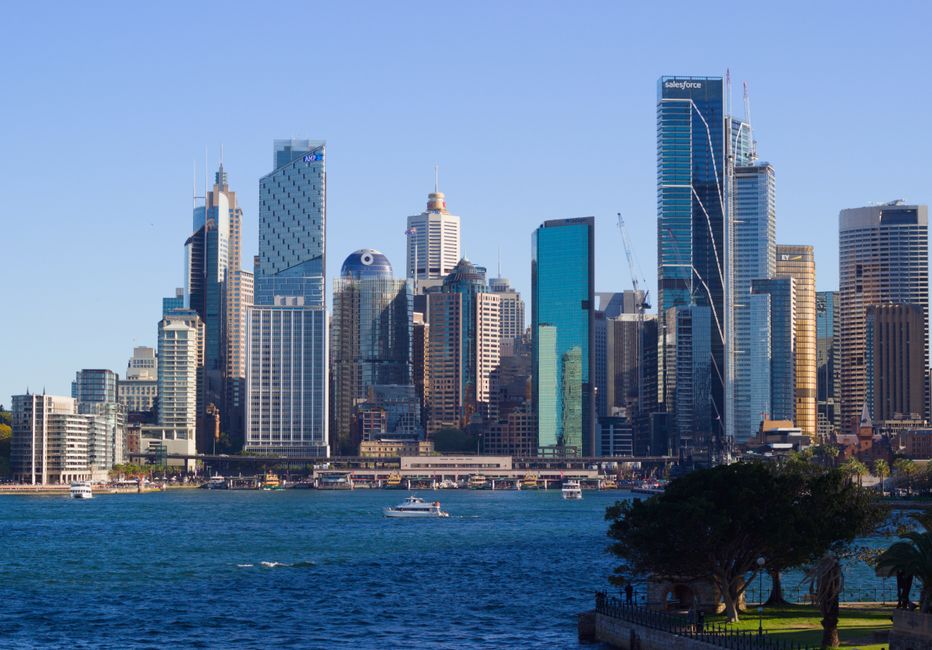
Sydney's recruitment landscape is undergoing a seismic shift. The culprit? A cost-of-living squeeze so severe that even well-paid professionals are reconsidering their futures in the city, forcing businesses to fundamentally reimagine how they attract and retain talent.
The numbers tell a stark story. A one-bedroom apartment in Surry Hills now averages $2,850 per month—a 23 per cent jump in two years. Meanwhile, median salaries for mid-level finance and tech roles in the CBD have grown just 8 per cent over the same period, creating an unsustainable gap. For junior staff in Barangaroo or the North Sydney office precinct, the mismatch is even grimmer: entry-level finance salaries hover around $65,000 while renting a modest flat in nearby Neutral Bay consumes 40 per cent of gross income.
The result? Sydney's professional workforce is migrating. Recruitment firms report that talent pipelines to Melbourne and Brisbane have intensified, while a growing number of mid-career professionals are exploring permanent remote arrangements with international employers—a phenomenon virtually unknown three years ago. One major accounting firm recently lost an entire cohort of senior accountants to Brisbane, where housing costs are substantially lower.
Employers are responding with creative desperation. Companies across Martin Place and Pitt Street are now offering subsidised housing arrangements, expanded work-from-home policies, and salary packages designed to offset cost-of-living pressures. Some are relocating satellite offices to the inner west—Marrickville and Alexandria—to reduce commute times and associated costs for staff. Others are abandoning traditional office hierarchies entirely, offering four-day weeks or compressed schedules to boost take-home pay without proportional salary increases.
The professional services sector, which underpins Sydney's CBD economy, faces particular strain. Major consulting and investment firms report increased attrition among graduate recruits and emerging leaders, directly threatening their ability to service clients and maintain institutional knowledge. Graduate recruitment targets for 2026-2027 are being quietly scaled back across several major players.
Meanwhile, the talent flight is creating unexpected opportunities in secondary markets. Parramatta and Penrith employers report growing interest from Sydney-based professionals willing to trade longer commutes for dramatically lower housing costs and reduced pressure on household budgets. The structural resilience of Sydney's economy increasingly depends on whether businesses can reimagine work itself—or whether the city will gradually lose the talent that made it a global financial hub in the first place.
This article was compiled by AI from the sources linked above and screened before publishing. See our editorial standards.