Sydney's Wealth Gap Drives Mid-Tier Worker Exodus Amid Rising Costs
Australia's third-place global wealth ranking masks a widening divide that's forcing Sydney employers to compete harder for mid-tier workers fleeing the city's financial squeeze.
Australia's third-place global wealth ranking masks a widening divide that's forcing Sydney employers to compete harder for mid-tier workers fleeing the city's financial squeeze.
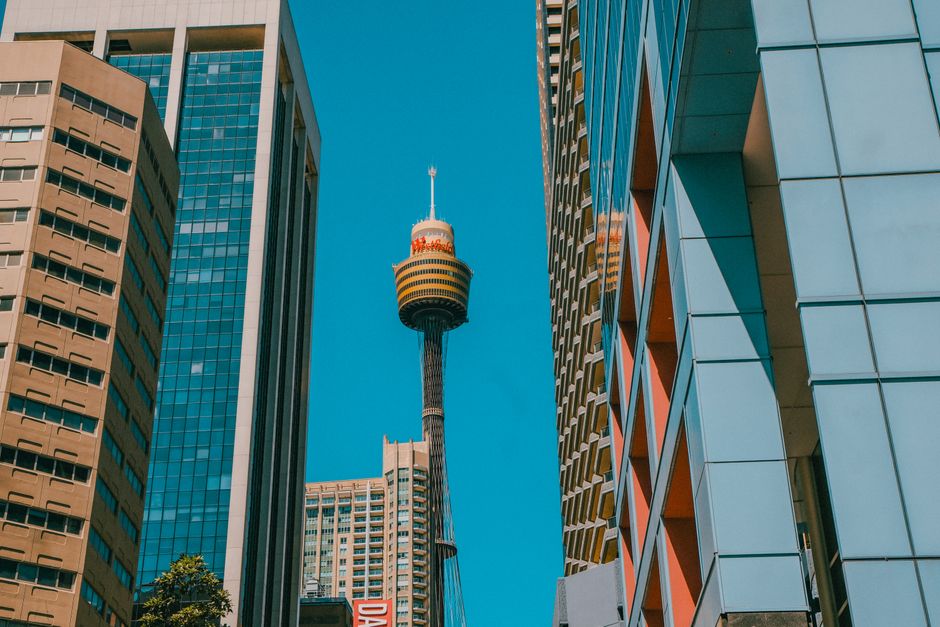
Sydney's gleaming CBD towers and inner-city prosperity mask a talent crisis quietly reshaping the city's employment landscape. While Australia ranks among the world's wealthiest nations per capita, the concentration of that wealth is creating a bifurcated job market in Australia's largest metropolis—one increasingly hostile to the middle-income earners who traditionally powered the city's professional services sector.
The numbers tell a stark story. Median house prices in established suburbs like Paddington and Potts Point have surpassed $2 million, while inner-west neighbourhoods such as Marrickville—long considered affordable alternatives—now command $1.3 million-plus. For workers earning $100,000 to $150,000 annually, the mathematics of Sydney living have become brutal. A 15-20 per cent migration of mid-level finance, technology and professional services workers to regional centres and interstate capitals over the past two years represents the sharpest talent drain since the early 2000s, according to recruitment consultants operating from offices along Macquarie Street.
The pressure is creating unexpected opportunities and challenges. Premium consulting firms, accounting practices and investment banks headquartered in the Financial District are now competing on flexibility, remote work arrangements and relocation packages to retain analysts, project managers and junior associates who previously saw Sydney as non-negotiable for career advancement.
Meanwhile, emerging business hubs in Newcastle, Brisbane and Melbourne are explicitly targeting Sydney's mid-career professionals, offering lower living costs combined with comparable salaries. Local recruitment agencies report increased inquiries from Sydney-based workers aged 28-38—precisely the demographic traditionally locked into Sydney's career trajectory by network effects and employer concentration.
The paradox is striking: even as Australia's headline wealth position improves, Sydney's relative cost of living has deteriorated sharply against peer global cities. An entry-level professional in Manhattan or Singapore faces proportionally lower housing costs relative to salary than their Sydney counterpart, yet Sydney offers neither the density of mega-corporations nor the infrastructure investments those cities command.
Industry insiders suggest this reshaping represents the most significant structural change to Sydney's labour market in a decade. Employers are responding by expanding satellite offices in the Central Coast and South Coast, while some are restructuring roles to emphasise hybrid arrangements. The city's vaunted talent advantage—built on agglomeration and proximity—is being actively deconstructed by simple economics.
For Sydney's business establishment, the message is uncomfortable: prosperity concentrated at the top tier isn't sufficient to anchor a thriving, diverse workforce. Without intervention on housing and cost pressures, the city risks becoming a destination for the wealthy and newly graduated only—a concerning contraction of the talent pipeline that has historically powered Australian business innovation.
This article was compiled by AI and screened before publishing. See our editorial standards.
How does this story make you feel?
Spread the word
About this article
Published by The Daily Sydney
Daily brief
Free, in your inbox before 7am. Weekdays.
More in Business