Sydney's Small Business Boom Reshapes Local Economy and Your Wallet
As new enterprises flourish across the city's neighbourhoods, residents should understand how grassroots entrepreneurship is reshaping everything from retail to services.
As new enterprises flourish across the city's neighbourhoods, residents should understand how grassroots entrepreneurship is reshaping everything from retail to services.
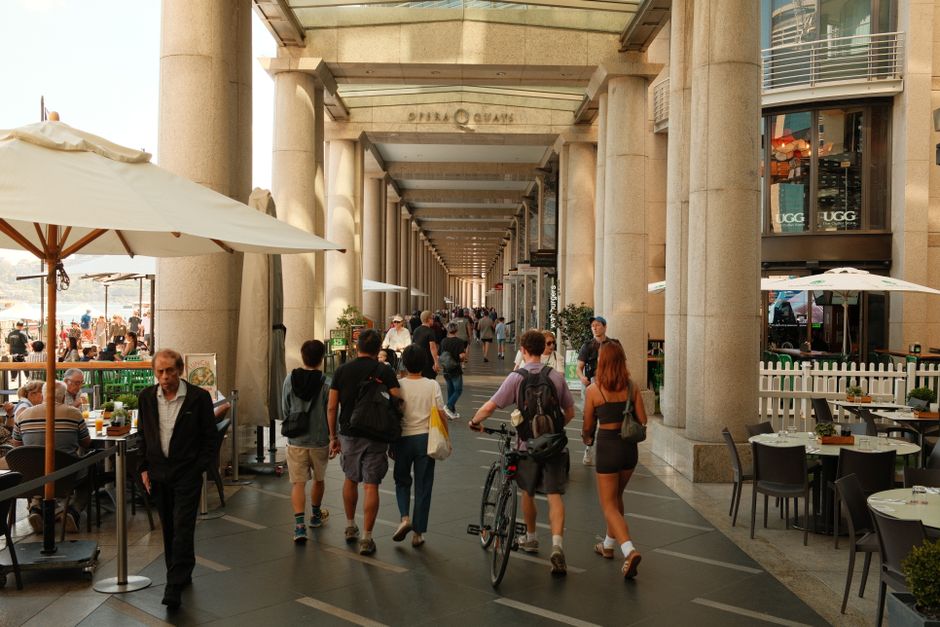
Walk down King Street in Newtown or browse the laneways around Surry Hills, and you'll notice something unmissable: Sydney's small business landscape is thriving. But what does this mean for everyday residents and their wallets?
Recent economic data suggests Australia's wealth position—ranked third globally according to latest figures—has created fertile ground for entrepreneurial ventures. In Sydney specifically, the Australian Bureau of Statistics reports that small business employment now accounts for roughly 44 per cent of the private sector workforce. This isn't abstract economics; it translates directly to local job creation, competitive pricing, and the character of your neighbourhood.
Consider the practical implications. Small retailers and service providers in inner-city suburbs like Glebe, Marrickville, and Paddington often undercut larger chains on price while offering personalised service. A coffee roaster in Alexandria or a boutique fitness studio in Redfern can adapt quickly to customer demand in ways corporations cannot. This competition benefits you—better prices, fresher products, and genuinely local options.
However, residents should also understand the vulnerabilities. Small business owners operate on tighter margins than multinationals. Rent increases in sought-after areas remain a persistent challenge. A recent survey by the NSW Small Business Commissioner found that 62 per cent of small business operators cited rising commercial rents as their biggest concern. When costs spike, these enterprises sometimes close or relocate, changing the fabric of neighbourhoods.
Supply chain resilience matters too. The government's recent moves to secure fertiliser supply reflect broader concerns about economic self-sufficiency. For small producers and farmers supplying Sydney's markets and restaurants, this kind of policy directly affects their viability and your access to fresh, locally-sourced goods.
There's also the consumer responsibility angle. When you shop at a family-owned business in Double Bay or eat at an independent restaurant in Barangaroo, you're typically supporting local wages and reinvestment in the community. Research suggests small business owners spend approximately 90 cents of every dollar earned back in their local economy, compared to roughly 40 cents for large corporations.
The takeaway: Sydney's small business ecosystem isn't just feel-good localism. It's a practical network affecting prices, employment, neighbourhood vitality, and economic resilience. Supporting these enterprises—whether deliberately choosing the independent café over the chain, or simply understanding why they matter—is an investment in your own community's future. As our city grapples with housing pressures and cost-of-living challenges, small businesses often provide nimble, competitive alternatives that can make everyday life more affordable and neighbourhoods more distinctive.
This article was compiled by AI and screened before publishing. See our editorial standards.
How does this story make you feel?
Spread the word
About this article
Published by The Daily Sydney
Daily brief
Free, in your inbox before 7am. Weekdays.
More in Business