Sydney's commercial property sector is navigating treacherous waters in 2026, caught between mounting structural headwinds that show little sign of easing. After years of robust growth, office landlords across the CBD and inner-ring suburbs are contending with a toxic combination of elevated interest rates, persistent tenant uncertainty, and a growing exodus of tenants to secondary markets.
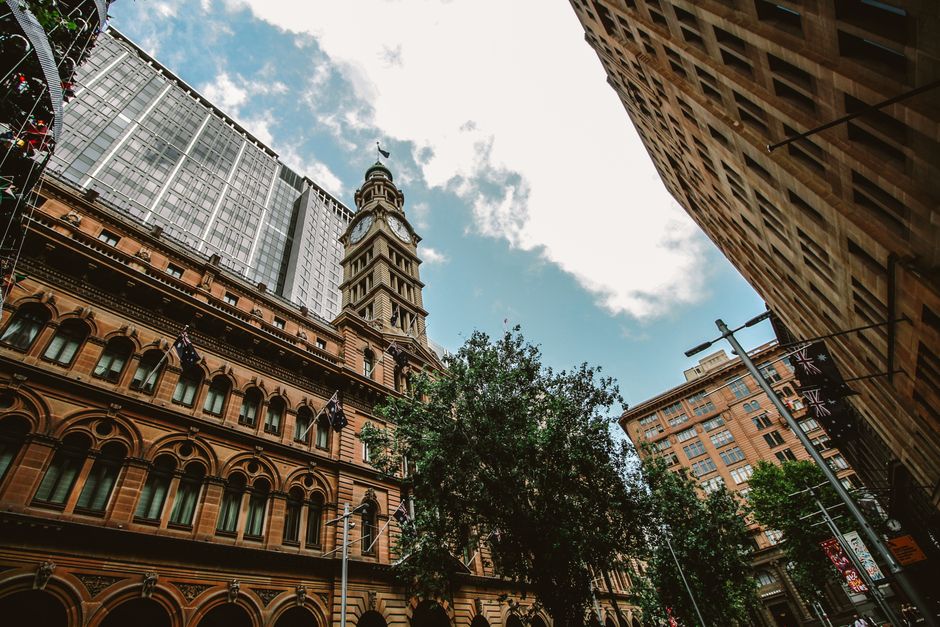
The challenges are most acute in the heart of the CBD, where vacancy rates have climbed to levels not seen since the pandemic recovery. Pitt Street and Martin Place—traditionally Sydney's most premium addresses—are feeling the strain as major corporates reassess their real estate footprints. Knight Frank's latest commercial market report suggests Sydney's overall office vacancy rate has drifted above 8 per cent, a significant jump from the 5.2 per cent recorded in late 2024.
The economic backdrop has sharply deteriorated for developers and landlords. Refinancing maturing debt at current interest rates has become substantially more expensive, squeezing returns on major holdings. Properties that traded hands at inflated valuations during the cheap money era are now underwater, forcing some owners into distressed sales or extended holding periods they hadn't anticipated.
Tenant behaviour has fundamentally shifted. The hybrid work model, once thought temporary, has solidified into permanent practice. Tenants are downsizing, renegotiating leases downward, or decamping entirely to emerging precincts like Parramatta and Chatswood, where rents remain 30-40 per cent cheaper than the CBD. Some major financial services firms that once anchored Barangaroo and the North Sydney waterfront have consolidated operations, leaving entire floors vacant.
The flight to secondary centres reflects not just cost pressure but evolving business thinking about proximity to markets and talent pools. Parramatta's emerging tech and professional services hub has absorbed relocations that might have otherwise stayed within Sydney's traditional CBD geography.
For property managers, the situation demands creative solutions. Some are investing heavily in amenity upgrades—rooftop spaces, collaborative work zones, wellness facilities—to justify rental premiums and attract tenants reluctant to commit long-term. Others are accepting lower rents for longer leases to secure income certainty.
The broader context matters too. Australia's ranking as the third-wealthiest nation globally masks significant sectoral disparity. While household wealth concentration remains elevated, commercial property—once a wealth-creation engine—has become a source of anxiety for institutional and private investors alike.
Recovery, most analysts suggest, requires either meaningful interest rate relief or a dramatic shift in corporate real estate strategy. For now, Sydney's office market remains in a holding pattern, waiting for clarity that shows no immediate sign of arriving.
This article was compiled by AI and screened before publishing. See our editorial standards.