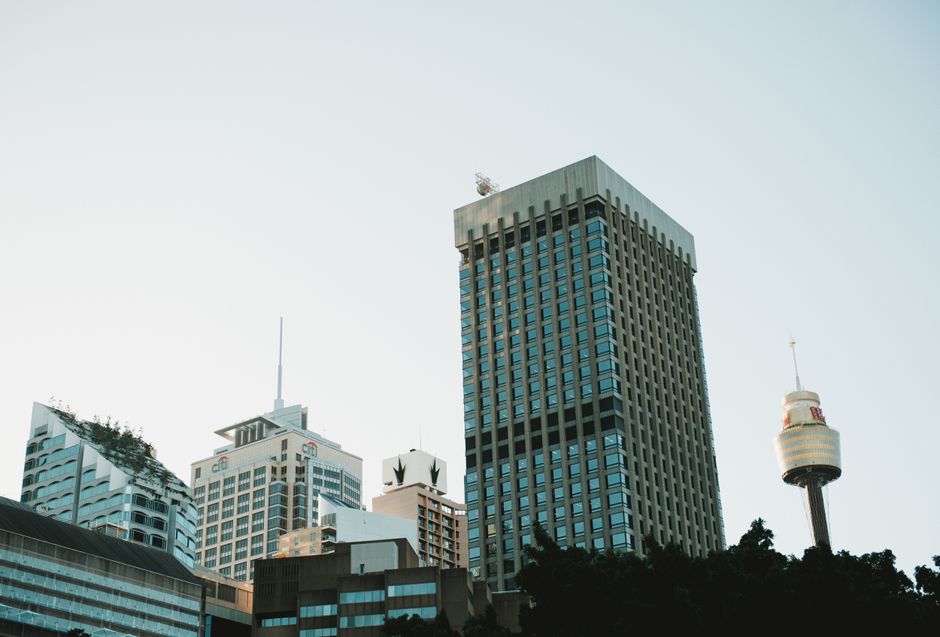
Sydney CBD Office Vacancy Surges as Hybrid Work Reshapes Leasing Landscape
As hybrid work reshapes demand and vacancy rates climb across the CBD, commercial tenants face a dramatically different leasing landscape than pre-pandemic.
As hybrid work reshapes demand and vacancy rates climb across the CBD, commercial tenants face a dramatically different leasing landscape than pre-pandemic.
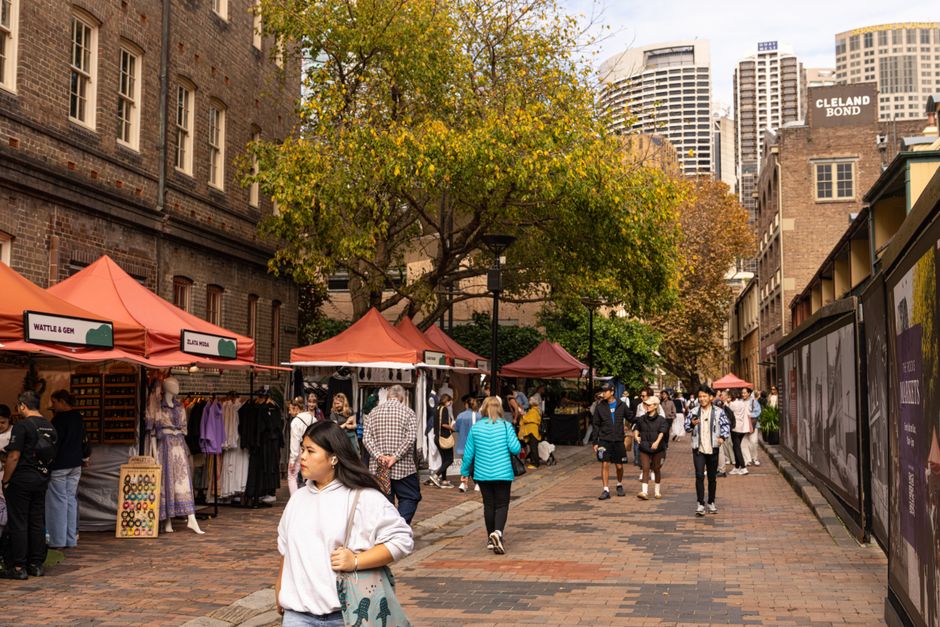
Sydney's commercial property market is undergoing a fundamental reset, and business leaders navigating lease renewals or expansion plans need to understand the shifting dynamics reshaping the CBD and inner-city office landscape.
Vacancy rates across Sydney's prime office precincts—particularly around Pitt Street, Martin Place, and Barangaroo—have climbed significantly since 2024, with landlords increasingly willing to negotiate on terms after years of tenant scarcity. The shift reflects a persistent reality: hybrid working arrangements have permanently altered how much office space companies actually need. Major corporates are consolidating their footprints, while smaller businesses are questioning whether CBD presence remains essential at all.
What does this mean practically? Tenants currently have leverage they lacked three years ago. Incentives packages—including rent-free periods, fitout contributions, and flexible lease terms—are becoming standard negotiating points rather than exceptions. However, premium A-grade office space in trophy buildings along the Harbour precinct remains relatively resilient, suggesting a two-tier market is crystallising: strong demand for best-quality, well-located stock, and softer conditions for secondary and tertiary CBD addresses.
The pricing picture is equally nuanced. While Sydney's median office rents have stabilised after declining through 2024-25, price variation by location and building quality has widened considerably. Inner West and Eastern Suburbs precincts like Surry Hills and Parramatta are attracting businesses seeking lower occupancy costs and easier employee access, though these markets lack the critical mass and service depth of traditional CBD clusters.
For growing tech and professional services firms—sectors that typically drive Sydney's commercial demand—the current environment offers an opportunity to secure prime space at more reasonable rates than recent years allowed. However, the long-term question hanging over the market remains unresolved: how much office space will Sydney actually need once remote and hybrid arrangements become fully normalised across the workforce?
Property managers and business groups note that companies should be strategically reviewing their space requirements now rather than waiting for lease maturity. The negotiating position available today may tighten if economic conditions strengthen or if major corporates decide to consolidate further, reducing total CBD demand.
For commercial property owners, these trends signal a need to differentiate through amenity quality, sustainability credentials, and flexible space design—features increasingly influencing tenant retention and attraction in a softer market.
This article was compiled by AI and screened before publishing. See our editorial standards.
How does this story make you feel?
Spread the word
About this article
Published by The Daily Sydney
Daily brief
Free, in your inbox before 7am. Weekdays.
More in Business