Sydney Restaurant Compliance Costs Rise: Food Labelling Impact
Sydney hospitality faces new food labelling compliance costs and supply chain delays. Learn how regulatory changes affect CBD, Surry Hills restaurants and independent venues.
Sydney hospitality faces new food labelling compliance costs and supply chain delays. Learn how regulatory changes affect CBD, Surry Hills restaurants and independent venues.
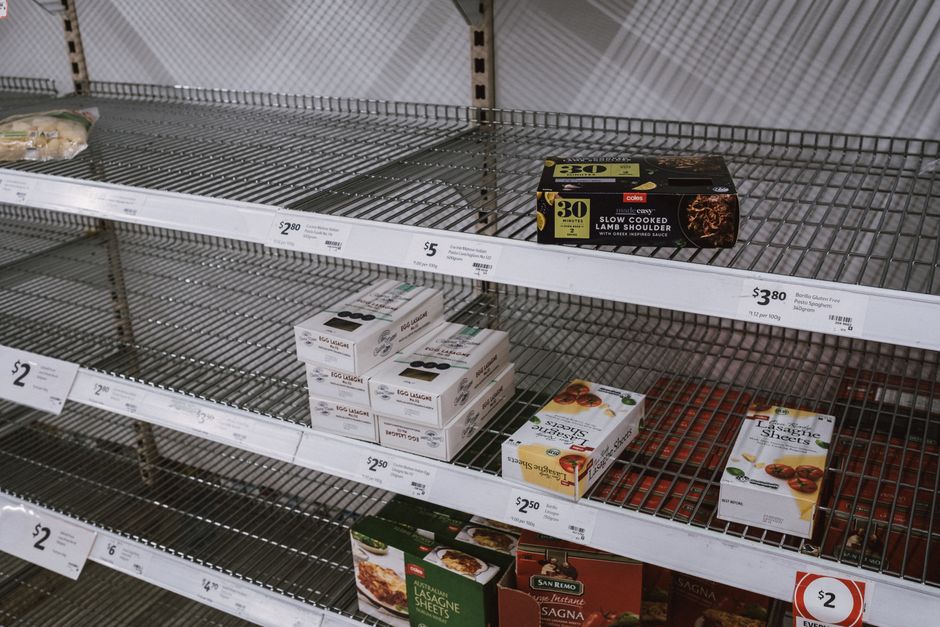
Sydney's hospitality and food sector is bracing for a wave of operational headwinds triggered by tightening global standards on consumer protection and corporate accountability. Fresh enforcement actions overseas—particularly around misleading labelling practices—are sending ripples through local supply chains and forcing venue operators to reassess their compliance frameworks at a time when margins are already under pressure.
The regulatory crackdown is particularly acute for independent operators clustered in high-traffic precincts like the CBD, Surry Hills, and Barangaroo. Venues sourcing dairy products, prepared foods, and imported ingredients face stricter verification requirements that add weeks to procurement cycles and push administrative costs higher. One established Potts Point restaurateur noted that suppliers are now demanding enhanced documentation for products that previously required only basic certification—a change that filters down to menu costs.
The broader context makes this timing challenging. Australia's rank among the world's wealthiest nations, with median household wealth sitting near the top globally according to recent data, masks significant pressure on discretionary spending. Sydney diners remain selective, and any uptick in menu pricing risks eroding the competitive advantage that local venues enjoy in an increasingly crowded market.
Data privacy failures affecting major payment processors—including high-profile security breaches that have triggered government intervention—are also reshaping how restaurants manage customer transactions. Implementing enhanced compliance systems and cybersecurity measures represents another unplanned capital expenditure for hospitality operators already navigating labour shortages and rising rent in precincts like Darling Harbour and Newtown.
Industry bodies representing cafés, casual dining, and fine-dining establishments across Sydney are quietly lobbying for staged compliance timelines, arguing that simultaneous regulatory pressure from multiple directions risks destabilising the sector. The timing is particularly fraught given that many venues are still recovering from earlier disruptions and operating on tighter cash reserves.
What remains clear is that Sydney's reputation as a premier dining destination depends on maintaining both quality and trust. The current regulatory environment is forcing operators to choose between absorbing compliance costs—pressuring profitability—or passing them to consumers through price increases that may dampen demand. For a city that prides itself on world-class hospitality, the coming months will test whether venues can navigate this global headwind without losing the competitive edge that has made Sydney's food scene a draw for both locals and visitors.
This article was compiled by AI and screened before publishing. See our editorial standards.
How does this story make you feel?
Spread the word
About this article
Published by The Daily Sydney
Daily brief
Free, in your inbox before 7am. Weekdays.
More in Business