Sydney's Job Market Reveals Where Economy Heads in 2026
Rising wealth concentration and sector-specific hiring patterns reveal where Sydney's economy is really heading in 2026.
Rising wealth concentration and sector-specific hiring patterns reveal where Sydney's economy is really heading in 2026.
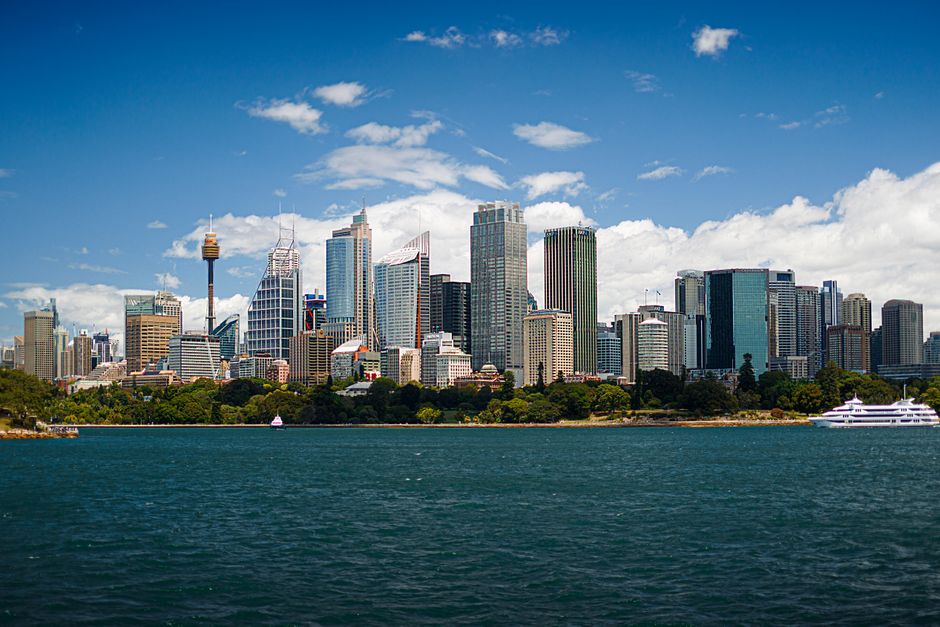
Sydney's employment landscape is undergoing a subtle but significant recalibration, with fresh economic data offering clues about which industries are attracting investor dollars and where job growth will cluster over coming months.
The latest UBS global wealth report, placing Australia third globally for median wealth, masks important regional dynamics playing out across the Harbour City. While aggregate wealth figures look robust, investment flows are increasingly selective, favouring technology and financial services hubs in the CBD and inner west corridors, while traditional sectors face headwinds.
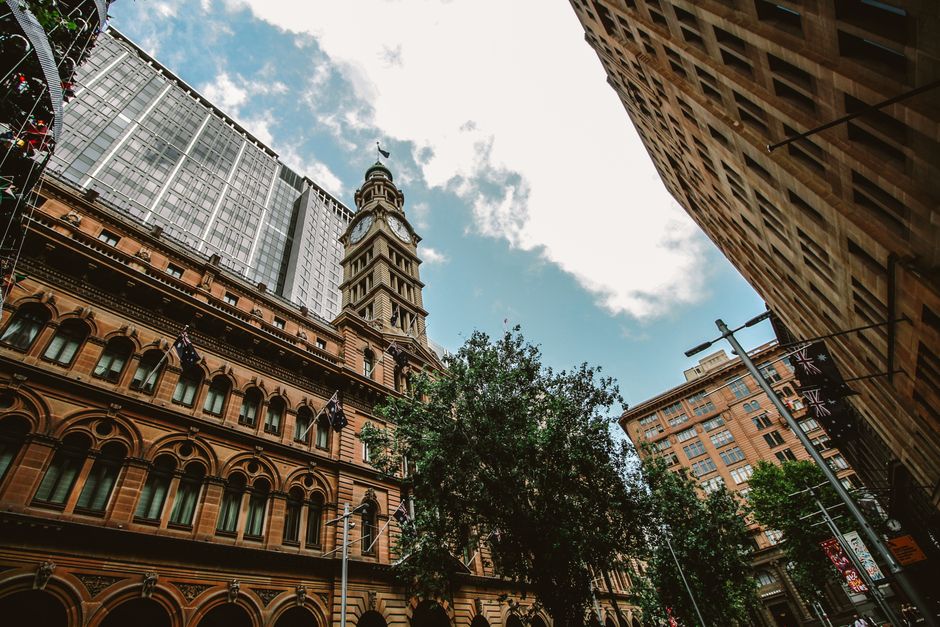
Downtown Sydney—particularly around Martin Place and the Barangaroo precinct—continues attracting significant capital inflows. Major financial institutions and tech firms have expanded footprints in these zones, supporting consistent hiring in compliance, data analytics, and software development roles. Recruitment specialists report median salaries for experienced finance technology professionals in these areas hovering around $160,000–$180,000, reflecting competitive talent wars.
The picture differs markedly in outer suburbs. Parramatta, once positioned as a secondary CBD, shows softer employment momentum. While council-backed development continues, private sector investment has plateaued compared to 2024 levels. Manufacturing and logistics roles—traditional employment anchors—face automation pressures, though suburban warehouse and distribution facilities near the M7 motorway corridor report stable, if unspectacular, hiring.
Retail and hospitality, heavily concentrated around Pitt Street Mall and entertainment districts, remain employment-intensive but increasingly casualised. Award restructuring and penalty rate changes announced earlier this year have shifted hiring patterns toward contract and part-time arrangements, affecting job security metrics tracked by the ABS.
What investment flows reveal most clearly is capital's preference for high-margin, scalable operations. Venture capital deployment in Surry Hills and Alexandria tech precincts hit record levels in Q1 2026, signalling investor confidence in knowledge economy roles. Conversely, traditional manufacturing suburbs like Auburn and Smithfield saw modest private sector investment, with job creation there primarily government-dependent.
For workers, this translates to a two-tiered labour market. Inner-city professionals enjoy robust opportunities and competitive remuneration, while outer-west residents face longer commutes to secure comparable positions. The median house price differential—$1.85 million inner west versus $680,000 in Penrith—underscores this geographic employment divide.
Economic indicators suggest this trend will persist. Interest rate expectations, business confidence surveys, and property investment patterns all point toward continued capital concentration in CBD-adjacent zones through 2027. Job seekers should monitor these flows closely; they're signalling where sustainable employment growth will actually occur, regardless of what headline unemployment figures suggest.
This article was compiled by AI and screened before publishing. See our editorial standards.
How does this story make you feel?
Spread the word
About this article
Published by The Daily Sydney
Daily brief
Free, in your inbox before 7am. Weekdays.
More in Business