Sydney's Office Market Sends Mixed Signals: What Economic Indicators Really Tell Investors
Rising vacancy rates and shifting capital flows are reshaping the CBD landscape, but savvy investors are reading between the lines.
Rising vacancy rates and shifting capital flows are reshaping the CBD landscape, but savvy investors are reading between the lines.
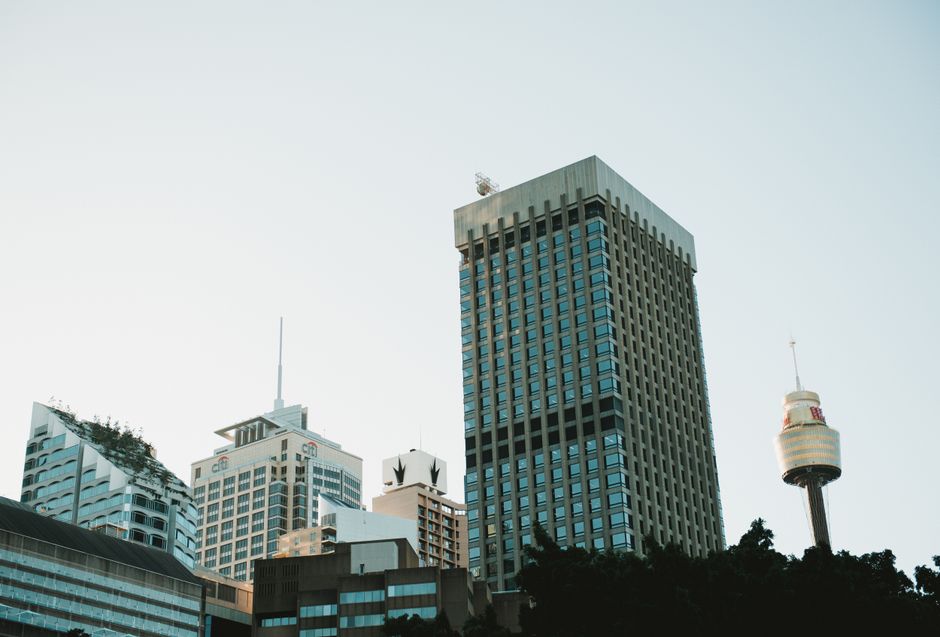
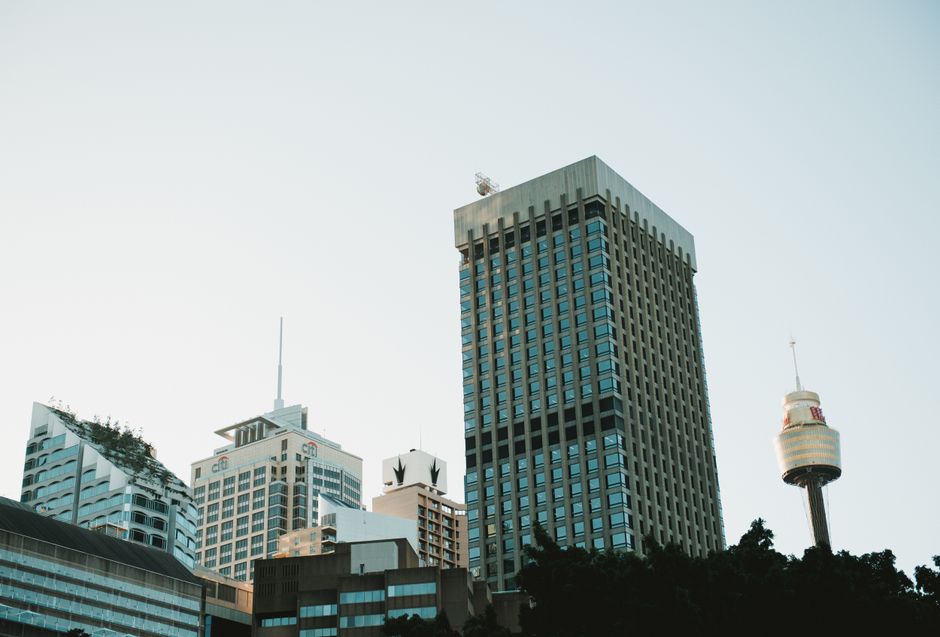
Sydney's commercial property market is at a crossroads, with economic headwinds and changing investment patterns creating a complex picture for those trying to decode where capital will flow next.
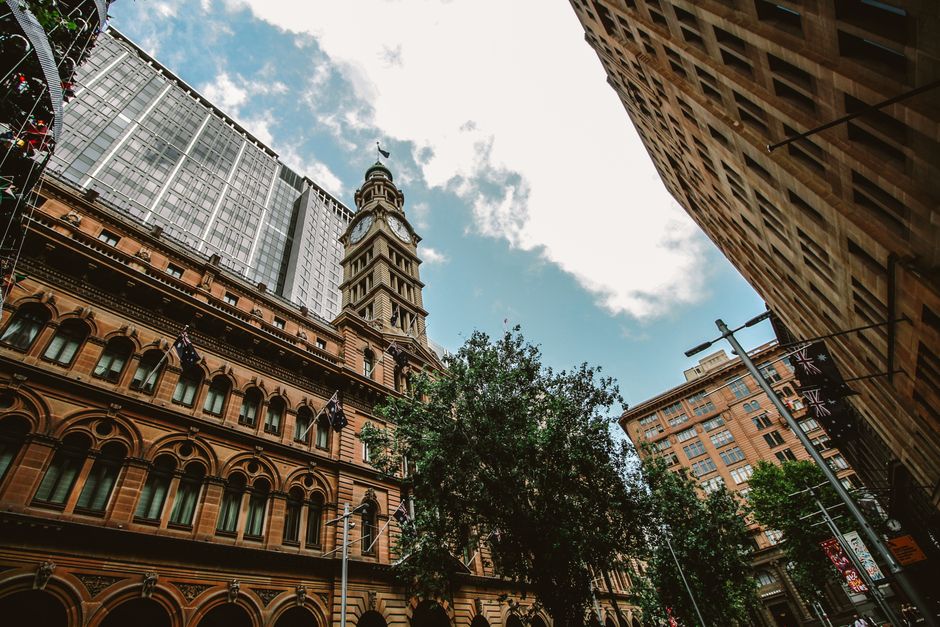
The latest data reveals vacancy rates in the CBD pushing towards 12 per cent—particularly acute in the Pitt Street and Martin Place precincts—a significant shift from the sub-10 per cent figures seen pre-pandemic. Yet this headline statistic masks a more nuanced reality that tells investors much about where opportunities lie.
According to major institutional investors monitoring the market, the divergence between prime-grade and secondary office stock has widened considerably. Properties in sought-after locations like Barangaroo, where major financial institutions have anchored long-term leases, maintain stronger occupancy and commanding rents around $650-750 per square metre annually. Meanwhile, aging stock in less connected areas struggles to attract tenants at comparable rates.
The economic indicators driving these patterns warrant closer examination. Australia's strong median wealth position—recently highlighted in global comparisons—suggests capital availability for investment. However, domestic investors are increasingly cautious. Rising interest rates have made the mathematics of property yields less attractive, particularly for older buildings requiring significant capital expenditure.
Foreign investment flows tell a different story. Overseas capital, particularly from North Asia and Europe, continues targeting trophy assets and mixed-use developments. The successful pre-leasing campaigns for new Grade A office towers in the inner west around Alexandria and Rosebery signal where global money sees long-term value, driven by proximity to tech hubs and younger workforce demographics.
Transaction volumes across the Sydney market declined 23 per cent year-on-year, but deal sizes for institutional-quality assets remained robust. This bifurcation—fewer deals overall, but substantial cheques for quality properties—reflects a market consolidating around fundamentals rather than sentiment.
The broader economic context matters. While consumer confidence wobbles and business investment shows tentative growth, structural demand factors favour certain Sydney precincts. The CBD's ongoing transformation, with residential conversion approvals and hospitality expansion along Circular Quay and Barangaroo, creates secondary demand for supporting commercial space.
What does this mean for investors? The indicators suggest selectivity beats broad exposure. Properties with strong ESG credentials, flexible lease structures, and locations supporting emerging sectors—professional services, fintech, media—attract capital at firmer valuations. Conversely, traditional office space in secondary locations faces headwinds unless repositioning strategies emerge.
As Sydney's economic position strengthens globally, the local property market is signalling that proximity to opportunity, quality of asset, and forward-thinking management matter more than ever.
This article was compiled by AI and screened before publishing. See our editorial standards.
How does this story make you feel?
Spread the word
About this article
Published by The Daily Sydney
Daily brief
Free, in your inbox before 7am. Weekdays.
More in Business