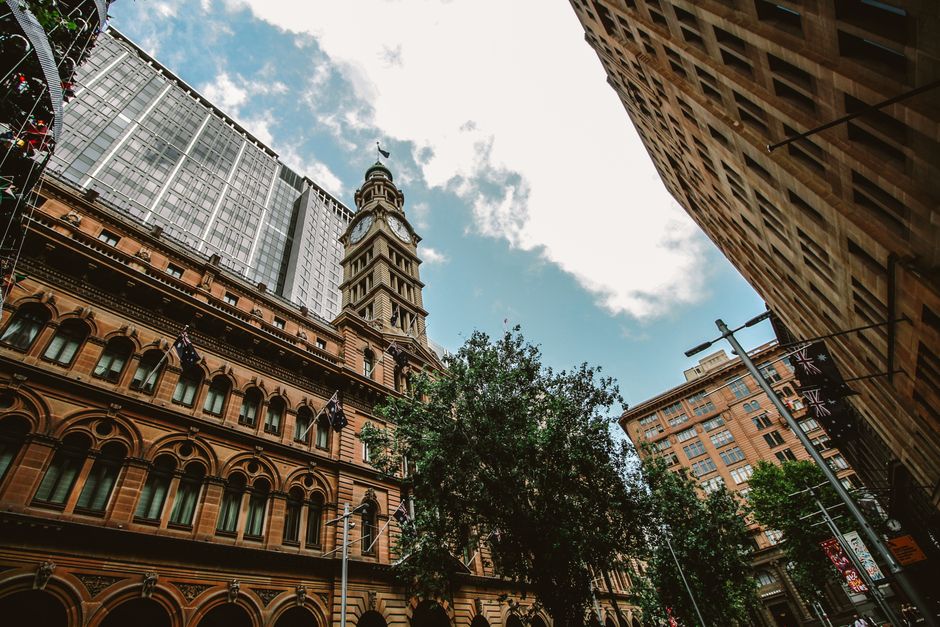
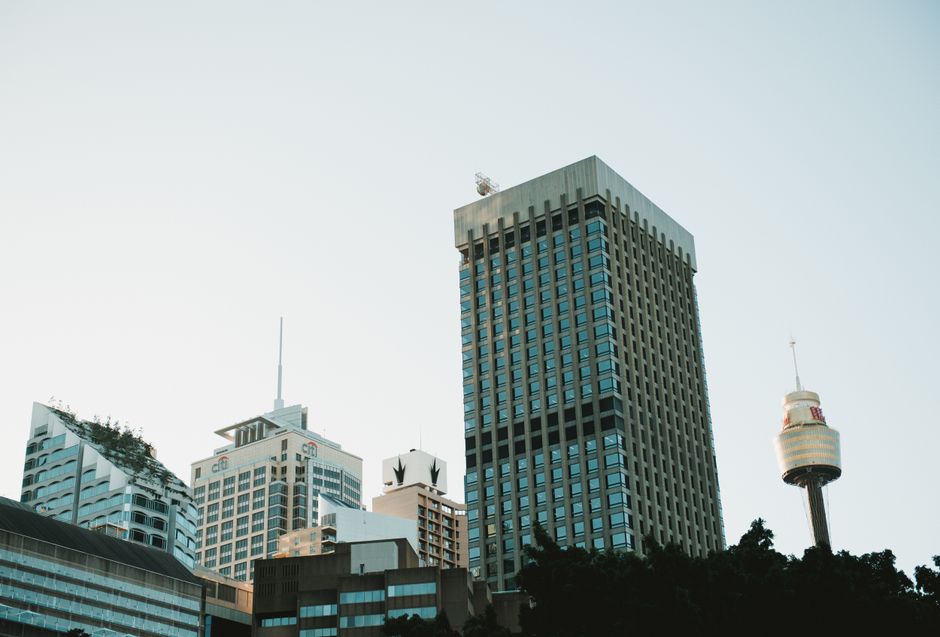
Sydney's hybrid work revolution is reshaping who gets hired—and where they live
As major employers across the CBD embrace flexible arrangements, the city's talent competition is heating up in unexpected pockets.
As major employers across the CBD embrace flexible arrangements, the city's talent competition is heating up in unexpected pockets.
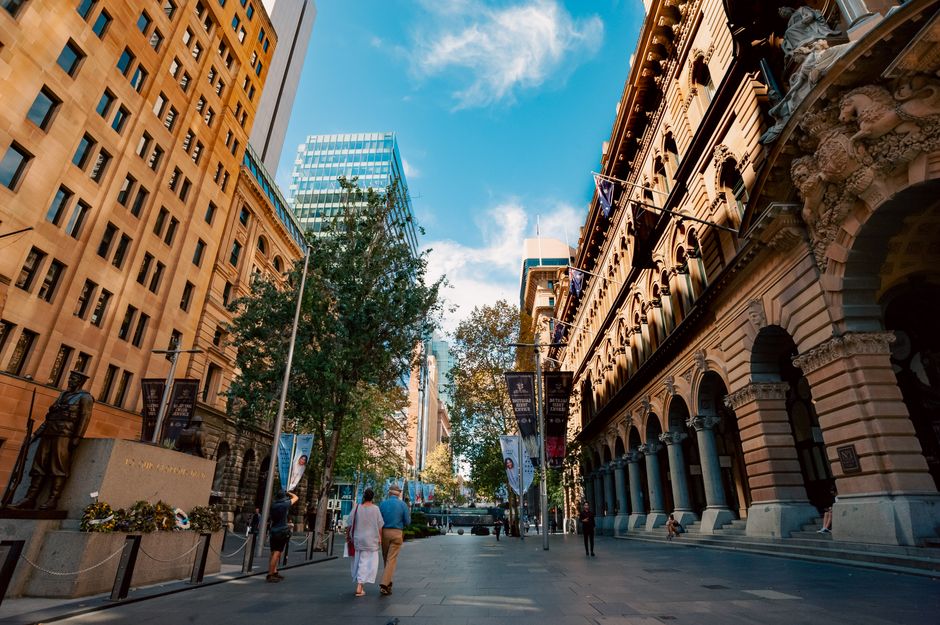
Sydney's employment landscape is undergoing a seismic shift, with the normalisation of hybrid and remote work fundamentally rewriting where companies recruit and how workers choose to live.
The CBD remains the undisputed heart of Australia's corporate machinery, yet the rigid five-day office mandate that once defined it is rapidly becoming a relic. Major financial services firms, tech companies and professional services houses now operate on flexible schedules—typically two to three days in the office—creating unexpected consequences for the city's job market and residential patterns.
Recruitment specialists working across Pitt Street, Barangaroo and the North Sydney towers report a dramatic shift in candidate expectations. Workers are less willing to endure gruelling commutes for minimal in-office presence, opening opportunities for regional and outer-suburban talent pools. "We're seeing candidates from the Blue Mountains, Central Coast and even Newcastle applying for roles they wouldn't have considered three years ago," one senior recruiter noted.
This dispersal effect is reshaping local real estate and amenity demand. Inner-west suburbs like Marrickville and Enmore are attracting high-earning professionals seeking lifestyle flexibility, while traditional corporate residential zones around Double Bay and Neutral Bay face softening demand for premium rentals. Office landlords across the CBD have reported elevated vacancy rates, with some major towers offering generous incentive packages to retain tenants.
Yet the trend masks emerging inequalities. Entry-level roles—traditionally gateways for young talent—increasingly demand hybrid capability, disadvantaging those without home office infrastructure or reliable internet. Graduate recruitment programs remain concentrated in the CBD, but early-career workers often find themselves distributed across zones with patchy transport links.
Salary growth has similarly bifurcated. Specialised roles in fintech, biotech and professional services command premium packages, particularly in precincts like Darling Harbour and Alexandria where innovation clusters are forming. Conversely, generalist positions face compression as employers access broader labour markets.
The implications for Sydney's future are significant. Public transport planners must recalibrate infrastructure investment if commuting patterns continue shifting. Commercial real estate investors face prolonged headwinds unless CBD towers successfully pivot to mixed-use models. And the city's ability to attract and retain talent increasingly depends on lifestyle factors—access to quality cafes, gyms and cultural venues—rather than proximity to a desk.
For jobseekers, the hybrid transition has democratised opportunity. For employers, it's intensified competition for talent. For Sydney itself, the challenge is ensuring this redistribution strengthens rather than fragments the city's economic coherence.
This article was compiled by AI and screened before publishing. See our editorial standards.
How does this story make you feel?
Spread the word
About this article
Published by The Daily Sydney
Daily brief
Free, in your inbox before 7am. Weekdays.
More in Business