Sydney's Tech Belt Booms: Who's Cashing In on the Innovation Surge
As venture capital floods into inner-west precincts and co-working spaces multiply, established operators and savvy landlords are already reaping rewards from the startup explosion.
As venture capital floods into inner-west precincts and co-working spaces multiply, established operators and savvy landlords are already reaping rewards from the startup explosion.
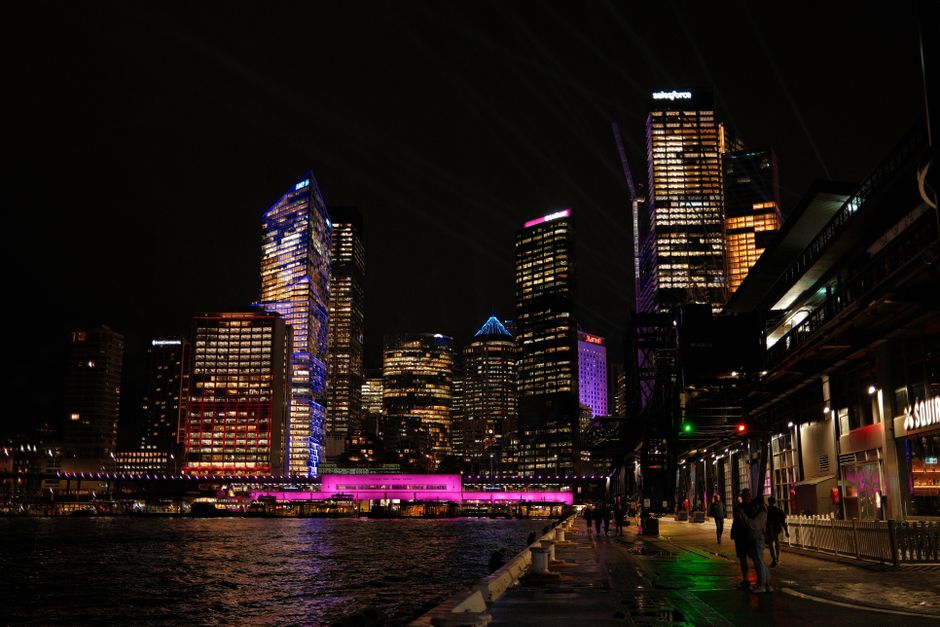
Sydney's startup ecosystem has shifted into overdrive, and the winners are becoming clear. From Redfern to Chippendale, from Ultimo to Barangaroo, a new geography of opportunity is reshaping the city's commercial real estate and venture funding landscape.
The numbers tell the story. Co-working spaces across the inner west now command premium rents—with desks in high-demand precincts like Surry Hills fetching $400 to $600 monthly, compared to $250 just three years ago. Property owners who recognised the trend early are capitalising: heritage warehouse conversions that once housed struggling galleries now pulse with startup energy, their owners locking in long-term leases with operators seeking scale.
WeWork and local competitor The Commons have expanded aggressively, but the real momentum belongs to sector-specific hubs. A thriving biotech cluster is consolidating around Alexandria, buoyed by proximity to the University of Sydney and UNSW facilities. Climate tech and fintech startups cluster densely in Barangaroo and the Rocks, where venture capital firms have established permanent bases.
Professional services firms are the other clear beneficiary. Legal, accounting and recruitment specialists positioned near major innovation precincts report surging demand from early-stage companies navigating compliance, fundraising and hiring. CBD law firms with dedicated startup practices have expanded headcount significantly.
The timing aligns with Australia's position as a global wealth hub. Yesterday's UBS data showing Australia ranks third globally for median wealth underscores local investor appetite—domestic high-net-worth individuals are increasingly committing capital to homegrown ventures rather than sending cheques overseas.
But not everyone is winning equally. Outer-ring suburbs and traditional business districts are being left behind. Parramatta's efforts to establish a rival tech precinct have stalled, while Newcastle's emerging startup scene remains marginal. Within Sydney itself, pockets of Epping and Macquarie Park, despite their tech heritage, struggle to compete against the cultural gravitational pull of inner-west locations.
For property developers with holdings in secondary inner-west suburbs, the opportunity window remains open. Affordable warehouse space in emerging precincts like Marrickville still exists, but vacancy rates are tightening. Investors who move now to secure long-term partnerships with accelerators or anchor tenants may capture significant upside as these neighbourhoods mature.
The startup ecosystem's expansion is no longer theoretical. It's physical, tangible, and reshaping Sydney's economic geography in real time. The question for investors and entrepreneurs isn't whether to join—it's whether they can still afford to wait.
This article was compiled by AI and screened before publishing. See our editorial standards.
How does this story make you feel?
Spread the word
About this article
Published by The Daily Sydney
Daily brief
Free, in your inbox before 7am. Weekdays.
More in Business