Sydney Office Market Shows Contradictory Signals as Corporations Reassess Real Estate
As major corporates reassess their real estate footprint, economic indicators are reshaping investment flows across the CBD and beyond.
As major corporates reassess their real estate footprint, economic indicators are reshaping investment flows across the CBD and beyond.
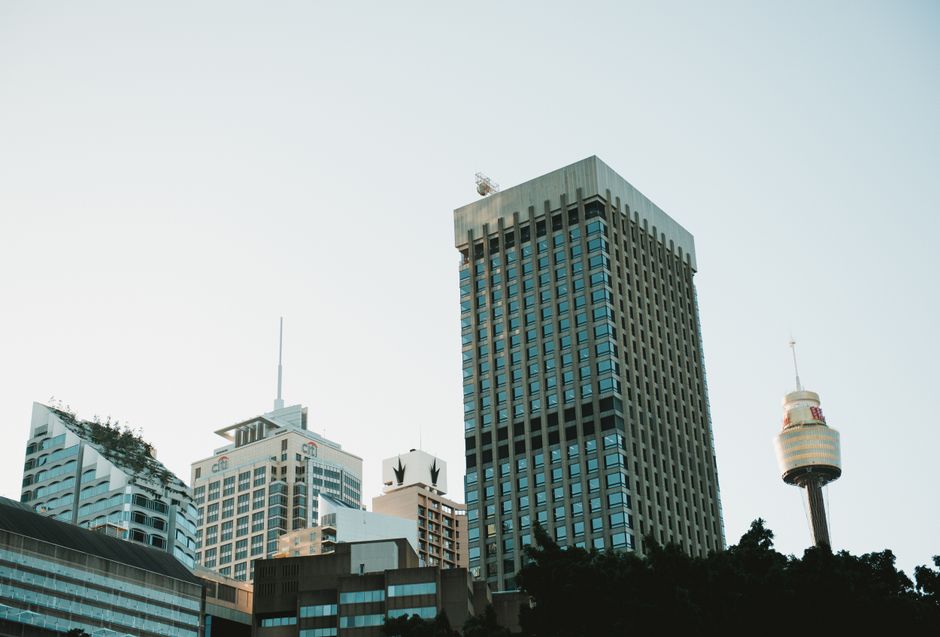
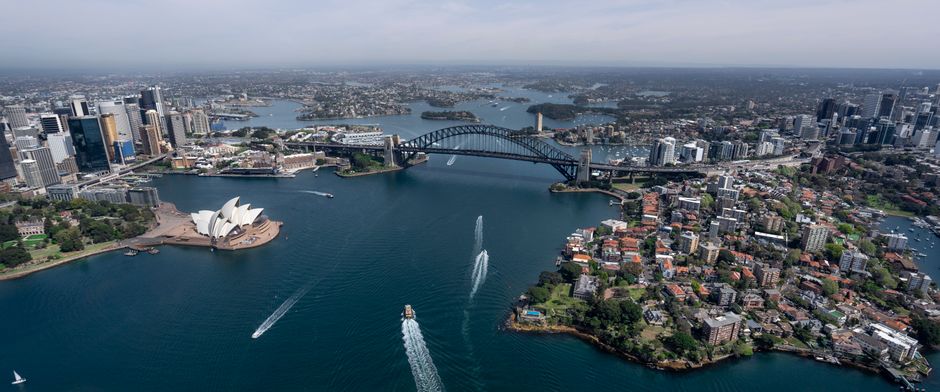
Sydney's commercial property market is at a crossroads. While headline vacancy rates remain elevated across the CBD—hovering near 12 per cent in premium office space along Pitt Street and around Circular Quay—a more nuanced picture emerges when examining where money is actually flowing.
Recent data reveals a bifurcated market. Grade-A buildings commanding rents above $800 per square metre annually are attracting institutional capital, particularly from offshore investors betting on Sydney's long-term appeal as a financial hub. Conversely, older stock in secondary locations struggles to compete, with some buildings in the Barangaroo precinct and around Wynyard Station facing extended vacancy periods as tenants gravitate toward newly refurbished spaces with superior amenities and ESG credentials.
"The real economic indicator isn't the overall vacancy rate," explains one seasoned property analyst. The metric that matters is net absorption—the volume of space actually leased versus space vacated. This figure has been negative in the CBD for eighteen consecutive months, signalling that despite new construction completing at Circular Quay and the Domain, demand hasn't kept pace.
Yet outside the traditional core, investor flows tell a different story. The Eastern Suburbs office corridor, particularly around Potts Point and Rushcutters Bay, has seen renewed interest from medium-sized professional services firms and tech companies seeking alternatives to premium CBD rents. Average asking prices in these neighbourhoods have stabilised at approximately $550 per square metre, attracting yield-focused investors.
Regulatory shifts have also altered capital allocation patterns. The introduction of mandatory climate risk disclosure for commercial property transactions is pushing institutional money toward newer buildings that meet stricter environmental standards. This regulatory tailwind has benefited developments like those emerging in Green Square, where amenity-rich spaces command premiums despite being geographically removed from the CBD.
Rising interest rates have simultaneously dampened investor enthusiasm for speculative development, with fewer new projects greenlit across Greater Sydney. Construction activity has contracted by roughly 8 per cent year-on-year according to industry tracking, suggesting capital is flowing toward acquisitions of existing assets rather than groundbreaking new ventures.
For Sydney's business community, these indicators converge on a single message: location arbitrage opportunities remain available for disciplined investors willing to target secondary zones or negotiate flexible terms in underperforming CBD buildings. However, the days of indiscriminate commercial property investment appear firmly behind us. The market now rewards specificity, timing, and a clear-eyed assessment of post-pandemic workplace demand fundamentals.
This article was compiled by AI and screened before publishing. See our editorial standards.
How does this story make you feel?
Spread the word
About this article
Published by The Daily Sydney
Daily brief
Free, in your inbox before 7am. Weekdays.
More in Business