Sydney's tourism sector is sending mixed signals to investors, and understanding those signals requires looking beyond headline visitor numbers to the actual money flowing through the economy.
The story becomes clearer when examining accommodation investment and RevPAR metrics—revenue per available room—which measure what hotels actually earn rather than just bed counts. Properties across the CBD and inner-city precincts like Barangaroo, Surry Hills, and the Rocks have seen yields fluctuate as operators balance higher nightly rates against softer occupancy periods. Mid-tier establishments on King Street in Newtown and around Central Station have proven more resilient than luxury segments, suggesting discretionary travellers remain price-conscious.
International visitor spending through June tracked at approximately $4.2 billion annually—substantial, but representing slower growth than tourism bodies initially projected in late 2025. This matters because international guests spend roughly 2.5 times more per visit than domestic travellers, making their spending patterns a crucial economic indicator.
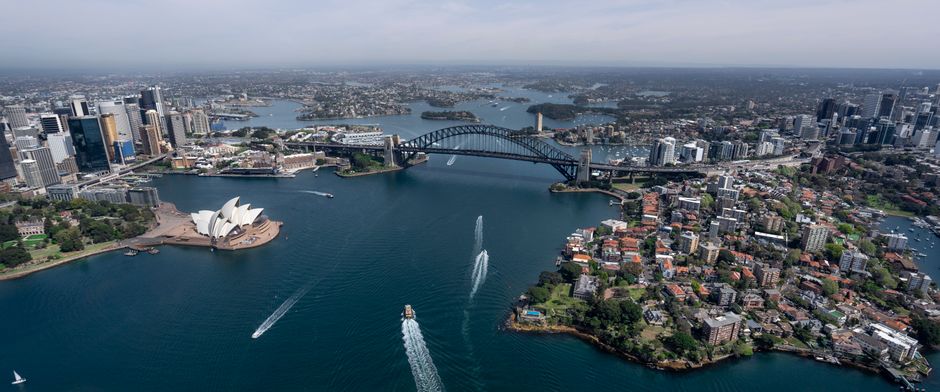
Investment flows tell the real story. Major hospitality operators have been selective rather than aggressive. While some groups have committed to renovations at established properties—particularly around Circular Quay and the Sydney Opera House precinct—greenfield hotel development has slowed markedly. Planning approvals for new accommodation along the eastern suburbs coastal corridor remain in pipeline limbo, with financiers requesting clearer demand signals before committing capital.
The hospitality workforce data provides another lens. Employment in accommodation and food services sits at approximately 156,000 across the Greater Sydney region, with wages growth in this sector lagging broader economic gains. This reflects operators managing margins carefully, particularly outside peak summer months.
What's driving caution? Currency volatility affects British and European visitor numbers—key segments for CBD luxury spending. The economic slowdown in key source markets, combined with increased competition from regional NSW destinations offering premium experiences, has fragmented Sydney's traditional visitor base. Regional properties on the Central Coast and Blue Mountains have captured a larger share of the leisure market.
Convention and business tourism—typically higher-value segments—shows more resilience. International conference attendance at ICC Sydney and major venues has recovered to near pre-pandemic levels, with corporate group spending remaining steady.
For investors watching the sector, the indicators suggest a 2026 pause before meaningful expansion resumes. The city's tourism economy isn't declining, but it's consolidating. Smart capital is targeting asset refinement over asset accumulation—investing in existing quality properties rather than building new capacity, at least until visitor trend lines clarify further into the second half of the year.
This article was compiled by AI and screened before publishing. See our editorial standards.