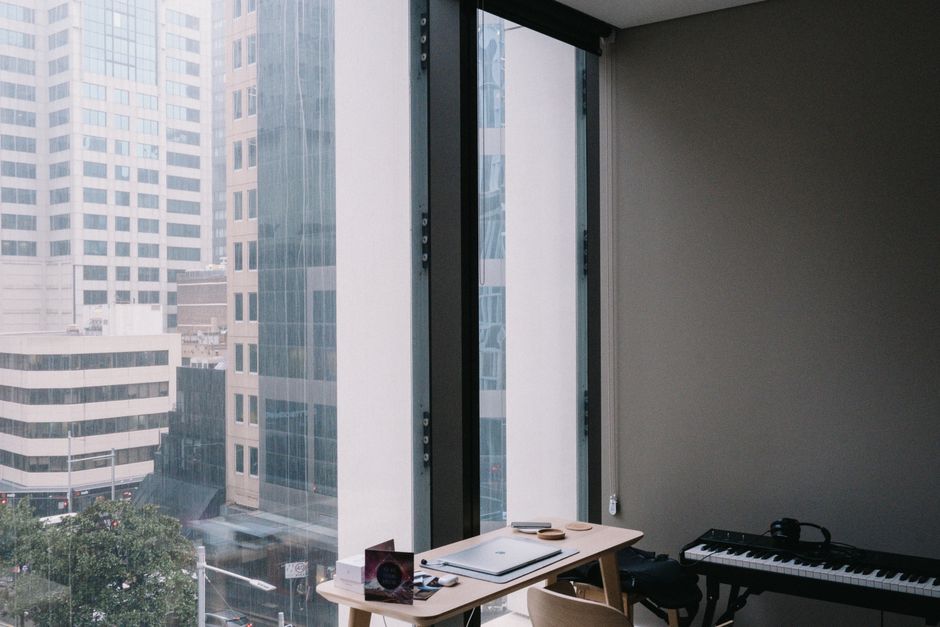
Sydney's office market has shed roughly 180,000 square metres of net effective space since mid-2023, and landlords from Barangaroo to North Sydney are still hunting for anchor tenants to fill towers that finished construction into a market nobody expected. The vacancy rate in Sydney's CBD hit 13.2 per cent in the June quarter, according to Property Council of Australia figures — the highest reading in nearly three decades. That number is no longer just a headache for fund managers. It is actively reshaping who gets hired, where they work, and what companies have to offer to get anyone through the door at all.
The timing matters. Melbourne's investor exodus following the Victorian government's land tax changes has redirected attention and capital northward, pushing more decisions about workplace footprint onto Sydney-based corporate heads at exactly the moment AI-driven productivity claims are giving CFOs ammunition to argue against large floor-plate renewals. Two pressures landing at once have compressed the decision cycle for real estate, and human resources is caught in the middle.
The Geography of the Talent Squeeze
In practical terms, the shift is visible at street level. Along George Street and around the new Metro stations at Pitt Street and Martin Place, co-working operators including WeWork's successor brands and local operator Workspace365 have expanded their footprint, marketing short-term desks directly to small professional services firms that declined to renew traditional leases when they expired in late 2025. Meanwhile, the cluster of tech and media businesses around Surry Hills and Pyrmont has thinned, with several firms consolidating back into tighter CBD suites or moving staff permanently to home-based arrangements anchored by quarterly team gatherings.
Recruitment firms operating in those zones say the physical office address has become a live negotiating variable in candidate conversations. Hays Recruitment, which runs a specialist desk out of its Sydney office on Kent Street, flagged in its June 2026 Salary Guide that 61 per cent of Sydney white-collar candidates now actively ask about commute expectations and office days before discussing remuneration. That figure was 38 per cent in the same survey two years earlier. The implication for employers trying to fill roles in accounting, project management, and technology is blunt: if your office is inconvenient or feels half-empty, you are starting the talent conversation with a strike against you.
The ripple runs deeper in the Hunter Valley, where the Minns government this week pledged a $1.2 billion train manufacturing commitment. That announcement is expected to pull skilled trades and engineering talent out of Sydney's western suburbs over the next five years, which will tighten supply for construction and infrastructure project managers already in short supply across Parramatta and the Olympic Park precinct. Employers in those corridors are being told by advisers to lock in competitive packages now, before that migration starts to bite.
What Employers Are Actually Doing About It
The pragmatic response from larger tenants has been to trade floor space for fitout quality. Commercial agents at CBRE's Pacific Highways office report that gross face rents in the CBD have softened to around $1,050 per square metre per annum for B-grade stock, but incentive packages — rent-free periods, fitout contributions — are running as high as 45 per cent on some deals. Tenants are pocketing that cash and spending it on end-of-trip facilities, better kitchen fit-outs, and acoustics, then using those upgrades explicitly in job ads. The office is being marketed as a retention tool, not just a cost line.
Smaller firms without the leverage to extract those incentives are taking a different approach. Several boutique financial advisory practices around Bligh Street have shifted to shared-floor arrangements through the law firm and accounting precinct south of Circular Quay, using the address prestige while cutting their per-person real estate cost to under $8,000 a year. Their hiring pitch leans hard on flexibility rather than a flagship lobby.
For anyone filling a Sydney role in the next six to twelve months, the practical read is this: the office address on the job ad tells you more about a company's financial position and culture than it has at any point since the 1990s. Candidates who understand that dynamic, and employers who are honest about it upfront, will navigate the current market far more cleanly than those still pretending the pre-2020 playbook applies.