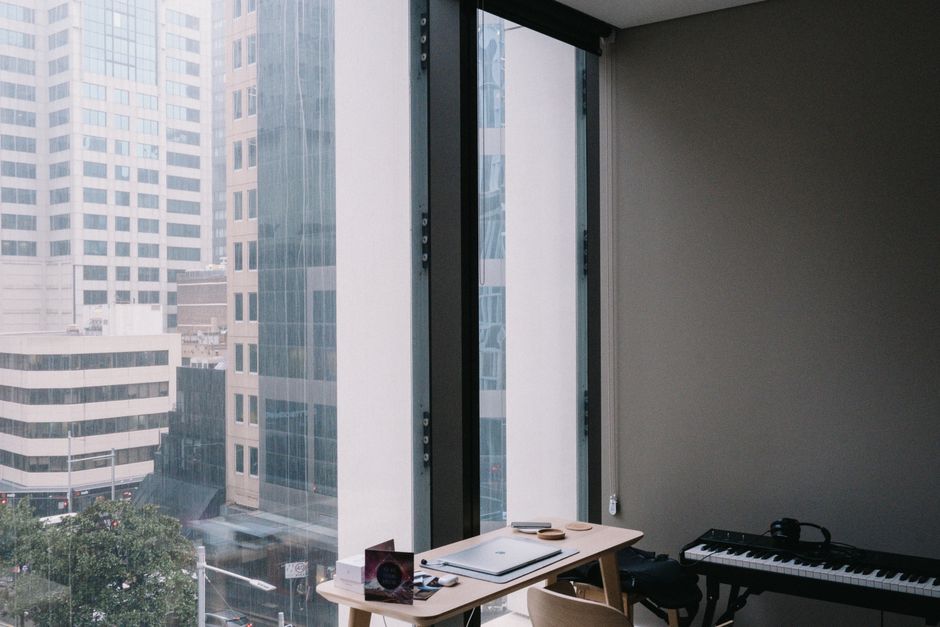
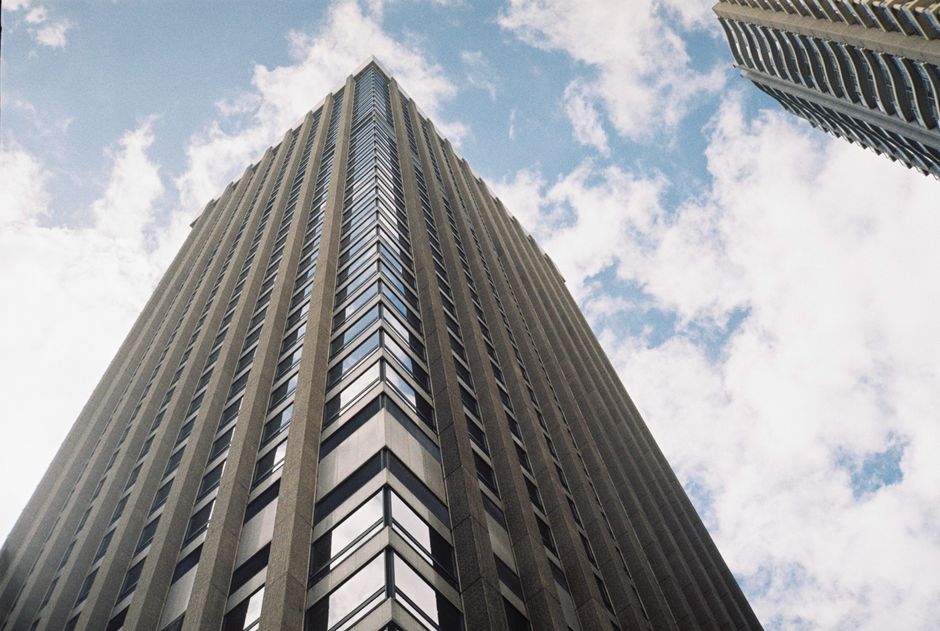
Sydney's commercial office market is cracking open an opportunity that property veterans say hasn't existed since the post-GFC shakeout of 2009 and 2010. CBD vacancy is sitting at roughly 13.8 per cent according to Property Council of Australia data for mid-2026 — a figure that looked alarming eighteen months ago but is now starting to look like a gift for tenants with cash, certainty and the nerve to commit.
The shift matters because it runs directly against the national narrative around property scarcity. Residential land is under siege — industrial sites are being swallowed by data centre developers eyeing Western Sydney corridors near Kemps Creek and Eastern Creek — yet Grade A office floors in the CBD and fringe markets are sitting dark. The landlords bleeding vacancy costs are, increasingly, willing to deal. Incentives averaging 35 to 40 per cent of gross face rent are being reported across Sydney's core, which in practical terms means fit-out contributions, rent-free periods or both.
Who Is Already Walking Through the Door
The clearest beneficiaries so far are professional services firms and technology companies that had deferred relocation decisions through the pandemic uncertainty and the subsequent interest rate cycle. Several legal and consulting practices have moved into premium refurbished stock along George Street and at Barangaroo's International Towers precinct in the past six months, sources familiar with those transactions say, locking in face rents around $1,050 to $1,150 per square metre annually while securing fitout packages that effectively bring the net cost well below $900 per square metre for five-year terms.
The Pyrmont and Ultimo fringe corridor is generating its own activity. Tech-adjacent firms priced out of the CBD premium end are finding well-appointed space in the 50,000 square metre-plus mixed precinct developments near the old ABC Ultimo building on Harris Street, where incentive packages from some building owners now rival what was available during Covid-era desperation leasing. For companies that need proximity to universities — UTS's Broadway campus sits less than ten minutes' walk — the fringe play is looking increasingly rational.
Parramatta tells a different story again. The second CBD's vacancy has eased slightly to around 11.2 per cent after the NSW Government occupancy commitments that came with the broader public sector consolidation push, and rents there — hovering between $450 and $550 per square metre net — are drawing private sector tenants who see long-term value in the infrastructure investment flowing through the area ahead of the Parramatta Light Rail Stage 2 completion.
What the Numbers Suggest About Timing
The window is not indefinitely open. JLL and CBRE have both flagged in mid-2026 research that effective rents have likely bottomed in Sydney's CBD, with net absorption turning slightly positive in the March quarter for the first time since late 2023. Several large sublease offerings that flooded the market in 2024 and 2025 — including significant tranches from financial services firms consolidating post-merger — have now been absorbed or withdrawn. When sublease supply dries up, tenant leverage tends to follow it out the door.
The $1.2 billion train manufacturing commitment Premier Chris Minns confirmed for the Hunter Valley this week is a useful comparison point: governments are making long-horizon infrastructure bets because they believe economic activity is concentrating and growing in certain corridors. Commercial tenants who reason the same way — taking a seven to ten year view on where their business needs to be located — are the ones extract maximum value from the current incentive environment.
For Sydney businesses still sitting on month-to-month holdovers or ageing leases with 2027 expiries, the practical advice from tenant advocates is consistent: commission independent rent assessments now, while genuine competing offers are still possible to construct, and approach lease negotiations with a specific fitout requirement costed before you enter the room. Landlords have budgeted for incentives in 2026; they have not necessarily budgeted for the same generosity in 2028. The arithmetic of waiting, in this market, is starting to run the wrong way.