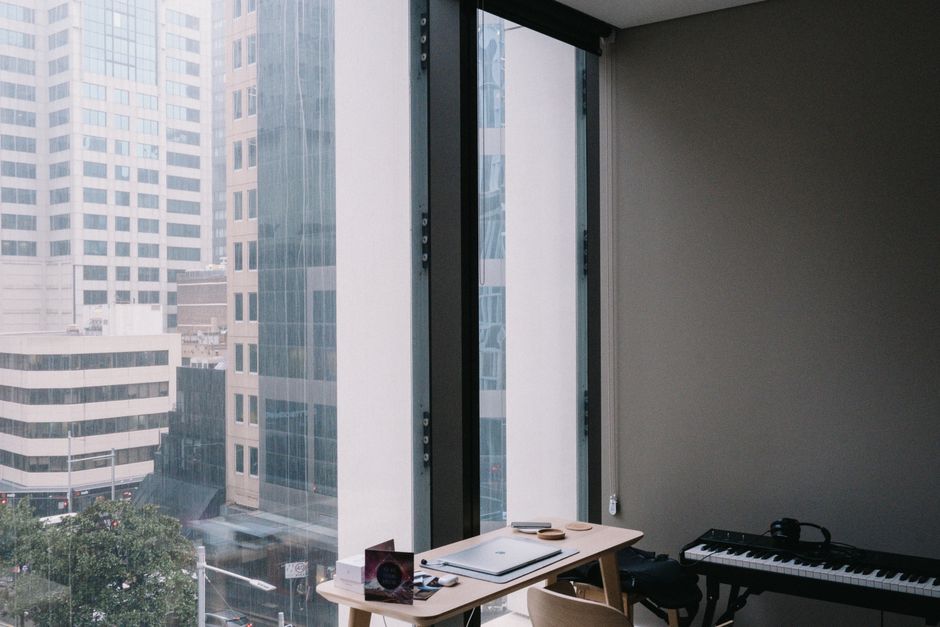
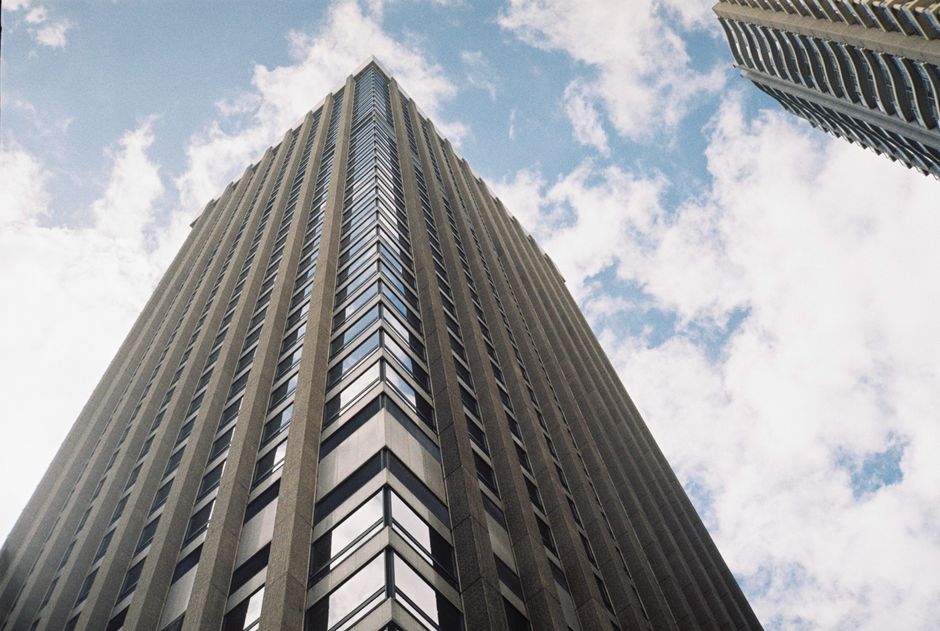
Sydney's commercial property market has hit an inflection point. Prime office space in the CBD is commanding rents above $1,400 per square metre annually for the first time in three years, while vacancy rates in older, B-grade towers along the western fringe of the city remain stuck above 18 per cent. The divergence is not a blip — it is the defining condition of the market heading into the second half of 2026, and businesses that have not yet locked in their lease positions are running out of runway.
The timing matters because several large lease expiries are converging simultaneously. A wave of five-year terms signed in the low-rent window of 2021 and early 2022 is coming due across the September and December quarters. Landlords know it. The leverage that tenants enjoyed during that period — free rent periods of up to nine months, generous fitout contributions, flexible break clauses — has largely evaporated in premium towers, even as it persists for anyone willing to accept an older address.
Where the Action Is: Martin Place to Barangaroo
The clearest signal of where demand is concentrating runs along a tight corridor from Martin Place through to Barangaroo. Brookfield Place on Carrington Street is understood to be near full occupation, and the International Towers at Barangaroo South — owned by Lendlease and the ISPT Core Fund — have seen renewed inquiry from financial services and technology firms looking to consolidate dispersed workforces into a single premium address. Midtown, the precinct clustering around the Castlereagh and Elizabeth Street spine, is also seeing competition for sub-500 square metre suites, driven largely by professional services firms and an uptick in financial advisory boutiques setting up Sydney offices.
At the other end, landlords in older stock along Kent Street and parts of North Sydney are offering effective rents that can run 30 to 40 per cent below face value once incentives are factored in. North Sydney's vacancy rate has held stubbornly high since the departure of several major tenants following the opening of the Victoria Cross metro station brought fresh competition from newly built towers. Some buildings there have been dark for eighteen months.
The AI Datacentre Effect and What It Means for Industrial Land
There is a secondary pressure building that most office tenants are not yet pricing in. Demand for industrial and logistics land across Sydney's western corridor — Erskine Park, Eastern Creek, Marsden Park — is being squeezed by a rush of AI datacentre proposals requiring large, power-dense sites. That competition is cascading into higher land costs broadly, which filters into construction and fitout pricing. The Reserve Bank flagged in its June board minutes that infrastructure demand from datacentre investment is contributing to non-tradeable inflation in the construction sector. For businesses planning major refits or relocations, the cost of physical fitout work has risen roughly 12 per cent year-on-year according to quantity surveyor indices published in May 2026.
The practical read for any business currently reviewing its accommodation strategy is straightforward. If your operation can justify a premium address — client-facing, talent-attraction driven, or brand-sensitive — move now, before the next round of expiries tightens supply further in the September quarter. The negotiating window on incentive packages for A-grade space in the CBD is narrowing. If you are a back-office or cost-driven occupier, the secondary market is the most tenant-friendly it has been in a decade, but do not assume that situation is permanent; some B-grade towers are already being eyed for residential conversion, which will reduce that supply over time.
Property advisory firm Cushman & Wakefield estimated in its mid-year review that around 47,000 square metres of secondary Sydney CBD stock is currently being assessed for conversion or refurbishment. Once that pipeline moves, the apparent glut in older buildings will look very different. Businesses that are waiting for a better deal in the secondary market may find the market moves before they do.