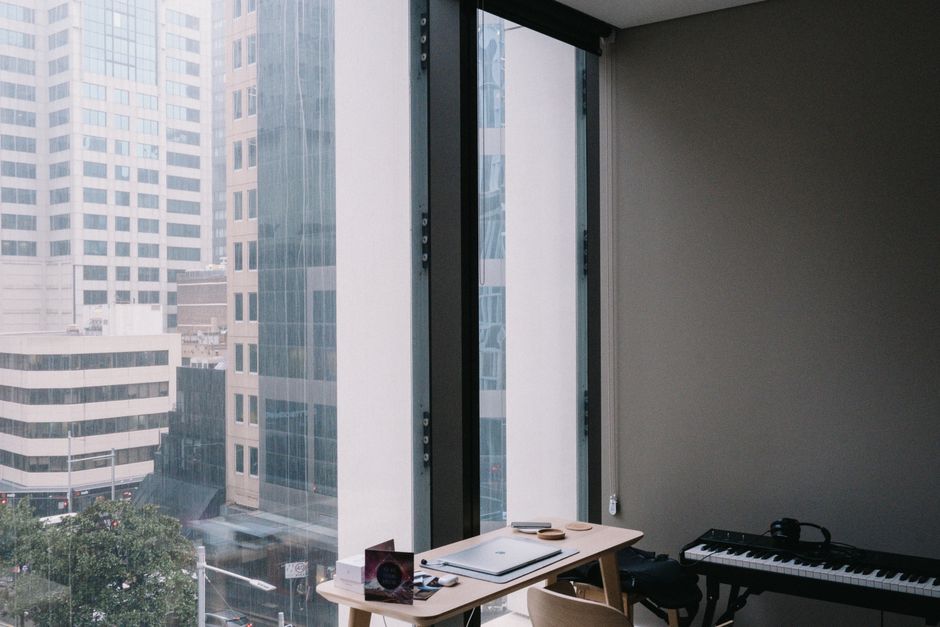
Sydney's commercial property market is entering the second half of 2026 under siege from two directions at once. Offshore institutional capital — the engine that funded much of the CBD's tower pipeline through the 2010s — has pulled back sharply, while a separate wave of AI-driven data centre demand is absorbing industrial land that commercial developers once counted on for expansion. The collision is reshaping where Sydney businesses can afford to put their people, and on what terms.
The timing matters because the market was already fragile. Melbourne's residential auction clearance rates have collapsed following the state budget's investor tax changes, and that anxiety has bled across into commercial sentiment in Sydney. Institutional fund managers who run balanced portfolios spanning residential and office assets are applying stricter return hurdles across the board. A CBD office floor in the Martin Place precinct that might have attracted a Singapore or South Korean pension fund two years ago is now sitting in due diligence far longer, or not getting there at all.
The AI Effect on Sydney's Industrial Fringe
The data centre pressure is coming from outside the traditional office market, but its knock-on effects are direct. Outer western Sydney — particularly the corridor around Kemps Creek and Eastern Creek, where zoning supports large-format industrial development — has seen land values jump roughly 35 percent since early 2024, according to figures circulating among commercial agents. That land was earmarked by several logistics and mixed-use commercial developers for projects that would have added secondary office and business park space to the market. Those projects are now stalled or repriced out of viability, because data centre operators — some linked to hyperscale cloud providers preparing for the next phase of Australian AI infrastructure build-out — are paying premiums that break the traditional industrial land model.
Experts have warned publicly in recent weeks that the data centre surge risks stoking broader inflation and crowding out land for housing. Less discussed is what it does to the supply side of commercial leasing. Fewer new business park developments in Parramatta's western catchment means tenants who might have decamped from the CBD to cheaper suburban options are finding those options thinner on the ground.
CBD Rents Hold, But the Mix is Shifting
In the Sydney CBD proper, prime gross face rents along the George Street and Pitt Street corridors are holding in the $1,100 to $1,350 per square metre per annum range for A-grade space, but incentive packages have crept up to between 30 and 38 percent for some towers north of King Street. That means tenants signing now are getting fit-out contributions and rent-free periods that effectively discount net rents to levels not seen since the post-COVID rebound of 2022. Landlords are not advertising this loudly. The headline numbers look stable; the operating economics are getting squeezed.
Brookfield's 10 Carrington Street tower and Dexus's portfolio around 1 Farrer Place are among the assets where leasing teams are working harder to fill floors vacated by financial services firms that have consolidated headcount following technology investment. The tenants replacing them are often smaller, in professional services or technology consulting, and they are negotiating hard on term length — preferring three to five year deals over the traditional ten-year anchor leases that once gave balance sheets their comfort.
For Sydney businesses making real estate decisions in the next six months, the practical reality is this: the power has shifted toward tenants in a way that may not last. If global capital sentiment stabilises — and several major US pension funds are reportedly reviewing Asia-Pacific allocations for calendar year 2027 — the incentive packages currently on offer will shrink. Companies that lock in deals before the end of 2026, particularly in B-grade buildings in Surry Hills or the southern end of the CBD around Ultimo, stand to secure space at rates that looked impossible eighteen months ago. The window is real, but it won't stay open indefinitely.