Sydney Businesses Face a Tightening Squeeze as Investors Retreat and Costs Bite
From Parramatta to Pyrmont, the signals are converging: capital is repricing risk, consumers are pulling back, and the window for easy money is closing fast.
From Parramatta to Pyrmont, the signals are converging: capital is repricing risk, consumers are pulling back, and the window for easy money is closing fast.
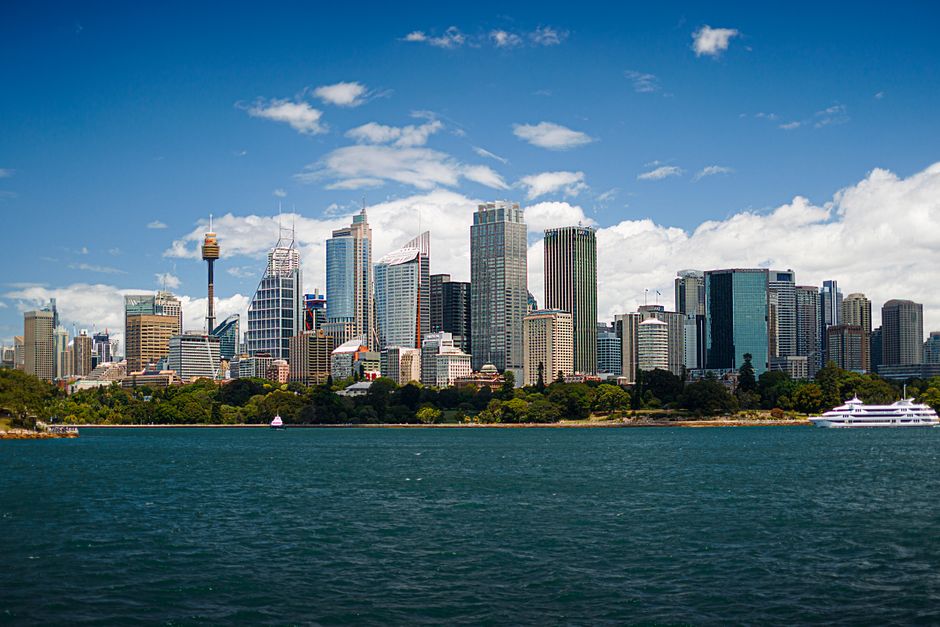
Property investors are pulling out of the eastern seaboard's major markets at a pace not seen since the post-pandemic rate shock, and Sydney's business community is feeling the downstream effects in ways that go well beyond auction clearance rates. For companies that depend on discretionary spending, foot traffic, or commercial tenancy pipelines, the shift is already showing up in the numbers.
The timing matters enormously. The Reserve Bank of Australia held the cash rate at 3.85 percent at its June meeting, but traders on the ASX 30-Day Interbank Cash Rate Futures market have been pricing in a further cut before the end of the September quarter. That expectation is doing something unusual — it is suppressing commercial borrowing appetite rather than stimulating it, because business owners are waiting for the cut to materialise before committing to expansion finance. The result is a kind of suspended animation in the mid-market: deals are discussed, term sheets are drafted, and then nothing happens.
Melbourne's residential investor exodus has been the loudest story this week, but Sydney is not insulated. In the inner-west suburb of Marrickville, landlords along Illawarra Road who bought mixed-use properties at sub-4 percent yields in 2021 are now staring at debt service costs that exceed rental income on residential components. Several have begun quietly testing the market for partial sales. Commercial rents in the Parramatta CBD, where average gross face rents sit around $650 per square metre annually according to JLL's second-quarter data, have held nominally but incentive packages — rent-free periods, fit-out contributions — have blown out to levels that make the headline figure largely academic.
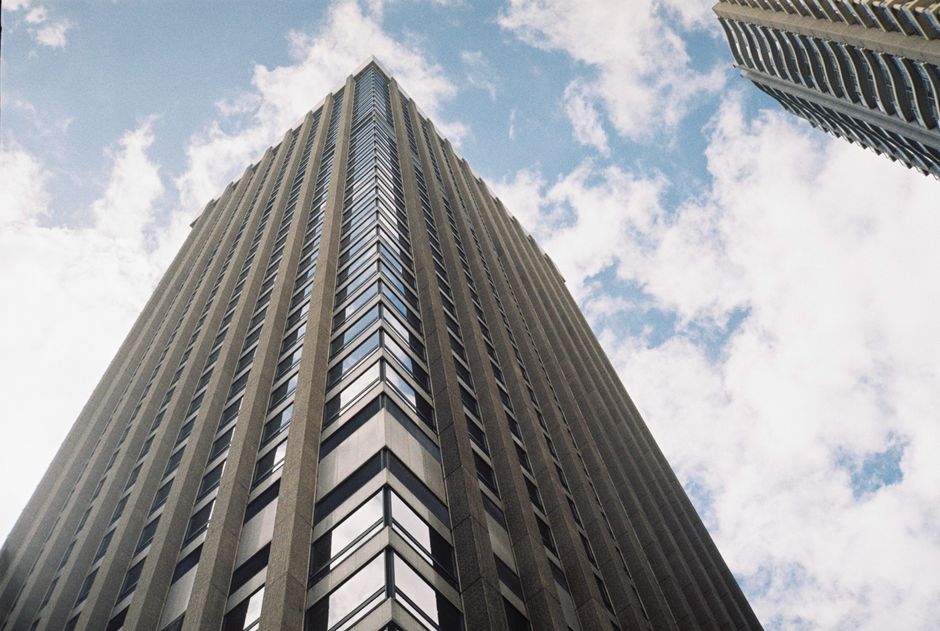
The Sydney CBD itself tells a more layered story. Office vacancy in the core market sits at approximately 12.4 percent as at June 2026, according to Property Council of Australia figures. That vacancy number conceals a bifurcation: premium-grade towers on Martin Place and in the Barangaroo precinct are being absorbed steadily by financial services and technology tenants, while B-grade stock along Sussex Street and towards Darling Harbour is struggling to attract or retain occupiers. Businesses locked into leases on the wrong side of that divide are facing a choice between costly fitout upgrades or accepting that talent recruitment will suffer when staff compare their office to a competitor's.
Separately, the race to build artificial intelligence datacentres is creating a new pressure on industrial land pricing across the Greater Sydney basin, particularly in the Western Sydney corridor between Kemps Creek and Eastern Creek. Logistics and warehousing operators who signed leases expecting stable outgoings are now competing against hyperscale infrastructure developers willing to pay land prices that simply rebase expectations for the entire precinct. The Western Sydney Investment Attraction Office, a body established under the NSW government's Western Parkland City Authority, has fielded a significant increase in international inquiries since late 2025, and that activity is translating directly into land value uplift that smaller manufacturers and distributors cannot absorb.
For businesses planning capital expenditure in the second half of 2026, three things are worth tracking closely. First, the RBA's August 5 board meeting will either crystallise or delay the anticipated rate cut, and the language in the accompanying statement will matter as much as the decision itself. Second, the NSW government's $1.2 billion commitment to train manufacturing in the Hunter region signals that public procurement is being deployed as an economic stabiliser — businesses in advanced manufacturing and supply chain services should be mapping their exposure to that pipeline now, through Infrastructure NSW's supplier engagement programs. Third, the rolling impact of Meta's mass account removals is not just a social media story; small and medium Sydney businesses that relied heavily on influencer marketing through third-party creator accounts are reporting disrupted campaign performance and are being forced to rebuild audience relationships from scratch, adding an unbudgeted cost line heading into the spring retail season.
The businesses that come through this period in the strongest position will be those that locked in fixed-rate financing before the current uncertainty, diversified their customer acquisition away from a single platform, and resisted the temptation to sign long commercial leases on B-grade space at nominally reduced rents. The market is not broken. It is repricing. Those are very different things, and the distinction will define who is still trading on Martin Place in 2028.
How does this story make you feel?
Spread the word
About this article
Published by The Daily Sydney
Daily brief
Free, in your inbox before 7am. Weekdays.
More in Business