Sydney's Office Market Is Splitting in Two — Here's What Businesses Need to Know Right Now
Premium CBD towers are filling up while secondary stock languishes, and the gap between the two is widening faster than at any point since the pandemic.
Premium CBD towers are filling up while secondary stock languishes, and the gap between the two is widening faster than at any point since the pandemic.
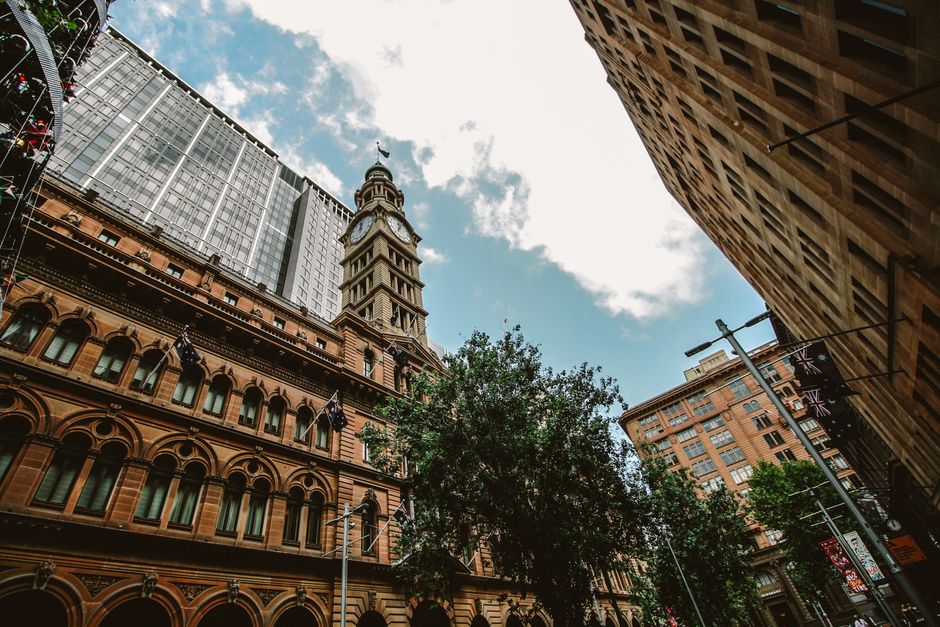
Sydney's commercial property market has entered a two-speed cycle that is reshaping leasing decisions across the city. Premium-grade office space in the core CBD is tightening, with effective rents for top-tier floors on Martin Place and Pitt Street climbing roughly 8 percent over the past 12 months, according to figures from the Property Council of Australia's June 2026 office market report. Meanwhile, B-grade and C-grade stock — particularly in fringe markets like North Sydney and Parramatta — is sitting at vacancy rates above 20 percent, with landlords offering fitout incentives worth up to 30 percent of headline rent just to secure tenants.
This divergence matters right now because a wave of lease expiries is hitting the market. A significant volume of five- and seven-year leases signed in the low-rate environment of 2019 to 2021 are rolling off through the second half of 2026 and into 2027. Businesses that signed at a certain floor price and a certain location are being forced to make a decision: upgrade to premium, double down on hybrid and shrink their footprint, or exit the CBD altogether. The choice is being complicated by the fact that AI-driven demand for industrial land — flagged by economists this week as a potential inflation driver — is squeezing the outer suburban commercial land that some companies had eyed as a cheaper alternative.
Vacancy in Sydney's core CBD sat at 11.2 percent as of the June 2026 Property Council survey, a figure that looks manageable in aggregate but obscures the bifurcation. Strip out Premium and A-grade towers and the vacancy rate in those cohorts alone is closer to 6 percent — effectively full, given churn. The Salesforce Tower at 180 George Street is essentially spoken for through to 2030. Quay Quarter Tower on Alfred Street, Circular Quay, has not had a meaningful vacant floor advertised since mid-2025.
North Sydney tells a different story. The suburb lost ANZ's back-office operations and several mid-tier professional services firms to consolidated CBD footprints over the past two years. The Metro station opening in late 2024 was supposed to trigger a leasing renaissance on Miller Street, and while foot traffic has improved, whole floors in several buildings along Pacific Highway remain unlet heading into the new financial year. Asking rents there have dropped to around $650 per square metre net in some buildings, against $1,100 to $1,400 per square metre for comparable premium CBD space.
Parramatta Square, the $3.5 billion development that the NSW Government anchored with public sector tenants, has fared better than the broader western CBD fringe. But private sector demand there remains soft, and at least two medium-sized professional services firms that had shortlisted Parramatta for a 2026 move have quietly shelved the decision pending clarity on hybrid work policy.
The practical implication is straightforward: businesses with leases expiring before December 2027 should be in the market now, not in six months. The window for negotiating meaningful incentive packages on premium stock is closing as supply tightens. Tenant advisory firms working across the Sydney CBD have been telling clients since the March quarter that landlords in the top tier are pulling back on free rent periods, which were running at 12 to 18 months during the 2022 and 2023 downturn.
For businesses willing to consider secondary locations, the leverage is still substantial — but the calculus needs to include staff retention and talent acquisition costs. Several Sydney law firms and financial services companies that relocated to sub-premium stock during the pandemic have reported difficulty attracting senior hires who expect a Martin Place or George Street address.
The one wildcard nobody has fully priced in is the AI data centre land grab. Industrial precincts in Macquarie Park and Alexandria — which have historically absorbed tech-sector office spillover — are being snapped up for data centre conversion, further constraining the alternatives available to businesses hunting for affordable large-format space inside the ring road. That supply pressure is not going away before 2028 at the earliest. Companies making real estate decisions today are essentially betting on a market that will be tighter, not looser, by the time their new lease begins.
How does this story make you feel?
Spread the word
About this article
Published by The Daily Sydney
Daily brief
Free, in your inbox before 7am. Weekdays.
More in Business